
Description
Product Overview
Cement clinker is the semi-finished, granular material produced by sintering limestone and aluminosilicate at 1,450°C, forming the essential binding agent for Portland cement. It is primarily used by cement grinding plants and integrated cement manufacturers to produce finished cement for construction, infrastructure, and oil well projects. Its key value proposition lies in delivering consistent hydraulic reactivity and compressive strength, enabling lower energy consumption during grinding. Strategically, it underpins global concrete supply chains, where clinker quality directly determines final cement performance and project lifecycle costs.
Key Specifications & Technical Characteristics
-
Chemical composition: 60–67% CaO, 18–24% SiO₂, 4–8% Al₂O₃, 2–6% Fe₂O₃; free lime <2%
-
Mineral phases: C₃S (55–65%), C₂S (15–20%), C₃A (6–10%), C₄AF (8–12%)
-
Grade: Ordinary Portland Cement clinker (CEM I, 52.5N equivalent)
-
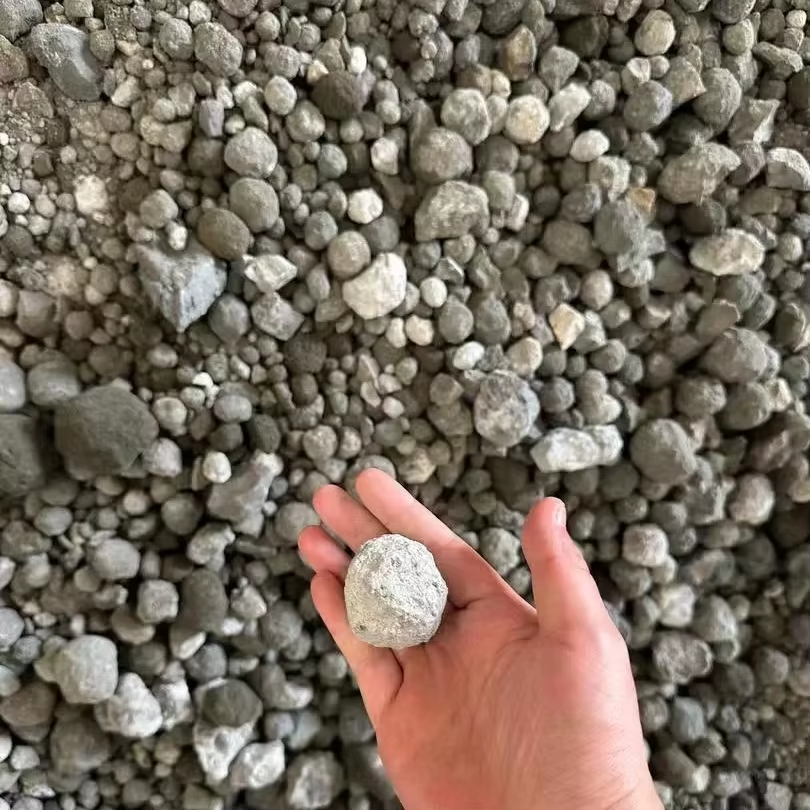
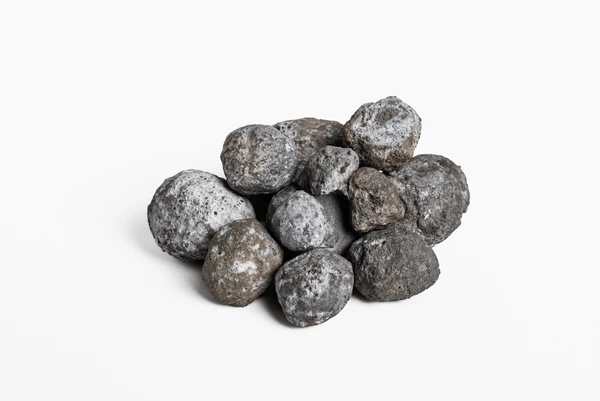
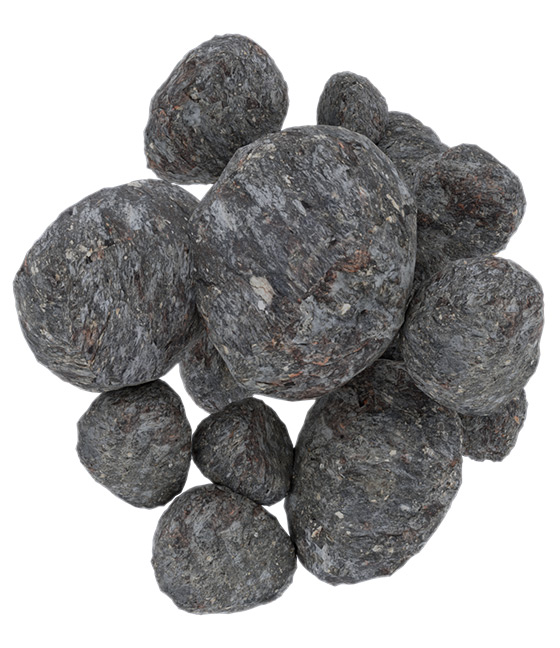
Physical form: Nodules, 5–25 mm diameter; dark grey to black; bulk density 1.2–1.5 t/m³
-
Packaging: Bulk only – shipped loose in vessel holds or 1.5–2.0 MT big bags upon request
-
Shelf life: 6 months in dry storage; degradation begins with moisture exposure (>0.5% humidity)
Core Industrial Applications
-
Primary industries: Cement manufacturing, ready-mix concrete production, precast concrete elements, road construction, oil well cementing
-
Operational use cases: Grinding with gypsum to produce Portland cement; blending with slag, fly ash, or pozzolans for composite cements; export to markets lacking kiln capacity
-
Performance advantage: Uniform nodule size reduces mill retention time by 8–12% vs. substandard clinker, lowering grinding energy by 5–7 kWh/ton
-
Cost efficiency: Higher C₃S content accelerates early strength gain (≥20 MPa at 2 days), reducing cement blending costs and curing times for contractors
Competitive Advantages
-
Quality consistency: ISO 9001-certified process with real-time XRF/XRD monitoring; inter‑lot variation <2% for key oxides
-
Supply reliability: Dedicated 50,000 MT silo buffer and year‑round production (two kiln lines, 98% uptime)
-
Logistics capability: FOB or CIF terms from major bulk ports; vessel loading at 8,000–10,000 MT/day
-
Price competitiveness: Direct without trader markups; long‑term contracts indexed to coal and freight with price caps
-
Sustainability: Up to 8% alternative fuel substitution in kiln; reduced clinker factor enabled for buyers seeking lower CO₂ cement
-
Technical support: On‑site mill trials, petrographic analysis, and formulation recommendations by cement engineers
Commercial & Supply Information
-
Minimum order quantity (MOQ): 20,000 MT (bulk)
-
Loading capacity: 25–28 MT per 20‑foot container (big bags) or 50,000–60,000 MT per Handysize vessel


Reviews
There are no reviews yet.