
Description
-
Product Overview
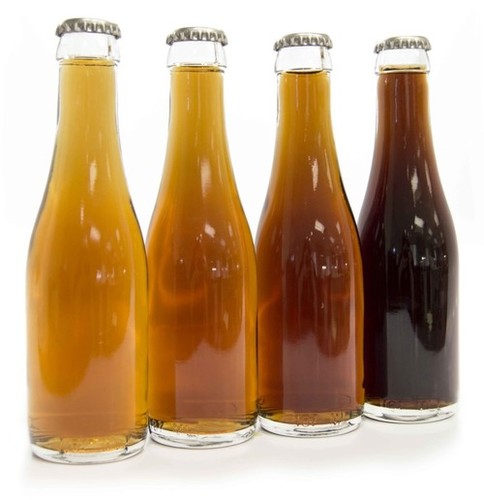
Caramel Color Class IV (E150d) is a water-soluble, high-stability caramel coloring agent produced by controlled thermal treatment of carbohydrates in the presence of ammonia and sulfite. It is used principally as a colorant and appearance modifier in large-scale food, beverage, and industrial formulations where deep brown to black hues and excellent pH and heat stability are required. The product delivers consistent, reproducible color strength with minimal flavor impact and robust performance under thermal processing and variable pH conditions. For manufacturers and ingredient formulators, Caramel Color Class IV is strategically important because it reduces formulation risk, simplifies color standardization across production runs, and supports compliance with international food additive regulations.
-
Key Specifications & Technical Characteristics
-
Chemical class: Ammonia–sulfite processed caramel (Caramel Color Class IV, E150d).
-
Typical composition: Complex mixture of condensed carbohydrate-derived polymers, low residual ammonia and sulfite levels, trace inorganic salts.
-
Solubility: Fully water-soluble; disperses readily at processed temperatures.
-
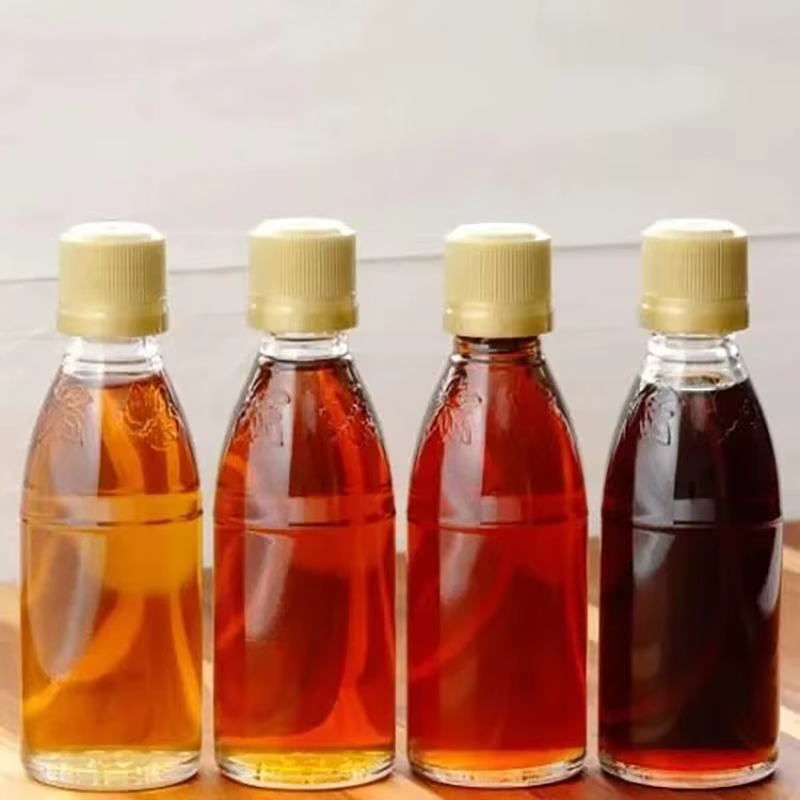
Appearance: Dark brown to black liquid or solid (depending on grade supplied), homogeneous, free-flowing when dried.
-
Physical form options: Liquid syrup (typical °Brix specified on request) or spray-dried powder.
-
Color strength: Batch-specific color units (Lovibond/ABS units or spectrophotometric values) provided with each Certificate of Analysis.
-
pH stability range: Stable across wide pH (approx. pH 2–8) with documented retention of color in acidic soft drinks and alkaline processes.
-
Thermal stability: High resistance to color degradation under pasteurization and retorting conditions.
-
Solids content (liquid grades): Customizable; typical range available on request.
-
Particle size (powder grade): Controlled to ensure rapid rehydration; specification provided per lot.
-
Purity/grade: Food-grade / industrial food additive grade (compliant with E150d standards and major regulatory frameworks; certificate of conformity available).
-
Heavy metals and contaminants: Supplied with test reports for lead, arsenic, cadmium, mercury; meets regulatory thresholds.
-
Microbiological limits: Meets industry specifications for food additives; low microbial load guaranteed for food-grade batches.
-
Packaging options: IBCs/drums for liquid (200–1000 L), food-grade flexitanks for bulk liquid, 25 kg or 50 lb kraft/poly bags for powder, and 20 MT Bulk shipments (containerized).
-
Shelf life: Liquid grades typically 12–24 months under sealed, cool storage; powdered grades 24 months when stored dry; specific stability data provided for qualifying lots.
-
Core Industrial Applications
-
Non‑alcoholic beverages: Coloring cola, root beer, malt beverages, and ready-to-drink teas; maintains hue under acidic, carbonated, and pasteurization conditions.
-
Food processing: Bakery glazes, sauces, confectionery coatings, syrups, and processed foods requiring uniform dark coloration without off-flavor.
-
Brewing & malt products: Standardized color contribution in beer and malt extracts while preserving flavor profile.
-
Condiments & sauces: Provides consistent color in soy-based sauces, barbecue sauces, and dressings; compatible with high‑salt matrices.
-
Pet food and animal feed: Visual appeal in wet and dry formulations where heat stability is required.
-
Industrial/technical uses: Dyeing and masking applications in select non-food industrial formulations where E150d is accepted.
Why it performs better: Class IV caramel provides superior thermal and pH stability versus simpler caramel classes and many natural color alternatives, reducing rework and batch-to-batch variability. Its high color strength and solubility lower required addition rates, improving cost-in-use and minimizing impact on flavor and viscosity.
-
Competitive Advantages
-
Quality consistency: Manufactured under controlled, reproducible processing with per-batch analytical data and Certificates of Analysis.
-
Supply reliability: Capacity-planned production, strategic inventory positioning, and contract manufacturing options to support continuous supply for large-scale operations.
-
Logistics capability: Flexible packaging and container-loading options (IBC, drums, 20 MT bulk) and coordination for FCL/LCL shipments; export documentation and HACCP/food-safety paperwork provided.
-
Price competitiveness: High color potency reduces dosage and effective cost-in-use versus lower-strength alternatives; volume pricing and long-term supply contracts available.
-
Regulatory compliance: Formulation and documentation aligned with E150d classifications and common international food additive regulations; allergen-free declaration available.
-
Sustainability considerations: Process optimization to minimize waste streams and controlled use of reagents; supplier can provide data on energy use and waste management on request.
-
Technical support: Application guidance, stability testing, and formulation assistance provided by experienced technical service teams; tailored trials and sample programs available.
-
Commercial & Supply Information
-
Minimum order quantity (MOQ): BULK 20MT.
-
Typical container loading (bulk): Up to 20 MT per 20-foot container (bulk-packed/palletized depending on packaging choice); liquid flexitank and IBC consolidation options available—contact for confirmation by trade lane.
-
Lead times: Production lead times provided on request and vary by order size and current commitments; priority allocation available for contract customers.
-
Documentation: Certificate of Analysis, Material Safety Data Sheet (MSDS/SDS), Food Safety and Regulatory Compliance documents supplied with shipment.
Reviews
There are no reviews yet.