
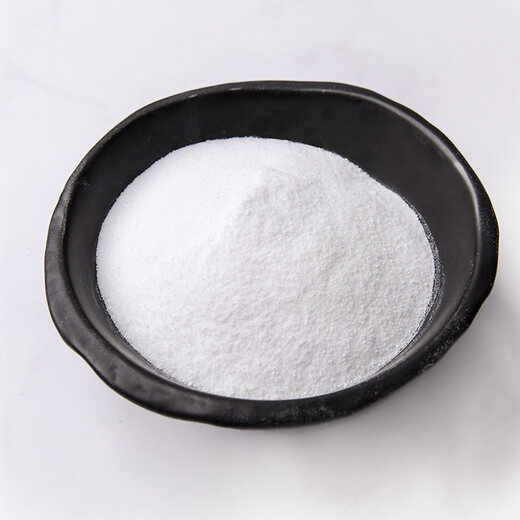
Description
-
Product Overview
Carbon Dioxide Food Grade (E290) is a high-purity gaseous CO2 produced and certified to meet food-grade specifications for direct and indirect contact with food and beverages. It is used primarily as a carbonation and preservative gas, pH control agent, and inerting/blanketing medium across food & beverage, beverage bottling, cold-chain packaging, and certain pharmaceutical processes. The key value proposition is consistent, certified purity combined with robust supply logistics that minimize production downtime and ensure product safety and regulatory compliance. Strategically, food-grade CO2 is a commodity critical to beverage producers, food processors, and cold-chain operators where gas quality, traceability, and uninterrupted availability directly impact product quality, yield, and regulatory risk. -
Key Specifications & Technical Characteristics
-
Chemical composition: Carbon dioxide (CO2) ≥99.9% by volume.
-
Impurities: Meets food-grade limits for oxygen, nitrogen, hydrocarbons, sulfur compounds, and heavy metals per applicable food safety standards.
-
Purity level / grade: Food Grade (E290) certified to recognized standards (e.g., European Food Safety Authority / local food safety regulators).
-
Physical characteristics: Colorless, odorless gas at ambient conditions; critical point 31.1 °C, 73.8 bar; liquefiable under pressure; specific gravity (gas relative to air) ~1.52.
-
Phase availability: Supplied as compressed gas or refrigerated liquid (bulk or ISO tank), vaporized for on-site use as required.
-
Water content: Controlled to specification limits for food-grade use.
-
Packaging options:
-
Cylinder supply (various sizes, industry-standard valves), for small-scale or lab operations.
-
Micro-bulk tanks (1–5 MT) for medium users.
-
ISO tank / cryogenic tanker bulk liquid deliveries for high-volume customers.
-
On-site liquefaction or nitrogen-blended solutions available upon contract.
-
-
Storage and handling: Store in well-ventilated area, away from ignition sources; pressure-rated vessels; adhere to local transport regulations.
-
Shelf life: Indefinite under sealed, pressure-rated storage; quality retained when stored per specifications and sealed packaging.
-
Core Industrial Applications
-
Beverage carbonation: Primary use in soft drinks, sparkling water, beer, and other carbonated beverages for consistent effervescence and mouthfeel; performs reliably versus on-site generated low-purity gases due to minimized taste and odor impact.
-
Food preservation and modified atmosphere packaging (MAP): Used to extend shelf life of fresh produce, meat, and bakery products by displacing oxygen and inhibiting aerobic spoilage organisms; superior to cheaper, uncontrolled gas blends because of certified purity and traceability.
-
Cold-chain and cryogenic cooling: Employed in blast freezing and refrigerated transport as inerting agent; reduces oxidative spoilage and maintains product integrity during distribution.
-
Inerting and blanketing: Protects reactive food ingredients and pharmaceutical intermediates from oxidation during mixing, storage, and packaging; more effective and cost-efficient than specialty inert gases when CO2-specific properties are required.
-
pH control and process optimization: Used in beverage formulation and certain fermentation controls to regulate acidity and product consistency; provides stable process performance compared to ad-hoc CO2 sources.
-
Competitive Advantages
-
Quality consistency: Batch traceability and certificate of analysis for every shipment ensure compliance with food safety audits and supplier qualification processes.
-
Supply reliability: Multiple fill locations and scheduled bulk logistics reduce stockout risk; contingency inventory and contracted tanker capacity for peak seasons.
-
Logistics capability: Flexible delivery modes (cylinder, micro-bulk, ISO tank, tanker) and coordinated last-mile service for industrial sites and bottling lines.
-
Price competitiveness: Scalable pricing with volume discounts and contract rates for long-term purchasers; lower total cost of ownership via reduced waste and process interruptions.
-
Sustainability benefits: Options for CO2 recovered from industrial capture streams (subject to certification), enabling lower Scope 3 impact for customers focused on emissions reporting.
-
Technical support: Full technical documentation (COA, SDS, handling guidelines), application support for dosing/carbonation systems, and supply-chain collaboration for inventory management.
-
Commercial & Supply Information
-
Minimum order quantity (MOQ): BULK 20 MT.
-
Loading capacity (MT per container): Typical ISO tank loading capacity 20–24 MT (dependent on tank specifications and regional regulations).

Reviews
There are no reviews yet.