
Description
-
Product Overview
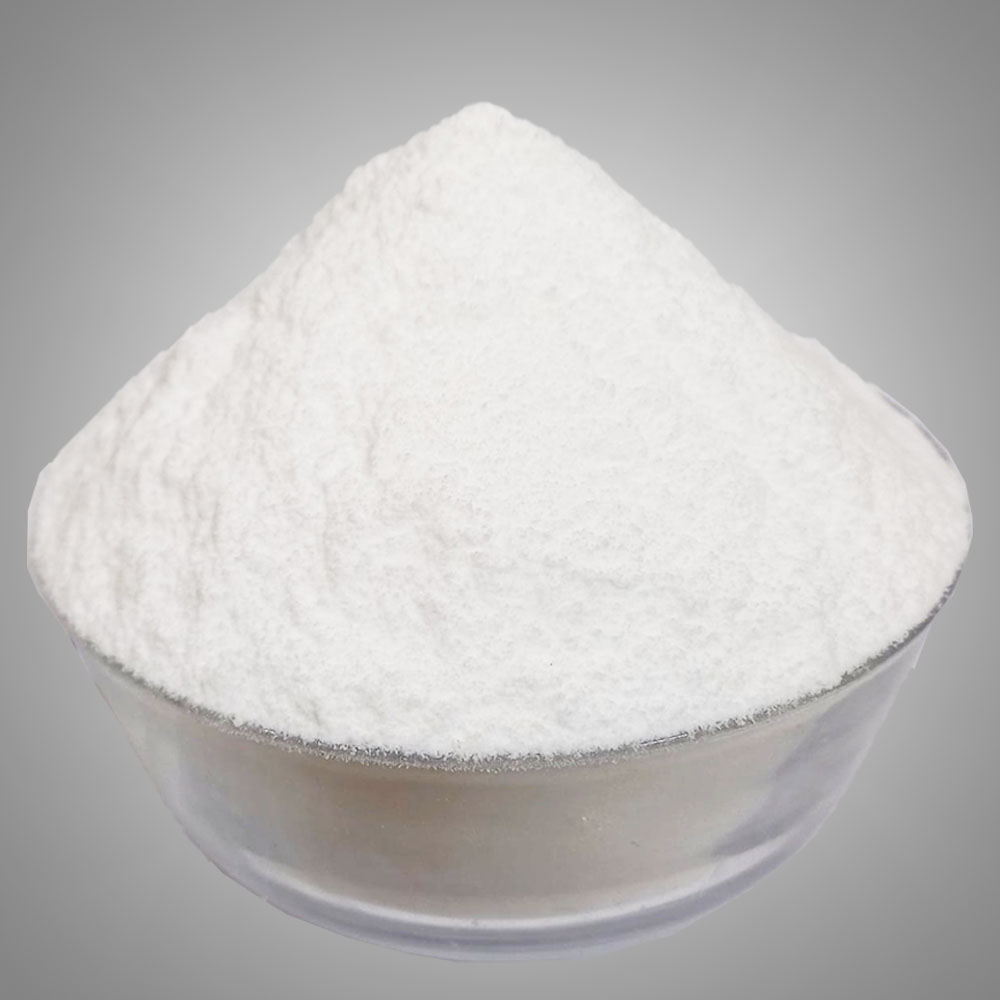
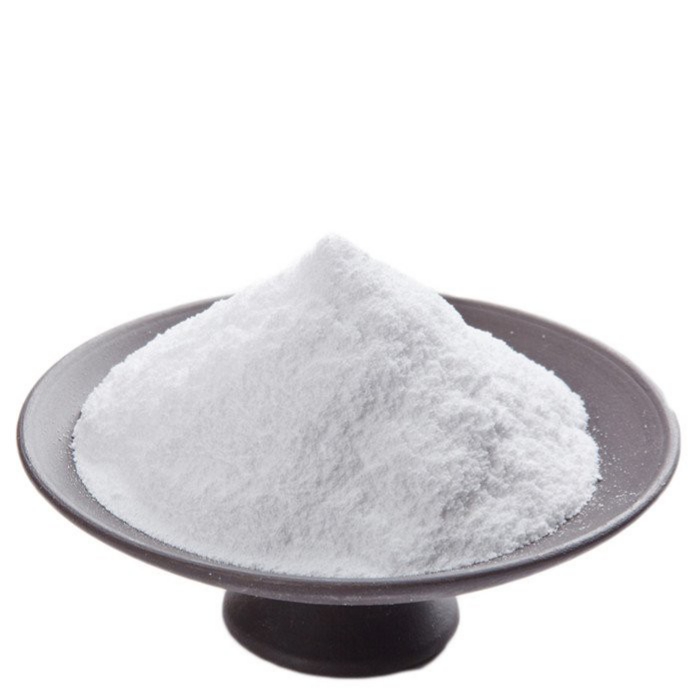
Sodium Bicarbonate (E500) is a high-purity, industrial-grade alkaline salt widely used across chemical, food, pharmaceutical, and environmental industries. Primarily employed as a pH regulator, neutralizing agent, buffering component, and mild abrasive, it provides predictable, safe alkalinity control in large-scale processes. The product delivers consistent performance, easy handling, and cost-efficient dosing — reducing process variability and downstream treatment costs. Strategically, Sodium Bicarbonate (E500) is a low-risk, high-utility raw material that supports regulatory compliance, process stability, and scalable supply for industrial buyers.
-
Key Specifications & Technical Characteristics
-
Chemical composition: Sodium hydrogen carbonate (NaHCO3).
-
Grade: Food-grade/technical (E500 designation); batch-certified for industrial use.
-
Purity: Typical assay ≥ 99.2% NaHCO3 (specifiable per contract).
-
Major impurities: Typical limits on NaCl, Na2CO3, insolubles, heavy metals (available in COA).
-
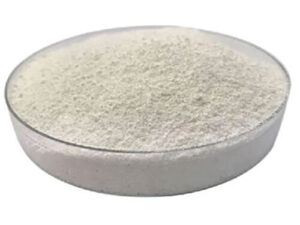
Physical form: Fine to granulated crystalline powder; free-flowing.
-
Color: White to off-white.
-
Particle size: Typical D50 range 50–250 µm (custom milling available).
-
Bulk density: Approx. 600–800 kg/m3 (tamped and untamped values available).
-
Solubility: ~9.6 g/100 mL water at 20°C (for dosing calculations).
-
pH (1% aqueous): ~8.3–8.5 (buffering characteristics noted).
-
Moisture content: Controlled to customer specification, typically <0.5% w/w.
-
Packaging options:
-
25 kg polyethylene-lined multiwall paper bags, palletized (T1).
-
500–1000 kg bulk bags (FIBC), heat-sealed liner options (T2).
-
Loose bulk for ISO tank / pneumatic tanker loading (subject to logistics).
-
-
Shelf life: Stable under dry storage; recommended use within 24 months when stored <30°C and protected from humidity.
-
Documentation: Certificate of Analysis (COA), Safety Data Sheet (SDS), GMP/food-contact statements available upon request.
-
Core Industrial Applications
-
Water & Wastewater Treatment: pH correction and buffering in municipal and industrial systems; effective, safer alternative to caustic soda for neutralization and odor control.
-
Flue Gas Treatment & Emissions Control: Dry/wet scrubbing of acid gases (SO2, HCl) where predictable alkalinity and low risk of over-alkalinization are required.
-
Chemical Manufacturing: Intermediate for carbonate/bicarbonate chemistries, neutralization in syntheses, and controlled-release alkalinity in batch processes.
-
Food & Beverage: Leavening agent, acidity regulator, and processing aid in baked goods and beverage formulations (when food-grade E500 is specified).
-
Pharmaceutical & Personal Care: pH adjustment in formulations, effervescent products, and mild abrasive cleaning agents; compatible with GMP workflows.
-
Mining & Metallurgy: Ore flotation pH control, reagent buffering, and dust suppression where soluble, low-toxicity alkalinity is needed.
-
Detergents & Cleaners: Formulation ingredient providing mild alkalinity and buffering, improving cleaning performance while minimizing corrosion.
Why it outperforms alternatives: -
Safety: Lower handling risk and corrosivity vs. sodium hydroxide or potassium hydroxide.
-
Cost-efficiency: Competitive bulk price per unit alkalinity with reduced need for corrosion-resistant equipment.
-
Process control: Predictable buffering capacity reduces titration variability and waste treatment load.
-
Competitive Advantages
-
Quality consistency: Tight in-house QC with per-batch COAs ensures assay and impurity repeatability for regulated supply chains.
-
Supply reliability: Secure manufacturing sources and multi-origin procurement minimize disruption risk; scalable production to meet large contracts.
-
Logistics capability: Flexible packaging (bags, FIBC, bulk) and bulk-loading options support containerized or bulk tanker shipments; local warehousing options for JIT delivery.
-
Price competitiveness: Economies of scale for 20 MT+ bulk orders reduce landed cost; transparent pricing models for long-term contracts.
-
Sustainability: Inert, non-toxic profile with options for manufacturing from low-carbon process streams; recyclable packaging options available.
-
Technical support: Application guidance, dosing calculations, COA/SDS provision, and on-request process trials or sample shipments to validate fit.
-
Commercial & Supply Information
-
Minimum Order Quantity (MOQ): BULK 20 MT.
-
Loading capacity (per container):
-
20 ft container (palletized 25 kg bags): up to approx. 16–18 MT depending on bag/pallet configuration.
-
40 ft container (palletized): up to approx. 24–26 MT depending on configuration; practical loading for bulk bag configurations typically 20–24 MT.
-
FIBC / loose bulk: loading depends on container type and local regulations; typical 20 ft bulk loading up to 20 MT, 40 ft up to 24–25 MT.
-
-
Lead times: Subject to stock and contract terms; standard lead time for bulk orders typically 2–6 weeks from order confirmation (expedited options negotiable).
-
Incoterms & shipping: Flexible Incoterms (FOB, CIF, DAP) and documentation support for customs, COA, and SDS.
-
Payment & contract terms: Negotiable for long-term agreements; volume discounts and consignment stocking programs available on request.
Reviews
There are no reviews yet.