
Description
1. Product Overview
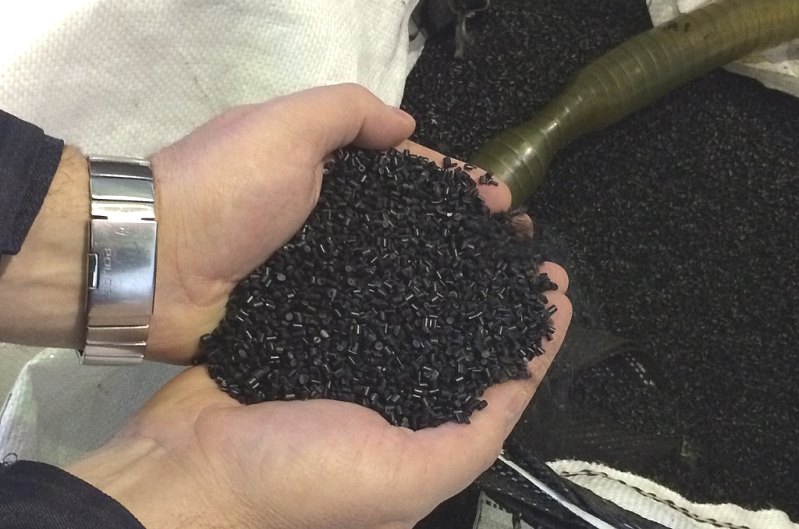
Battery Black Mass Residue is a high-value secondary raw material derived from the mechanical processing and shredding of end-of-life lithium-ion batteries. It serves as the primary feedstock for hydrometallurgical and pyrometallurgical recycling operations to recover critical metals including lithium, cobalt, nickel, manganese, and copper. The key value proposition lies in delivering a concentrated, pre-processed source of strategic battery metals that reduces reliance on primary mining while lowering input costs for cathode manufacturers. In the context of tightening global supply chains and ESG mandates, Black Mass is strategically important for securing circular supply of critical minerals and supporting regional battery production ecosystems.
2. Key Specifications & Technical Characteristics
- Chemical Composition: Typical metal content ranges – Li 2.5-4.5%, Co 5-20%, Ni 5-25%, Mn 3-15%, Cu 1-8%, Al 1-5%, Fe 0.5-3%, Graphite 25-40%; varies by feedstock chemistry NMC, LCO, LFP, NCA
- Purity Level / Grade: Industrial recycling grade; metal recovery rates >95% achievable in downstream hydromet processes; moisture content <3%
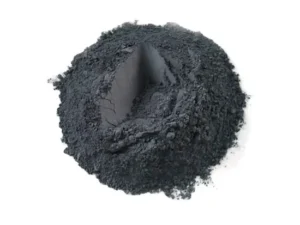
- Physical Characteristics: Form: Fine to granular powder; Color: Black to dark grey; Particle Size: D50 50-500 microns, customizable via sieving; Bulk Density: 0.8-1.2 g/cm³
- Packaging Options: 1 MT jumbo bags with PE liner, 25kg bags on pallets, vacuum-sealed drums; UN-approved packaging for hazardous goods Class 9 available
- Shelf Life: Stable 24 months when stored in dry, sealed conditions below 30°C; non-reactive under inert packaging
3. Core Industrial Applications
- Primary Industries: Battery recycling & refining, cathode active material CAM production, precursor P-CAM manufacturing, metal smelting & trading
- Specific Operational Use Cases: Direct feed into hydrometallurgical leaching circuits for Li, Co, Ni sulfate production; feedstock for pyrometallurgical smelters producing alloy; source material for emerging direct recycling processes
- Performance Advantages: Higher metal concentration vs. raw battery scrap reduces transport and processing costs per ton of recovered metal; pre-liberated structure increases leaching kinetics and yield vs. whole cells
- Efficiency, Durability, or Cost Advantages: Cuts raw material cost 15-30% vs. virgin mined equivalents; shortens supply chain lead times; provides auditable recycled content for battery passport compliance; mitigates price volatility of primary cobalt and nickel
4. Competitive Advantages
- Quality Consistency: Batch-level assay certificates with ICP-OES analysis; strict feedstock sorting controls to minimize LFP/NMC cross-contamination
- Supply Reliability: Established collection network across EU and Asia; contracted volumes available under annual offtake agreements
- Logistics Capability: IMDG Class 9 compliant documentation, Basel Convention expertise, global freight forwarding to major recycling hubs in EU, Korea, China, North America
- Price Competitiveness: Indexed pricing to LME/Fastmarkets with payables structure based on contained metal; tolling options available for closed-loop partners
- Sustainability Benefits: 60-70% lower CO₂ footprint vs. primary mining per kg of recovered Co/Ni; supports OEM Scope 3 reduction targets; full chain-of-custody documentation
- Technical Support: SDS, TDS, transport classifications, sample analysis, and process compatibility consultation provided; support for sampling protocols and moisture penalties
5. Commercial & Supply Information
- Minimum Order Quantity (MOQ): BULK 20MT
- Loading Capacity: 20 MT per 20ft container

Reviews
There are no reviews yet.