
Description
1. Product Overview
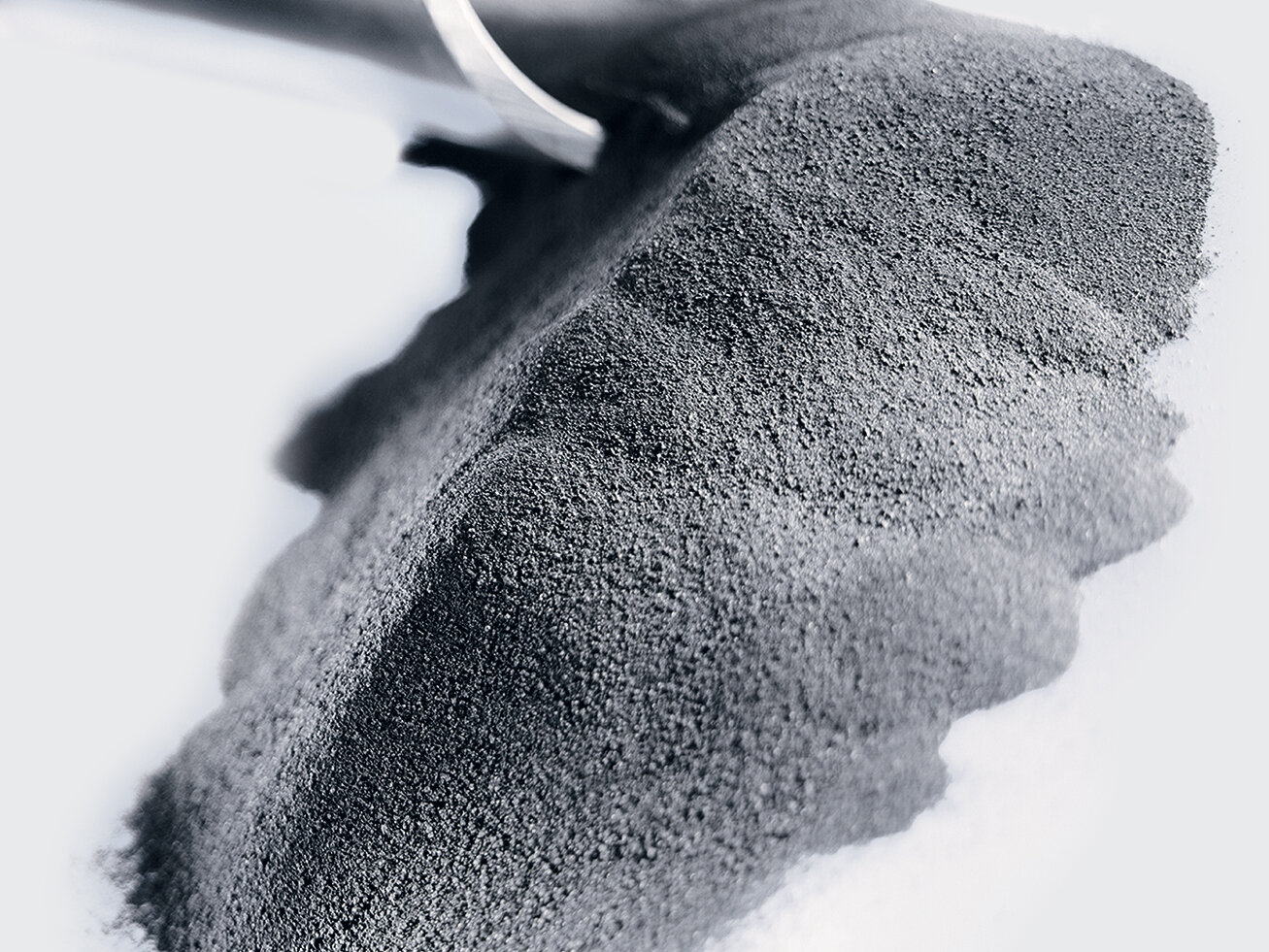
Anode Graphite Residue is a high-carbon industrial byproduct recovered from lithium-ion battery anode manufacturing and synthetic graphite processing. Its primary industrial use is as a cost-effective carbon source in metallurgy, refractories, lubricants, and carbon-based composite production. The key value proposition lies in delivering >90% fixed carbon content at a fraction of virgin graphite pricing while supporting circular economy initiatives. It is strategically important in the market as manufacturers face rising graphite costs and ESG pressure to incorporate recycled, traceable raw materials into their supply chains.
2. Key Specifications & Technical Characteristics
- Chemical Composition / Material Components:
- Fixed Carbon: 90% – 94%
- Ash Content: 4% – 8%
- Volatile Matter: 0.5% – 1.5%
- Moisture: ≤ 0.5%
- Sulfur (S): ≤ 0.5%
- Purity Level / Grade: Industrial Grade, Battery Anode Byproduct Classification
- Physical Characteristics:
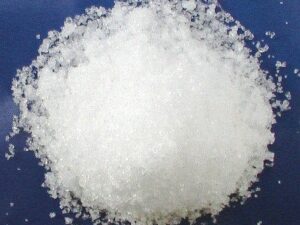
- Form: Fine powder / Granular residue
- Color: Dark grey to black
- Particle Size: D50 15 – 75 µm, customizable upon request
- Bulk Density: 0.65 – 0.85 g/cm³
- True Density: 2.10 – 2.25 g/cm³
- Packaging Options: 1 MT jumbo bags with PE liner, 25 kg woven bags on pallets, bulk vessel shipment available
- Shelf Life: 24 months under dry, covered storage conditions
3. Core Industrial Applications
- Primary Industries: Steelmaking & foundries, refractory manufacturing, friction materials, lubricants & greases, carbon brushes, recarburizer production, and construction materials.
- Specific Operational Use Cases: Used as a recarburizer in electric arc and induction furnaces, additive in refractory bricks and monolithics, base material for conductive coatings, filler in brake pads, and carbon raiser in cast iron production.
- Performance vs Alternatives: Compared to calcined petroleum coke or natural graphite fines, Anode Graphite Residue offers higher structural purity, lower sulfur/phosphorus impurities, and superior graphitic crystallinity for enhanced conductivity and thermal stability.
- Efficiency, Durability, or Cost Advantages: Delivers 15% – 30% material cost savings versus virgin synthetic graphite, reduces melt-in time in furnaces due to fine particle size, and lowers Scope 3 emissions for buyers through utilization of post-industrial waste.
4. Competitive Advantages
- Quality Consistency: Batch-level testing with COA provided; ISO 9001 managed production ensures ≤2% variation in fixed carbon across shipments.
- Supply Reliability: 2,000 MT/month stable output from dedicated processing facility with long-term anode scrap contracts.
- Logistics Capability: Global shipping from major Asian ports; experienced in bulk, containerized, and breakbulk export with HS Code documentation support.
- Price Competitiveness: Structured tier pricing for annual contracts; significantly below market price of primary synthetic graphite.
- Sustainability / Environmental Benefits: 100% recycled content; each MT used avoids ∼2.8 MT CO₂e vs virgin graphite production; supports ESG and CBAM reporting.
- Technical Support / Documentation: Full SDS, TDS, REACH compliance docs, and application engineering support for furnace trials and formulation adjustments.
5. Commercial & Supply Information
- Minimum Order Quantity (MOQ): BULK 20MT
- Loading Capacity (MT per container): 20 MT per 20-ft FCL
Reviews
There are no reviews yet.