
Description
1. Product Overview
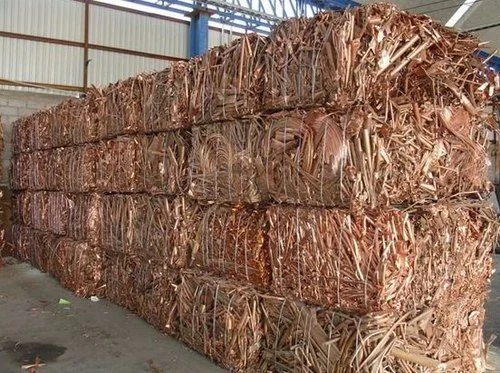
Cathode Scrap Material consists of high-grade metallic offcuts and end-of-life components recovered from lithium-ion battery cathodes and electrolytic refining processes. Its primary industrial use is as a secondary raw material feedstock for battery recycling, hydrometallurgical metal recovery, and stainless steel alloy production. The key value proposition lies in delivering a cost-effective, high-nickel, high-cobalt, or high-copper concentrate with significantly lower carbon footprint than virgin ore. This material is strategically important in the market as global electrification and energy transition policies accelerate demand for critical metals while supply chain security and circular economy mandates drive procurement toward recycled inputs.
2. Key Specifications & Technical Characteristics
- Chemical composition or material components: Primarily Cu, Ni, Co, Mn, Li, Al, and Fe. Typical ranges: Cu 35-70%, Ni 5-30%, Co 2-20%, Mn 1-10%, Li 1-5%, Al <3%, Fe <2%. Exact assay varies by source batch
- Purity level or grade: Industrial Grade. Metallic content 92-98%. Minimal organic binder and electrolyte residue <2%. No radioactive or hazardous admixtures
- Physical characteristics: Form: irregular plates, sheets, shredded pieces, or baled scrap. Color: metallic copper to dark gray/black. Particle size: 10mm to 300mm or as per buyer requirement. Bulk density: 1.8-3.5 g/cm³
- Packaging options: Loose in 20ft/40ft containers, 1MT jumbo bags, steel drums, or wooden pallets with shrink wrap. Custom packaging available for hazardous goods compliance
- Shelf life: Indefinite when stored in dry, covered conditions. Free from moisture and chemical contamination
3. Core Industrial Applications
- Primary industries: Battery recycling and black mass production, non-ferrous metal smelting, specialty alloy manufacturing, and copper refining
- Specific operational use cases: Direct feedstock for hydrometallurgical leaching to recover Ni, Co, and Li for new cathode production. Smelter input for copper anode manufacturing. Alloy additive in stainless steel and superalloy plants
- Why this product performs better than alternatives: Higher metal concentration than most post-consumer scrap reduces processing steps and reagent consumption. Lower slag volume vs. primary ore increases furnace efficiency
- Efficiency, durability, or cost advantages: Reduces raw material costs by 25-40% compared to virgin cathode metals. Shortens supply lead times and mitigates price volatility of LME metals. Enables ESG compliance through closed-loop sourcing
4. Competitive Advantages
- Quality consistency: Every lot is XRF-analyzed and certified. Batch traceability with full material assay reports and chain of custody
- Supply reliability: Established collection network across North America, EU, and Asia. Monthly availability of 500-2000MT with long-term contract options
- Logistics capability: Experienced in IMDG, Basel Convention, and cross-border documentation. Incoterms FOB, CIF, DAP available from major ports
- Price competitiveness: Direct-from-source pricing without multiple intermediaries. Volume-based discounts for 100MT+ contracts
- Sustainability or environmental benefits: Diverts landfill waste and reduces CO₂ emissions by up to 70% vs. primary mining. Supports Scope 3 reduction targets and EU Battery Passport requirements
- Technical support or documentation availability: Full MSDS, radioactivity certificate, non-hazardous declaration, certificate of origin, and independent SGS/Bureau Veritas inspection reports provided
5. Commercial & Supply Information
- Minimum order quantity (MOQ): BULK 20MT
- Loading capacity (MT per container): 20-25MT per 20ft container
Reviews
There are no reviews yet.