
Description
-
Product Overview
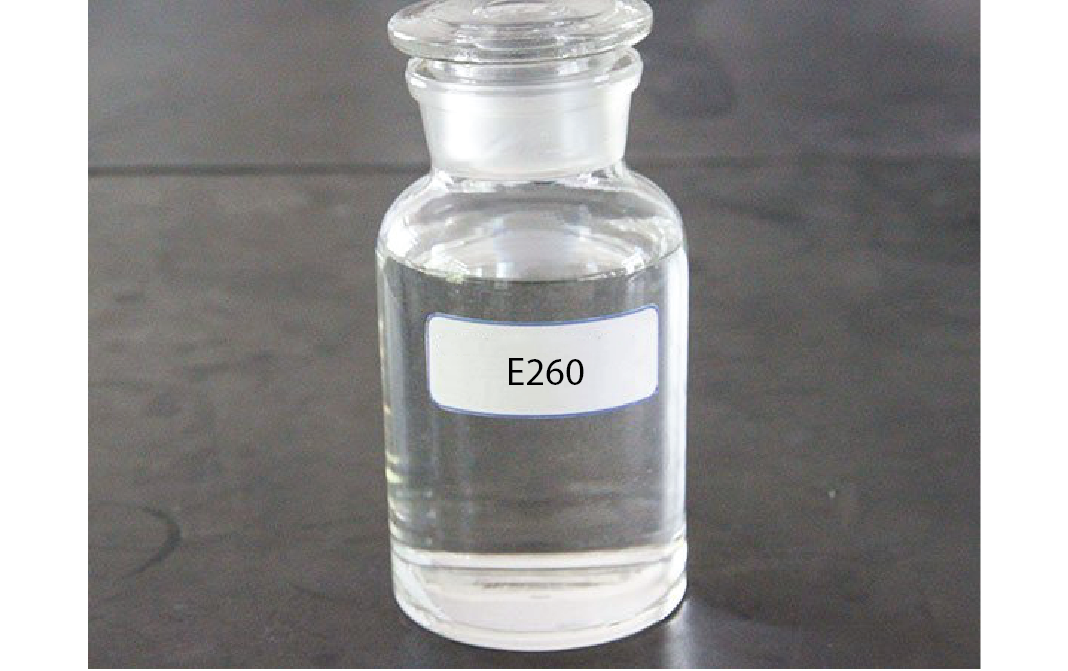
Acetic Acid (E260) is a high-purity industrial-grade reagent and commodity organic acid supplied for large-scale chemical, food-processing, and manufacturing applications. It functions as a solvent, pH regulator, reactant (acetylation, esterification), and preservative precursor, delivering consistent performance across batch and continuous processes. The key value proposition is predictable purity and supply continuity that reduce process variability, downtime, and downstream waste treatment costs. Strategically, reliable access to quality acetic acid underpins feedstock security for downstream chemical production (vinyl acetate, cellulose acetate, acetic anhydride), food ingredient supply chains, and industrial cleaning/solvent operations, making it a core component in procurement and risk-management portfolios.
-
Key Specifications & Technical Characteristics
-
Chemical name: Acetic Acid (Systematic: ethanoic acid)
-
CAS number: 64-19-7
-
Chemical formula: CH3COOH
-
Grade: E260 (food-grade / reagent-grade typical specification; confirm exact certificate grade with supplier)
-
Typical purity: 99.5% w/w (specifiable upon contract; tighter specs available)
-
Water content: ≤ 0.5% w/w (adjustable per agreement)
-
Acidity (as acetic acid): conforms to E260 standard limits per regulatory requirement
-
Physical form: Liquid, clear to slightly yellow; free of visible particulate
-
Density: ~1.049 g/cm³ at 20°C (specify exact batch density on COA)
-
Boiling point: ~118°C (atmospheric)
-
Flash point: 39°C (closed cup) — handle per safety data sheet
-
Odor: Characteristic pungent vinegar-like smell
-
Packaging options: ISO tankers (preferred for BULK), 20 MT flexi-bags in ISO tanks, 200–1,000 L intermediate bulk containers (IBCs), 25–30 kg steel drums (where applicable and compliant with transport regulations)
-
Container linings: Stainless steel 316L, appropriate polymer coatings—specify on order for reactive applications
-
Shelf life: Stable under recommended storage (cool, dry, ventilated), typical practical storage life 12–24 months; verify COA for extended storage suitability
-
Certifications & documentation: Certificate of Analysis (COA), Safety Data Sheet (SDS), Traceability documentation, optional Halal/Kosher and food-contact declarations upon request
-
Core Industrial Applications
-
Chemical manufacturing: Feedstock for production of vinyl acetate monomer, acetic anhydride, esters, and cellulose acetate; used in acetylation and esterification reactions requiring consistent acidity and low impurity profiles.
-
Food & beverage: Acidity regulator, preservative precursor, and flavoring component in processed foods and condiments where E260-grade compliance is required.
-
Pharmaceuticals: Reagent and solvent in API synthesis, formulation steps, and excipient processing where high purity and documented COA are mandatory.
-
Coatings, adhesives, and plastics: Solvent and reactant in formulation of coatings, adhesives, and plasticizers; supports consistent cure and film properties.
-
Textile and leather processing: Desizing, pH adjustment, and finishing operations requiring controlled acidification to protect fiber and dye performance.
-
Water treatment and cleaning: Descaling, pH control, and industrial cleaning formulations that benefit from acetic acid’s solvency and biodegradability.
Why it outperforms alternatives: E260-grade acetic acid offers a balance of high purity and cost-effectiveness compared with specialty reagents; it minimizes side reactions and downstream purification steps, improves batch yield, and reduces catalyst poisoning risk versus lower-grade or technical-grade alternatives. Its liquid form simplifies metering and integration into continuous processes versus solid acid substitutes.
-
Competitive Advantages
-
Quality consistency: Batch-specific COAs, strict QC protocols, and in-house analytical verification ensure consistency across shipments.
-
Supply reliability: Contracted production capacity and multiple logistics nodes reduce single-point supply risk; strategic inventory buffers minimize lead-time volatility.
-
Logistics capability: Bulk loading via ISO tankers and containerized options enable efficient multimodal transport (sea, road, rail); specialist hazardous-goods handling and cross-border export experience.
-
Price competitiveness: Scalable bulk pricing models for 20 MT+ orders with volume discounts and long-term supply agreements to stabilize procurement budgets.
-
Sustainability benefits: Fully biodegradable, lower environmental persistence than many mineral acids; supplier can provide cradle-to-gate emissions data and options for lower-carbon sourcing upon request.
-
Technical support: Process integration advice, COA and SDS delivery with each shipment, and availability of application notes and troubleshooting support for downstream processing teams.
-
Commercial & Supply Information
-
Minimum order quantity (MOQ) BULK: 20 MT
-
Loading capacity (MT per container): Standard 20-foot ISO tanker/load capacity: 20–21 MT per ISO tank (dependent on tank specifications and regulations)

Reviews
There are no reviews yet.