
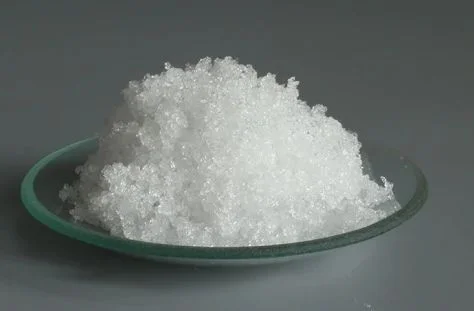
Description
-
Product Overview
Phosphoric Acid (E338) is a clear, inorganic acid widely used in industrial processes as a mineral acid and reagent. Primarily applied as a surface treatment agent, pH regulator, and intermediate in chemical synthesis, it delivers controlled acidity and robust corrosion inhibition in metal treatment, water treatment, fertilizer production, and food-grade acidulation. The product’s key value proposition is its high-purity, consistent specification that enables predictable process performance, lower total cost of ownership, and streamlined regulatory compliance. Strategically, sourcing reliable Phosphoric Acid is critical for manufacturers and processors who require uninterrupted production, strict quality control, and traceable supply chains across global operations. -
Key Specifications & Technical Characteristics
-
Chemical identity: Orthophosphoric acid, commonly listed as Phosphoric Acid (E338).
-
Formula: H3PO4.
-
Purity/Grade: Industrial grade; typical assay range 75%–85% w/w (specify exact grade per contract). Food/technical grades available on request with certification.
-
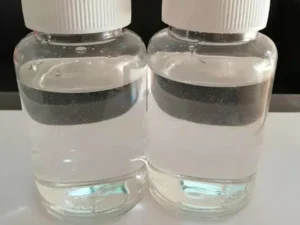
Physical form: Liquid, viscous aqueous solution.
-
Color/Appearance: Clear to slightly amber, free of suspended solids.
-
Density: Approximately 1.685 g/mL for 85% w/w at 20°C (adjust by concentration).
-
pH: Strongly acidic; pH depends on concentration.
-
Boiling/Freezing characteristics: Aqueous solution — properties vary by concentration; handled per MSDS recommendations.
-
Impurities: Low levels of chlorides, sulfates, and heavy metals per specification limits; certificates of analysis provided with each batch.
-
Packaging options: ISO tankers, 20–25 MT bulk drums, 1,000 L IBCs, 200 L steel drums; customized packaging available for food-grade or export requirements.
-
Shelf life/stability: Stable under correct storage (cool, dry, ventilated, corrosion-resistant containment); recommended first-in, first-out (FIFO) rotation and regular inspection. No fixed degradation under normal storage; review COA for shelf recommendations.
-
Documentation: Certificate of Analysis (COA), Material Safety Data Sheet (MSDS), and transportation documentation provided with shipment.
-
Core Industrial Applications
-
Fertilizer manufacturing: Used for producing monoammonium phosphate (MAP) and diammonium phosphate (DAP); provides consistent acidulation efficiency and low impurity levels that protect downstream catalysts and equipment.
-
Metal surface treatment and phosphating: Acts as a phosphating agent for corrosion resistance and paint adhesion in automotive, heavy equipment, and appliance manufacturing; delivers uniform conversion layers and predictable process control versus lower-grade alternatives.
-
Water treatment and pH control: Employed for sequestration, corrosion control in potable water and industrial systems; effective dosing characteristics reduce chemical consumption while maintaining regulatory compliance.
-
Food & beverage acidulation (food-grade only): Used as an acidity regulator and sequestrant (E338); when supplied with appropriate food-grade certification, supports consistent product quality and traceability for large-scale food processors.
-
Chemical intermediates and specialty chemicals: Feedstock for phosphate esters and other phosphorus-containing intermediates; high assay minimizes downstream purification costs.
Why it outperforms alternatives: -
Consistent assay and low impurity profile reduce variability in reactions and finishing baths, lowering rework and scrap rates.
-
Higher concentration options lower transportation weight per unit of active acid, reducing logistics cost and tank turn frequency.
-
Reliable documentation and traceability simplify supplier qualification and regulatory audits.
-
Competitive Advantages
-
Quality consistency: Factory-controlled production with batch-level COAs and strict impurity limits ensures reproducible performance across production runs.
-
Supply reliability: Robust manufacturing and logistics network to support continuous supply for large-volume industrial customers; capacity planning and contractual offtake options available.
-
Logistics capability: Multiple packaging formats (bulk ISO tank, IBC, drums) and compatibility with standard hazardous goods handling enable flexible shipment by sea, road, or rail; export-ready documentation simplifies cross-border transactions.
-
Price competitiveness: Scalable pricing for bulk contracts and long-term supply agreements, with concentration options to optimize delivered cost per active unit.
-
Sustainability & environmental profile: Efficient production routes and options for low-impurity, lower-energy concentrate deliveries reduce lifecycle emissions per tonne of active acid; responsible waste management and regulatory compliance across supply chain.
-
Technical support: Application engineering support, dosing recommendations, MSDS, COA, and assistance with regulatory documentation for specific end-use sectors.
-
Commercial & Supply Information
-
Minimum order quantity (MOQ): BULK 20 MT.
-
Loading capacity: Typical container/containerized loading depends on packaging; approximate maximums:
-
20 ft ISO tank: up to 24–25 MT (depending on concentration and tank rating).
-
20 ft container with drums/IBCs: up to 20–22 MT (packaging-dependent).
-
40 ft tank: up to 24–28 MT (verify tank rating and route).
-
-
Lead times: Based on order size and destination; negotiable under contract with priority allocation options for long-term agreements.
-
Payment & terms: Standard commercial terms; negotiable for volume contracts and repeat customers.
-
Documentation provided: COA, MSDS, packing list, commercial invoice, and export/import paperwork as required.


Reviews
There are no reviews yet.