
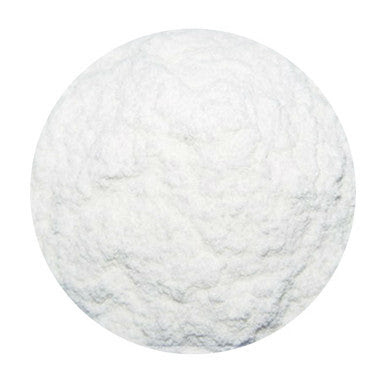
Description
-
Product Overview
Calcium Lactate (E327) is a white, odorless inorganic salt produced by the neutralization of lactic acid with calcium hydroxide. Primarily used as a food-grade firming agent, buffering agent, and calcium fortificant, it also serves in pharmaceutical, water treatment, and specialty chemical formulations. Its key value lies in delivering bioavailable calcium with neutral sensory impact, predictable reactivity, and high handling safety compared with alternative calcium salts. Strategically, Calcium Lactate (E327) enables manufacturers to meet regulatory fortification targets, improve product stability, and reduce process variability across large-scale production programs. -
Key Specifications & Technical Characteristics
-
Chemical composition: Calcium lactate, formula Ca(C3H5O3)2 (anhydrous or hydrate specified per grade).
-
CAS number: 814-80-2 (confirm on certificate).
-
Purity / grade: Food-grade / pharmaceutical-grade available; typical assay ≥ 99.0% (adjustable by contract).
-
Moisture content: Specified per grade; typical range 2–8% (hydrate-dependent).
-
Physical form: Free-flowing crystalline powder or granules.
-
Color: White to off-white.
-
Particle size: Standard: D50 150–500 µm; customizable milling to meet process specifications.
-
Bulk density: Typically 0.6–0.9 g/cm³ (dependent on particle size and packing).
-
Solubility: Moderately soluble in water; dissolution profile provided on request.
-
pH (1% aqueous): Typically 6.5–7.5 (buffering characteristics vary with concentration).
-
Impurities: Heavy metals, arsenic, lead limits to meet food/pharma specifications; detailed impurity profile available in COA.
-
Packaging options: 25 kg multiwall paper bags with PE liner, 500 kg FIBCs, 20 MT bulk palletized & shrink-wrapped, ISO tank solutions for slurry forms (contract-dependent).
-
Storage & shelf life: Store in cool, dry, ventilated conditions away from moisture; shelf life typically 24 months in original sealed packaging (verify per batch COA).
-
Core Industrial Applications
-
Food & Beverage: Used as a firming agent in canned vegetables, a stabilizer in dairy and plant-based products, and a calcium fortificant in beverages and nutritional foods. Offers neutral taste and superior dispersibility versus carbonate or oxide salts.
-
Pharmaceuticals & Nutraceuticals: Serves as a bioavailable calcium source in tablets, syrups, and effervescent formulations; compatible with common excipients and predictable release profiles reduce formulation development time.
-
Water Treatment & Industrial Processes: Acts as a buffering and scale-control adjunct where mild pH adjustment is required without harsh alkalinity spikes.
-
Specialty Chemicals & Coatings: Used as a reactive intermediate or additive where controlled calcium activity and low impurity levels are required.
Why it outperforms alternatives: -
Bioavailability: Higher physiological uptake than some insoluble calcium salts (e.g., carbonate) in certain matrices.
-
Process compatibility: Neutral sensory profile and predictable solubility reduce downstream processing corrections and waste.
-
Handling & safety: Lower dust and lower causticity risks than lime or oxide alternatives, improving workplace safety and lower PPE burden.
-
Competitive Advantages
-
Quality consistency: ISO-aligned manufacturing with batch-level Certificates of Analysis (COA) and traceability ensures specification adherence for large contracts.
-
Supply reliability: Multi-source production footprint and maintained safety stock reduce single-point failure risk for continuous industrial operations.
-
Logistics capability: Flexible packaging and palletization configured for FCL and LCL shipments, ability to arrange FOB/CIF/DDP Incoterms tailored to buyer needs.
-
Price competitiveness: Scalable bulk pricing for 20 MT+ orders and long-term contract discounts; competitive landed cost versus specialty fortified ingredients.
-
Sustainability: Production pathways optimized to reduce water and energy use; available documentation on carbon intensity and waste management on request.
-
Technical support: Application data sheets, formulation guidance, stability studies, and regulatory documentation (spec sheets, COA, MSDS, allergen statements) provided to support qualification and audits.
-
Commercial & Supply Information
-
Minimum order quantity (MOQ): BULK 20MT.
-
Loading capacity (MT per container): Typical loading capacity per 20′ container: up to 20 MT (bagged bulk, palletized); per 40′ container: up to 24–26 MT depending on packing configuration and pallet pattern.
-
Lead times, pricing tiers, and custom grade options available upon enquiry and subject to contract terms.


Reviews
There are no reviews yet.