
Description
1. Product Overview
Spent Ni-Mo Hydrodesulfurization Catalyst is a recovered nickel-molybdenum catalyst utilized in petroleum refining for sulfur removal from crude oil fractions. Its primary industrial use is as a secondary raw material for metal reclamation, enabling refiners and metal recovery facilities to extract high-value nickel, molybdenum, vanadium, and alumina. The key value proposition lies in its cost-efficient metal content versus primary ores, offering up to 60% reduction in smelting input costs for critical metals. It is strategically important in the market as global demand for Ni and Mo accelerates in battery, stainless steel, and specialty alloy sectors, while ESG mandates drive refineries to monetize spent catalysts through circular economy channels.
2. Key Specifications & Technical Characteristics
- Chemical Composition: Ni 2.5–6.0% w/w, Mo 6.0–12.0% w/w, V 0.5–4.0% w/w, Al₂O₃ balance, Sulfur 5.0–15.0% w/w, Carbon 3.0–12.0% w/w, Fe <1.5% w/w
- Purity Level / Grade: Spent industrial grade, metals present as oxides and sulfides, suitable for hydrometallurgical and pyrometallurgical recovery
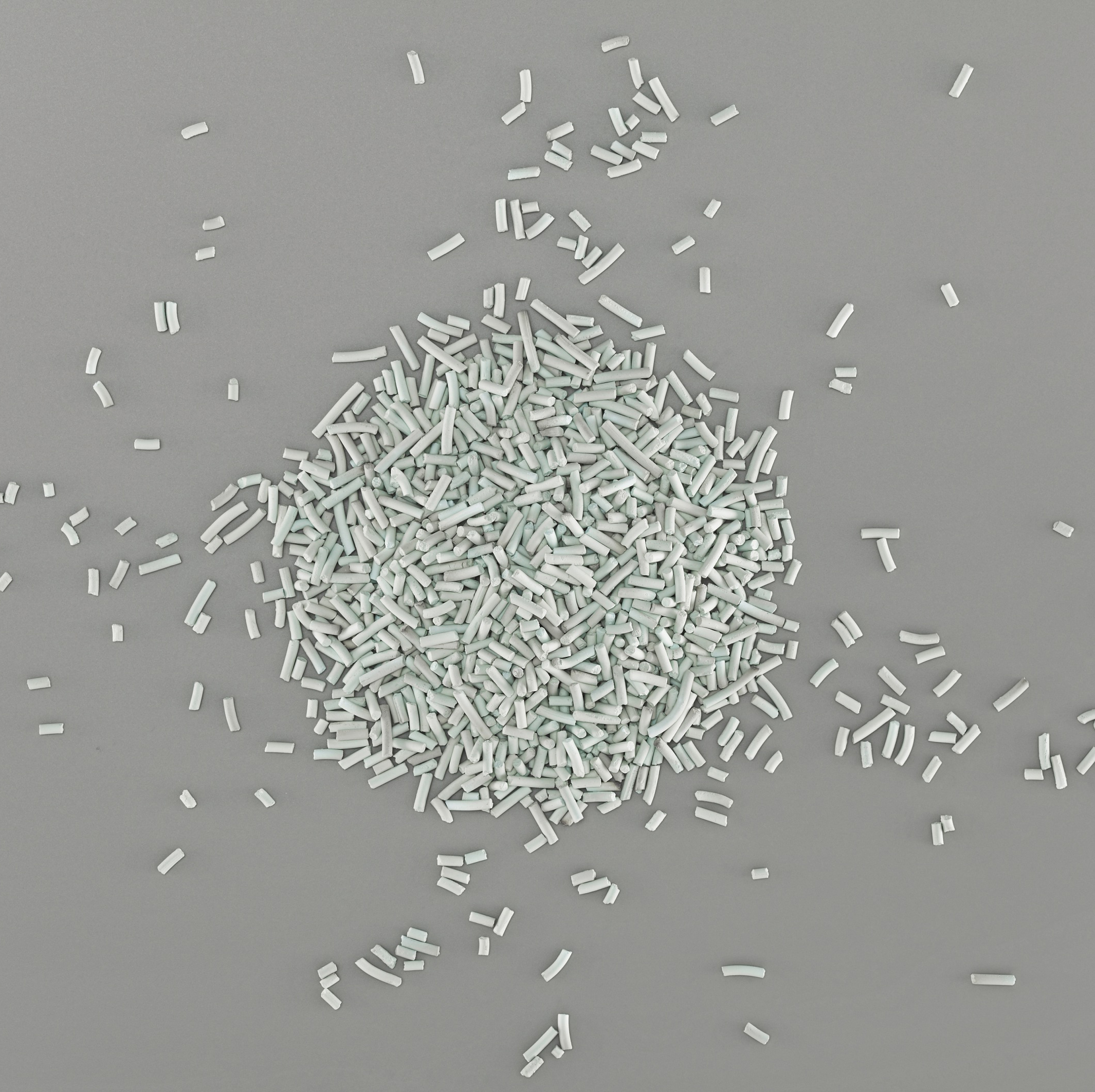
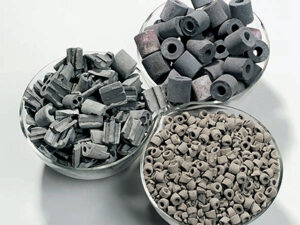
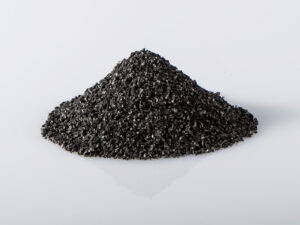
- Physical Characteristics: Form: extrudates, trilobes, or spheres; Color: dark grey to black; Particle Size: 1.2–3.5 mm diameter; Bulk Density: 0.65–0.85 g/cm³; Moisture: <3.0% w/w after drying
- Packaging Options: 1 MT jumbo bags with inner PE liner, loaded in 20′ GP containers; steel drums available for sample orders
- Shelf Life: Indefinite when stored dry in sealed packaging; non-hazardous for storage but classified as hazardous waste for transport under Basel Convention Y18
3. Core Industrial Applications
- Primary Industries: Non-ferrous metal smelting, ferroalloy production, catalyst regeneration, specialty chemicals, and strategic metals recycling
- Specific Operational Use Cases: Feedstock for roasting-leaching to produce NiSO₄ and ammonium molybdate; direct smelting for Fe-Ni-Mo alloys; alumina recovery for ceramics and refractories; vanadium extraction for VRFB batteries and steel strengthening
- Performance vs Alternatives: Delivers higher Ni+Mo yield per ton than low-grade laterite ores and avoids mining capex; pre-calcined structure reduces energy input in roasters by 18–25% compared to virgin concentrates
- Efficiency, Durability, or Cost Advantages: Reduces raw material procurement costs by 40–55% for Mo and Ni units; shortens supply chains for refiners under take-back agreements; enables refineries to offset fresh catalyst costs through buy-back credits
4. Competitive Advantages
- Quality Consistency: Batch-assayed with ICP-OES and XRF; Certificate of Analysis provided per lot with <5% variance on key metals
- Supply Reliability: Contracted offtake from 12+ GCC and Asian refineries ensuring 200–500 MT monthly availability; audited chain of custody
- Logistics Capability: Experienced in IMDG Class 9, UN3077 shipments; pre-cleared Basel notifications and prior-informed consent documentation handled in-house
- Price Competitiveness: Indexed to LME Ni and Mo oxide with discounts to primary metal units; flexible Incoterms FOB, CIF, or DDP
- Sustainability or Environmental Benefits: Diverts hazardous waste from landfill; enables Scope 3 emissions reduction for refineries; supports EU Critical Raw Materials Act and US IRA-compliant sourcing
- Technical Support or Documentation Availability: Full SDS, TDS, non-radioactivity certificate, and metal balance reports; metallurgical advisory for optimal recovery flowsheet provided
5. Commercial & Supply Information
- Minimum Order Quantity (MOQ): BULK 20MT
- Loading Capacity: 20 MT per 20′ GP container
Reviews
There are no reviews yet.