
Description
1. Product Overview
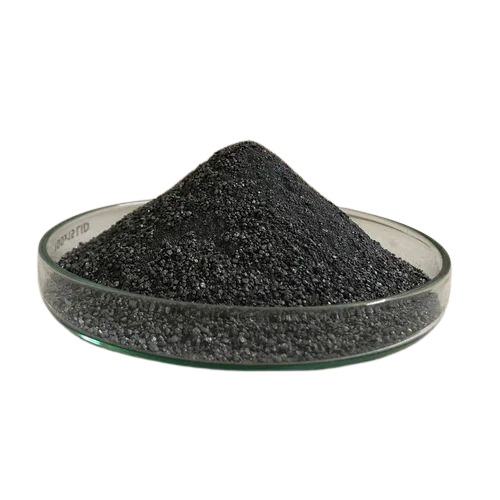
Nickel Catalyst Residue (High Grade) is a secondary nickel-bearing material recovered from spent petrochemical and hydrogenation catalysts. Its primary industrial use is as a cost-effective feedstock for nickel smelters, refineries, and stainless steel producers to extract nickel metal and nickel salts. The key value proposition lies in delivering >18% recoverable Ni content at significantly lower procurement cost versus primary nickel or Class 1 nickel products. It is strategically important as global supply chains prioritize circular economy inputs, ESG-compliant raw materials, and de-risking from primary nickel price volatility.
2. Key Specifications & Technical Characteristics
- Chemical Composition: Ni 18–24% (metallic + oxide basis), Al2O3 25–40%, SiO2 5–12%, Fe 0.5–3.0%, S <1.5%, C <2.0%, Mo <0.8%, P <0.05%
- Purity Level / Grade: High Grade industrial residue, low tramp elements, non-hazardous classification per TCLP when properly processed
- Physical Characteristics:
- Form: Spent catalyst pellets, extrudates, or crushed granules
- Color: Dark grey to black
- Particle Size: 1–5mm typical, <10% fines <0.5mm, or as per buyer spec
- Bulk Density: 0.8–1.2 g/cm³
- Moisture: <8% free moisture, LOI 10–18%
- Packaging Options: 1 MT jumbo bags with PE liner, 20–25 MT per 20ft container; bulk vessel loading available
- Shelf Life: Chemically stable under dry storage; no degradation for 24+ months if protected from moisture
3. Core Industrial Applications
- Primary Industries: Stainless steel production, nickel sulfate manufacturing for EV batteries, specialty alloy producers, non-ferrous metal smelters, chemical processing
- Specific Operational Use Cases: Direct feed into electric arc furnaces, rotary kiln-electro furnace (RKEF) lines, hydrometallurgical leaching for NiSO4, blending material to adjust nickel units in melt shops
- Performance vs Alternatives: Offers 30–45% cost savings per nickel unit compared to nickel briquettes or cathode; reduces reliance on laterite/ore mining with faster processing time due to pre-calcined nature
- Efficiency, Durability, or Cost Advantages: Consistent nickel content reduces bath chemistry variability; low impurities minimize slag volume and refining costs; available in prompt volumes to offset spot shortages
4. Competitive Advantages
- Quality Consistency: Every lot sampled, assayed by XRF/ICP, with third-party SGS/Inspectorate certificates; batch traceability and COA provided
- Supply Reliability: 500–1,000 MT monthly allocation from long-term refinery off-take agreements; dedicated stockpile management
- Logistics Capability: FCA, FOB, and CIF delivery via Douala Port, Cameroon; containerized and breakbulk experience; IMO compliant documentation for non-haz shipments
- Price Competitiveness: Indexed to LME Ni with adjustable discount structure; fixed-price contracts available for 3–6 month terms
- Sustainability or Environmental Benefits: 100% recycled feedstock; reduces CO2/MT Ni by >60% vs primary mining; supports Scope 3 emission targets and circular economy reporting
- Technical Support or Documentation Available: SDS, TDS, flowability reports, leaching test data, impurity profiles, import compliance dossiers for EU, China, India, Korea
5. Commercial & Supply Information
- Minimum Order Quantity (MOQ): BULK 20MT
- Loading Capacity (MT per container): 20–25 MT per 20ft container

Reviews
There are no reviews yet.