
Description
-
Product Overview
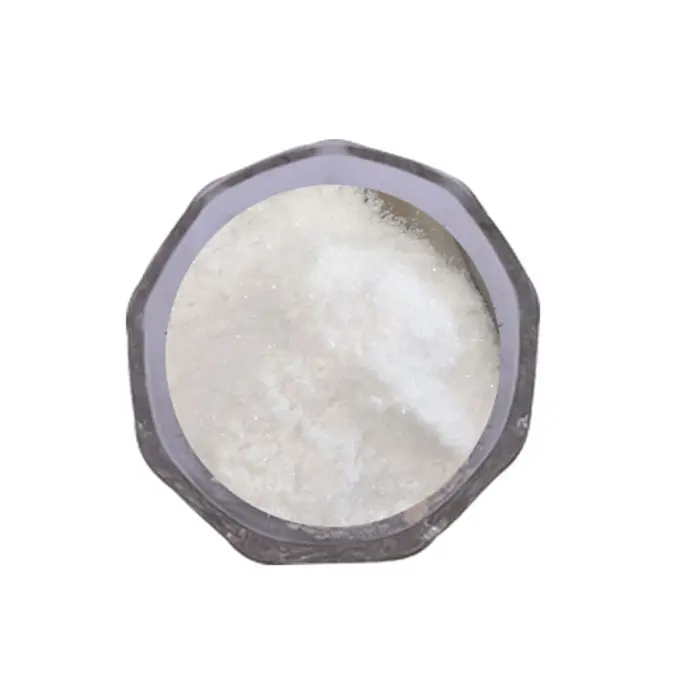
Cooling Agents (WS-23 / WS-3 type systems) are high-purity synthetic cooling compounds used to deliver rapid, long-lasting cooling sensations in industrial formulations. Primarily deployed in specialty chemicals and consumer-product manufacturing, they provide controlled thermal perception without refrigeration, enabling product differentiation across personal care, oral care, flavor, topical therapeutic, and polymer-compound applications. The key value proposition is predictable, tunable cooling intensity with excellent chemical stability and low volatility, allowing formulators to optimize sensory profiles while preserving product stability. Strategically, these cooling agents enable manufacturers to replace inconsistent natural extracts, reduce formulation complexity, and capture premium market positions through consistent sensory performance and regulatory-compliant supply.
-
Key Specifications & Technical Characteristics
-
Chemical family: Synthetic cooling menthol analogs (WS-23 / WS-3 type systems).
-
Typical CAS references: WS-23 (commonly N-ethyl-p-menthane-3-carboxamide-related analogs), WS-3 (N-ethyl-p-menthane-3-carboxamide class) — confirm CAS per batch.
-
Typical composition: >99% single active cooling component (technical/excipients levels specified per grade).
-
Purity/grade: Industrial / Technical grade 98–99.9% available; cosmetic/pharmaceutical grades on request and subject to regulatory documentation.
-
Physical form: Clear to pale-yellow liquid or low-melting semi-solid (batch-dependent).
-
Odor profile: Mild, faint odor; minimal off-notes.
-
Solubility: Soluble in common formulation solvents (ethanol, propylene glycol, oils) and compatible with emulsions at recommended usage levels.
-
Recommended assay: Certificate of Analysis provided per shipment with GC/HPLC assay.
-
Typical density: ~0.95–1.05 g/cm³ (confirm per batch).
-
Melting/boiling points: Product-specific; datasheet provided for thermal properties.
-
Particle size: Not applicable for liquid grades; particulate grades available on request.
-
Packaging options: HDPE drums (25 kg, 50 kg), steel drums (200 kg), IBC totes (1000 L), 20 MT bulk pallets, and refrigerated bulk tanker arrangements for large orders.
-
Shelf life / storage: 24 months when stored in sealed containers, cool (≤25 °C), dry, away from direct sunlight; storage conditions and stability data supplied.
-
Regulatory & documentation: COA, MSDS/SDS, REACH dossiers and GMP/IFS documentation available on request for export markets.
-
Core Industrial Applications
-
Personal care and cosmetics: Used in creams, lotions, gels, deodorants, sunscreens, and aftershave products to deliver controlled cooling without skin irritation. Advantages: lower odor, longer duration than natural menthol, predictable dose-response.
-
Oral care and confectionery: Incorporated in toothpastes, mouthwashes, chewing gum, and mint confectionery for persistent cooling sensation with reduced bitter or metallic aftertaste. Benefits: improved flavor stability, reduced volatilization during processing.
-
Pharmaceutical and topical therapeutics: Employed in analgesic balms, transdermal gels, and topical anti-pruritic formulations where cooling contributes to perceived efficacy. Advantages: stable at formulation pH ranges, compatible with active APIs.
-
Food ingredient systems (select grades): Used in flavor systems for beverages and confections where permitted; offers consistent sensory profiles with lower formulation variance.
-
Industrial polymers and coatings: Used in specialty polymer compounds and adhesives to provide sensory or functional cooling effects in end-use products. Advantages: thermal stability during processing, minimal interaction with polymer matrices.
Why it performs better: Compared with natural menthol or lower-grade cooling agents, WS-23/WS-3 type systems offer tunable intensity, reduced irritation, lower volatility, and superior stability under heat and over time — resulting in less reformulation, more reliable product performance, and lower waste from batch failures.
-
Competitive Advantages
-
Quality consistency: Tight batch-to-batch specifications, standardized assays, and third-party testing ensure reproducible sensory and chemical performance.
-
Supply reliability: Secure upstream sourcing, multi-site production capability, and safety-stock policies minimize disruption for large-volume buyers.
-
Logistics capability: Flexible packaging (drums, IBCs, tanker), global export experience, and temperature-controlled shipping options for sensitive grades.
-
Price competitiveness: Tiered pricing for bulk commitments (MOQ-based discounts), long-term contract options, and competitive FOB/CIF pricing for major ports.
-
Sustainability: Options for reduced-impact manufacturing streams and documentation for regulatory compliance (REACH, RoHS where applicable); commitment to continual improvement in waste and emissions.
-
Technical support: Dedicated formulation support, application notes, stability data, and troubleshooting from experienced chemists to accelerate customer development cycles.
-
Documentation: Full COA, SDS, storage and handling guidance, and regulatory dossiers available to support procurement, QA, and compliance teams.
-
Commercial & Supply Information
-
Minimum order quantity (MOQ): BULK 20 MT.
-
Loading capacity (MT per container): Typical 20-foot container capacity up to 20 MT (liquid packaging dependent); 40-foot container capacity up to 24–25 MT subject to packaging configuration and weight limits. For IBC/tanker shipments, consult logistics team for optimized loading.
-
Lead time: Standard lead time 4–8 weeks (subject to order size, grade, and destination). Expedited production options may be available.
-
Incoterms and shipping: FOB, CIF, EXW available; export documentation and customs support provided for major trading lanes.
-
Quality assurance: Each shipment accompanied by COA and SDS; third-party testing available on request.

Reviews
There are no reviews yet.