
Description
-
Product Overview
Ammonium nitrate is a high-nitrogen inorganic salt (NH4NO3) widely used as a primary nitrogen fertilizer and as an oxidizer in industrial explosives and mining operations. Its primary industrial uses include large-scale agricultural fertilization programs and controlled blasting for quarrying, mining, and construction. The key value proposition is reliable, high-nitrogen content supply that maximizes crop yield or delivers predictable oxidizer performance under standardized handling and storage conditions. Strategically, ammonium nitrate is essential to global food security and resource extraction supply chains, making it a critical procurement item for farmers, fertilizer blenders, miners, and infrastructure contractors seeking steady, cost-efficient, and compliant inputs.
-
Key Specifications & Technical Characteristics
-
Chemical composition: Ammonium nitrate (NH4NO3) as primary component; typical impurity profile specified on SDS.
-
Nitrogen content: Typically 34.5% N (prill/solid fertilizer grade) or as specified per contract.
-
Purity/grade: Industrial / technical grade; available in Fertilizer Grade (prilled or granular) and Technical Oxidizer Grade (stabilized for industrial uses).
-
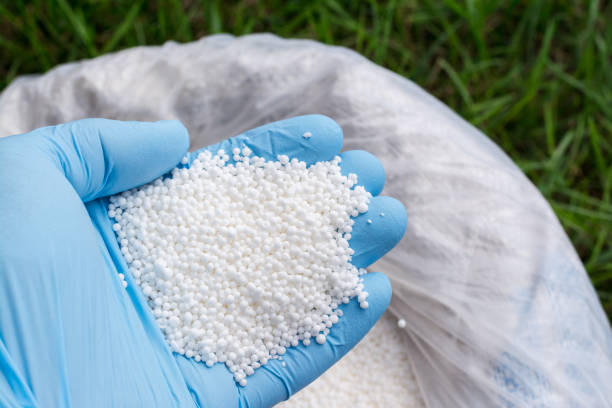
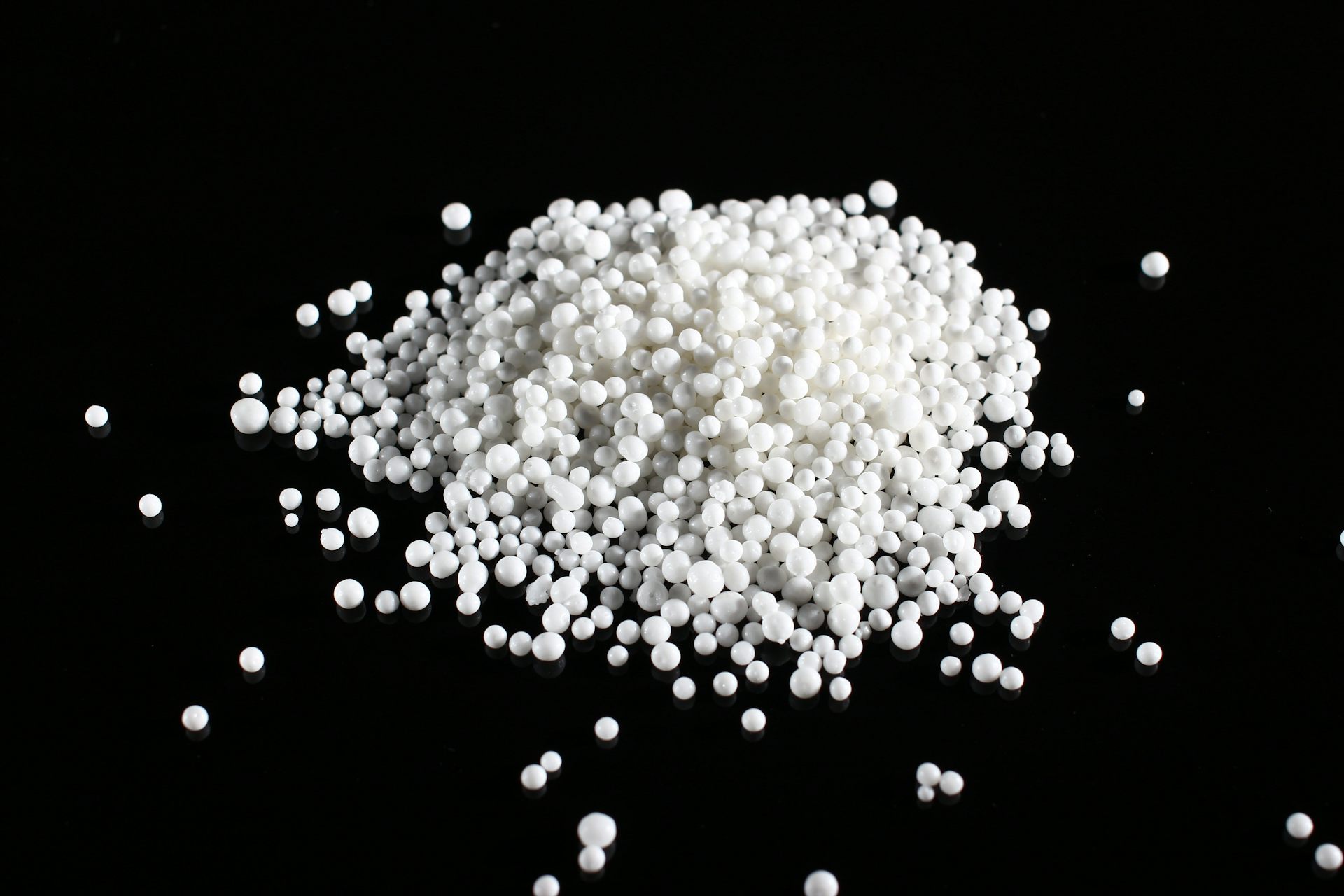
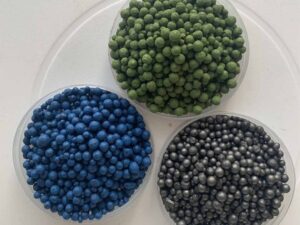
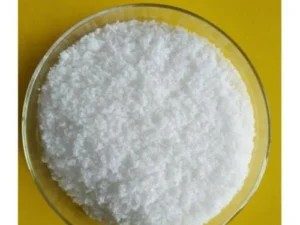
Physical form: Prills or coarse granules; free-flowing solid.
-
Color: White to off-white.
-
Particle size: Standard prill size range 1.5–4.0 mm; customizable sizing available on bulk orders.
-
Bulk density: Typical bulk density 0.8–1.0 t/m3 (prills); packing-specific densities available.
-
Melting point/decomposition: Decomposes at elevated temperatures; handle per safety data sheet (SDS).
-
Hygroscopicity: Moderately hygroscopic — dust-free, anti-caking treated options available for improved storage performance.
-
Solubility: Highly soluble in water; suitable for blending into NPK and liquid fertilizer formulations.
-
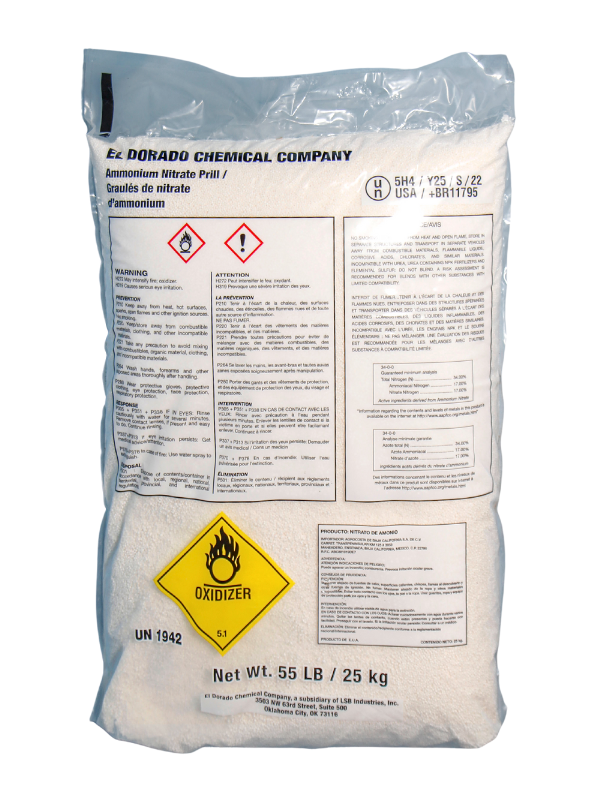
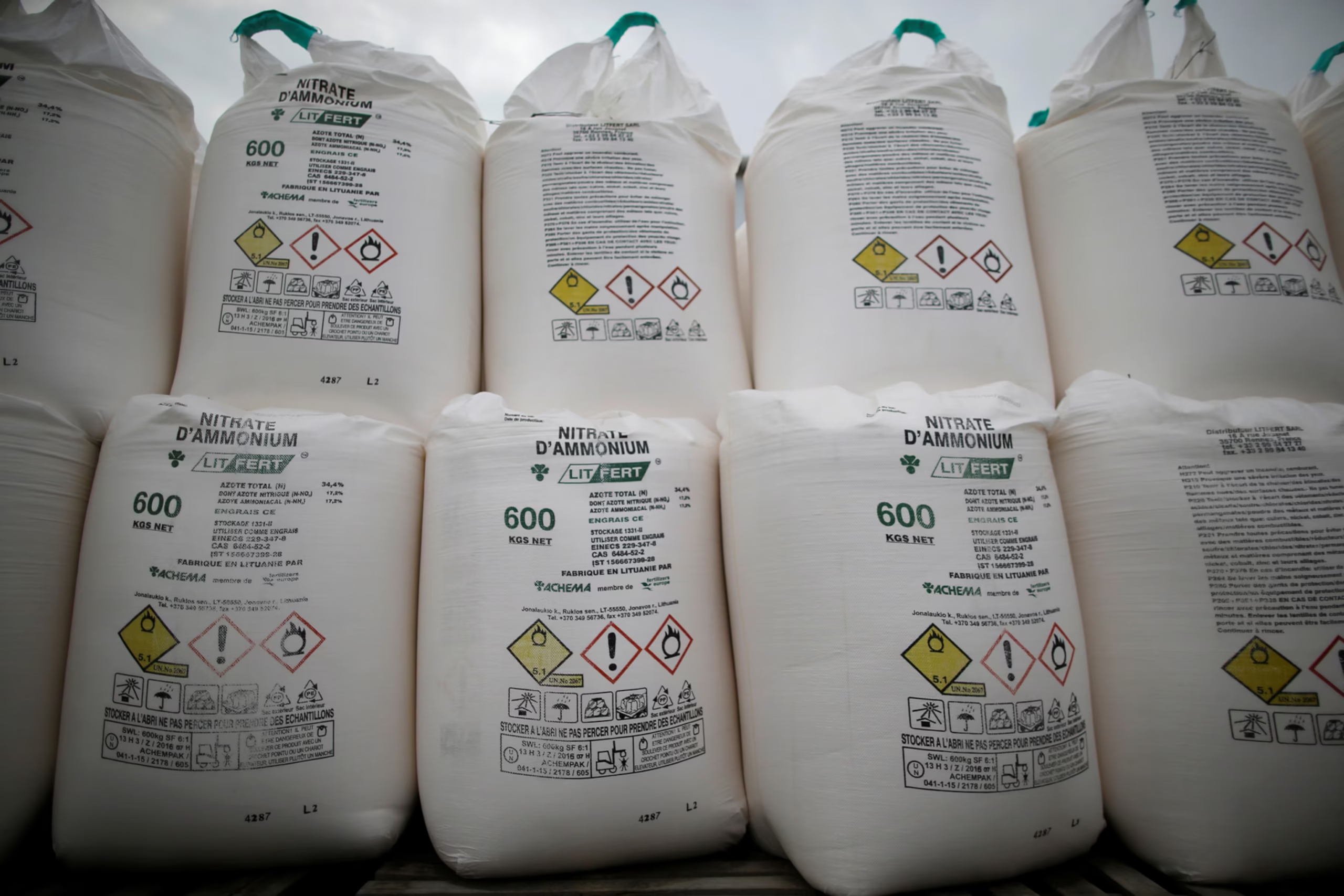
Packaging options: 25 kg woven polypropylene (PP) bags with inner liner; 500–1,000 kg bulk flexible intermediate bulk containers (FIBCs); bulk loose-loading for vessels, trucks, or rail.
-
Anti-caking and stabilizers: Available upon request (for reduced caking and improved shelf stability).
-
Shelf life: Stable when stored dry and ventilated; typical recommended shelf life 12–24 months under proper storage.
-
Certifications and compliance: Supplied with Certificate of Analysis (CoA), Safety Data Sheet (SDS), and export documentation; compliance options available for regional regulatory regimes on request.
-
Core Industrial Applications
-
Agriculture (primary): Direct application as a high-efficiency nitrogen fertilizer, feedstock for NPK compound fertilizers, and for fertigation after dissolution. Use cases: large-scale row crops (corn, wheat, rice), commercial grain farms, and fertilizer blending plants. Why better: high N concentration reduces transport cost per unit of nutrient versus lower-N blends; rapid solubility supports flexible application timing, improving agronomic efficiency and yield response.
-
Mining & Quarrying (primary): Oxidizer in ANFO-type blasting agents and industrial explosive formulations for controlled fragmentation and bench blasting. Use cases: open-pit mining, quarrying, civil demolition. Why better: consistent oxidizer performance and predictable detonation characteristics when processed to technical grade and blended under authorized conditions.
-
Industrial Chemical Feedstock: Raw material in the manufacture of other nitrogen-containing chemicals and intermediates where consistent composition is required.
-
Infrastructure & Construction: Controlled blasting for tunneling and site preparation where industrial-grade oxidizers are required under strict handling protocols.
-
Blending and Formulation: Input for fertilizer blending plants and liquid formulation producers due to predictable solubility and compatibility with standard processes.
-
Competitive Advantages
-
Quality consistency: Supplied with CoA for each shipment; standardized prill/granule production processes minimize batch-to-batch variability.
-
Supply reliability: Industrial-scale production and logistics planning enable consistent availability for seasonal agriculture cycles and continuous mining operations.
-
Logistics capability: Multiple packing formats (bag, FIBC, bulk) allow optimized freight economics; compatible with road, rail, and marine bulk handling. Experienced export documentation and customs support for major markets.
-
Price competitiveness: High nitrogen density and customizable packaging lower landed cost per unit of nutrient or oxidizer compared with lower-grade alternatives.
-
Safety & handling: Options for anti-caking treatment and stabilized grades reduce storage risks; full SDS and handling protocols provided to support regulatory compliance and safe operations.
-
Technical support: Procurement-level documentation, product data sheets, CoA, and technical advisory available to support formulation, blending, and safe use.
-
Sustainability considerations: Efficient nutrient delivery reduces application frequency and transport emissions per unit of nitrogen; supplier can provide information on production footprint and handling best practices on request.
-
Commercial & Supply Information
-
Minimum order quantity (MOQ): BULK 20 MT
-
Loading capacity (MT per container): Typical 20-foot container: 20–22 MT (bagged, palletized), 40-foot high-cube container: 24–26 MT (bagged, palletized). For loose bulk and FIBC, higher loading densities achievable depending on transport mode and packaging. Final loading quantities confirmed at order placement based on packing method and export regulations.

Reviews
There are no reviews yet.