
Description
-
Product Overview
Cell-free enzyme systems (next-gen industrial biocatalyst blends) are concentrated, formulation-stable mixes of purified and engineered enzymes—centered on beta-glucosidase activity—designed to catalyze targeted biochemical conversions without live cells. They enable rapid, high-throughput conversion of glycosidic substrates (cellulose- and oligosaccharide-derived streams) into fermentable sugars, specialty intermediates, and value-added chemicals. The primary industrial use is process intensification in biofuel, bioproduct, pulp & paper, and specialty chemicals manufacturing where enzyme speed, tolerance, and control deliver higher yields and shorter cycle times versus traditional enzyme cocktails or microbial fermentations. Strategically, these systems reduce capital intensity, simplify downstream processing, and enable near-line integration into continuous production—positioning buyers to accelerate scale-up and lower total cost of production for carbohydrate-to-chemistry value chains. -
Key Specifications & Technical Characteristics
-
Active components: Proprietary blend of beta-glucosidase (primary activity), supplemented with select endoglucanases and accessory glycoside hydrolases.
-
Source & modification: Recombinant enzymes produced in GMP-compatible hosts; options for wild-type or engineered thermostable/pH-tolerant variants.
-
Activity specification: Beta-glucosidase activity standardized to XX,XXX U/g (customizable per contract).
-
Purity/grade: Industrial enzyme grade; protein content ≥ 85% (w/w) with residual host impurities < 5% (w/w). Food- or pharma-grade options available on request.
-
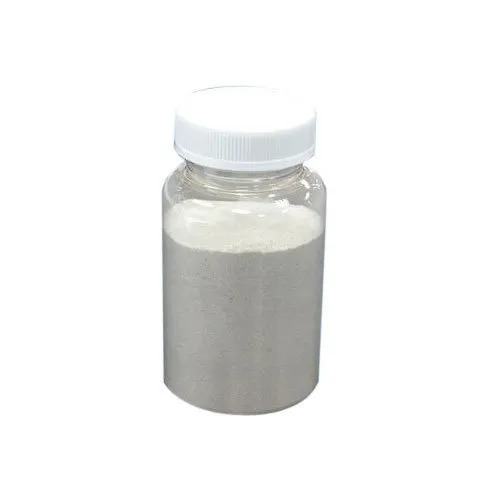
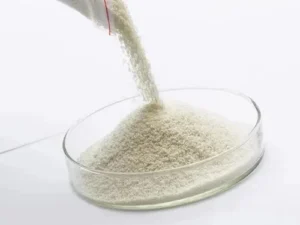
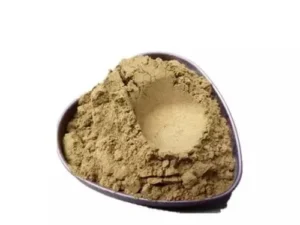
Physical form: Spray-dried powder; off-white to beige granulate.
-
Particle size: D50 typically 50–200 µm (adjustable milling available).
-
Bulk density: 0.35–0.70 g/mL (packaging-dependent).
-
Moisture content: ≤ 6% (controlled to preserve activity).
-
Stability: Retains ≥ 90% activity after 6 months at 4–8°C; thermostable variants rated for repeated exposure up to 70°C for process durations.
-
pH range: Effective activity from pH 3.5–7.5; engineered formulations extend usable range to pH 2.5–9.0.
-
Solubility/dispersion: Rapid dispersibility in aqueous process streams with anti-foaming and anti-caking excipients as required.
-
Contaminant profile: Endotoxin, heavy metals, and microbial contaminants controlled to industrial specifications; certificates of analysis (CoA) supplied with each shipment.
-
Packaging options: 25 kg fiber drums with inner liners; 500 kg IBC bags; 1,000 kg bulk tote; options for nitrogen-flushed, moisture-barrier packaging for extended shelf life.
-
Shelf life: Standard formulation 12 months at 4–8°C; 6 months at ambient (≤ 25°C). Extended shelf-life (18–24 months) available for stabilized formulations.
-
Regulatory support: Safety data sheet (SDS), CoA, technical data sheet (TDS), and OEM integration guides provided.
-
Core Industrial Applications
-
Biofuels and renewable chemicals: Rapid saccharification of cellulosic feedstocks to glucose for fermentation or chemical catalytic upgrading; enables higher sugar yields with lower enzyme loading compared with legacy cocktails.
-
Pulp & paper: Targeted hydrolysis of hemicellulose residues to improve pulping efficiency, fiber modification, and bleaching reduction—delivering energy and chemical savings in mill operations.
-
Textile and fiber processing: Enzymatic treatment for bio-polishing and fiber finishing, reducing harsh chemical use and improving fabric hand and dye uptake consistency.
-
Food ingredients and nutraceuticals: Controlled conversion of glycosides to release aglycones or oligosaccharides, improving flavor, bioavailability, and process yields under GMP-grade variants.
-
Specialty chemical synthesis: Selective cleavage of glycosidic bonds in complex substrates to generate high-value intermediates used in flavors, fragrances, and pharmaceuticals.
-
Why better than alternatives:
-
Higher catalytic density and faster turnover than crude enzyme cocktails, reducing enzyme dosing and cost per unit product.
-
No live cells—simpler regulatory pathway, lower contamination risk, and fewer downstream separation requirements.
-
Engineered stability enables operation at higher temperatures and broader pH, shortening reaction times and increasing reactor throughput.
-
Tailored blends and on-demand customization deliver better conversion selectivity and reduce byproduct formation versus off-the-shelf enzymes.
-
-
Competitive Advantages
-
Quality consistency: Manufactured under controlled bioprocessing protocols with batch-to-batch potency verification and traceable CoAs.
-
Supply reliability: Multi-site production footprint and strategic inventory positioning to support continuous supply for large-scale industrial programs.
-
Logistics capability: Configurable packaging, temperature-controlled shipping options, and global freight partnerships to meet just-in-time (JIT) or bulk delivery schedules.
-
Price competitiveness: Lower total cost of operation through reduced enzyme loading, improved yields, and process time reduction; volume-tiered pricing and contract frameworks for strategic sourcing.
-
Sustainability benefits: Enables milder process conditions (lower energy, reduced chemical consumption), supports circular feedstock utilization, and reduces process waste compared to chemical hydrolysis routes.
-
Technical support: Dedicated industrial enzyme application team offering process optimization, lab- and pilot-scale testing, enzyme dosing protocols, and integration engineering documentation.
-
Documentation & compliance: Full SDS, CoA, TDS, allergen statements (if required), and support for regulatory filings and audits.
-
Commercial & Supply Information
-
Minimum order quantity (MOQ): BULK 20 MT
-
Typical loading capacity:
-
20 ft container: up to 18–20 MT (packaging-dependent)
-
40 ft container: up to 24–26 MT (packaging-dependent)
-
20 MT per full 20 ft shipment typically fulfilled as single-container bulk or split across multiple IBCs for palletized shipments
-
-
Lead time: Standard lead time 6–8 weeks for production; expedited options available with premium freight and standing contract.
-
Customization: Activity titers, thermostability, pH profile, and packaging can be tailored under contract manufacturing agreements (minimums may apply).
-
Commercial terms: Price quotations provided FOB port or DDP on request; long-term supply agreements and consignment stock options available for strategic partners.
Reviews
There are no reviews yet.