
Description
1. Product Overview
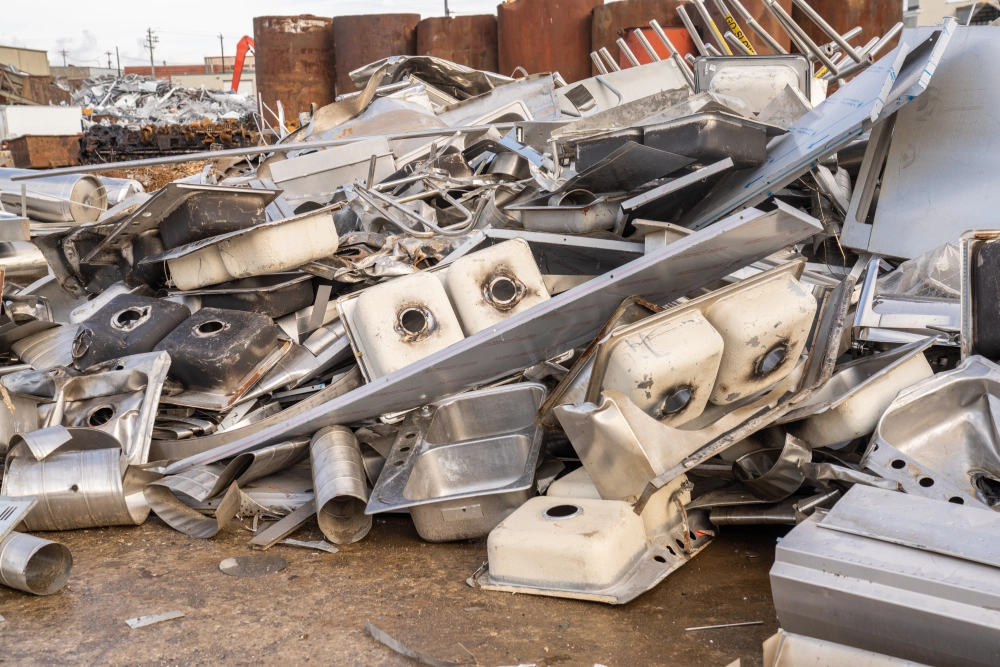
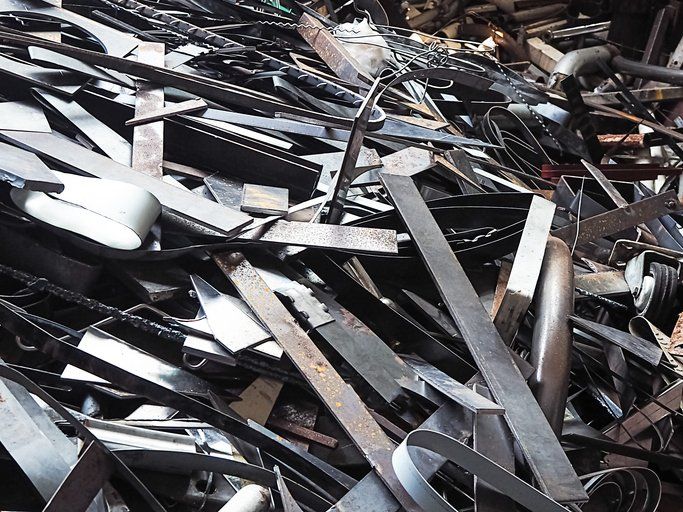
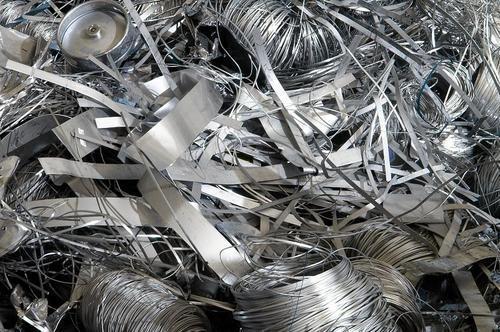
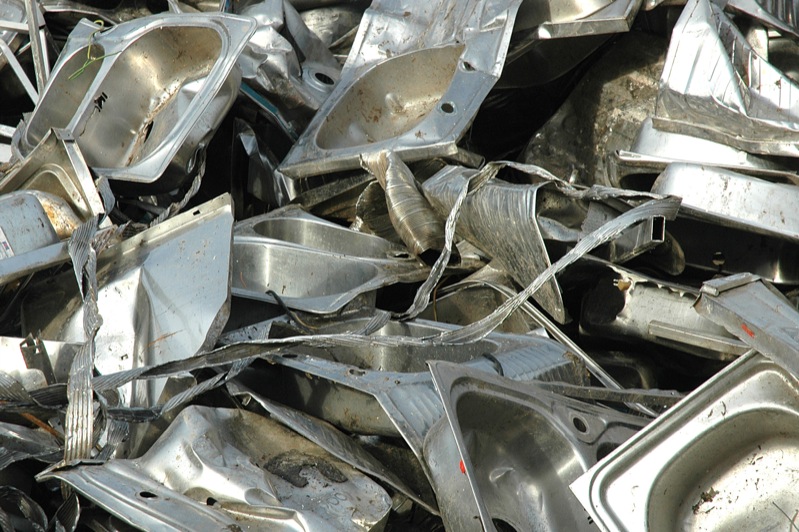
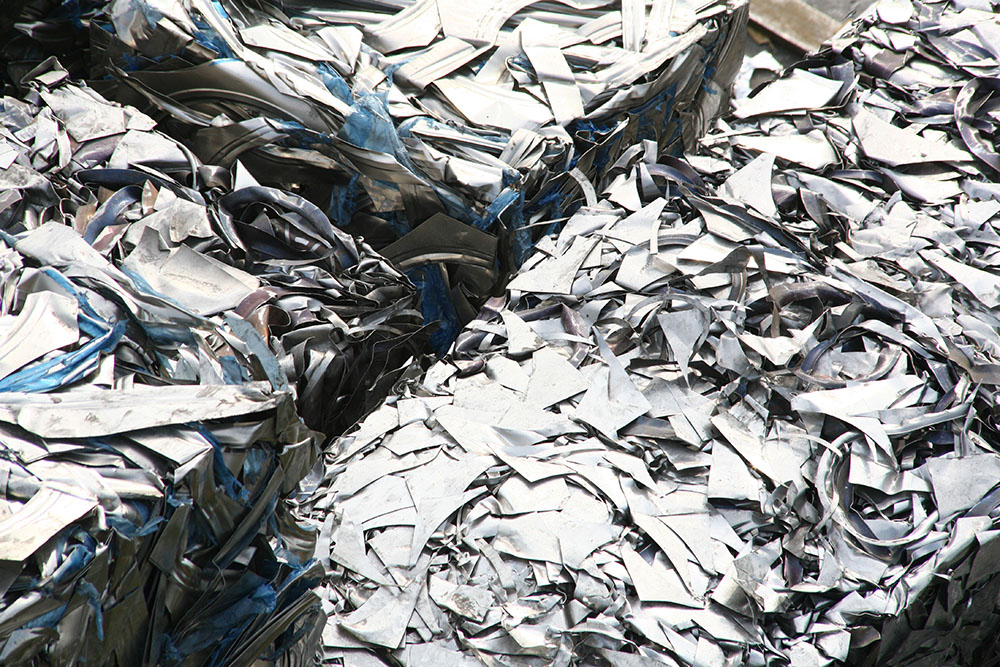
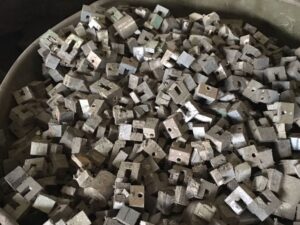
This product consists of high-grade, segregated stainless steel scrap, primarily derived from industrial fabrication, decommissioned process equipment, and certified supply chains. It is specifically processed for remelting in electric arc furnaces (EAF) and induction furnaces to produce new stainless steel coils, bars, and castings. The key value proposition is predictable metallurgical yield, low residual element content, and rapid melting characteristics, directly reducing melt shop energy costs and alloying expenses. Strategically, this scrap is critical for mills aiming to lower CO₂ intensity versus virgin nickel-chrome production while securing stable secondary raw material arbitrage in volatile global markets.
2. Key Specifications & Technical Characteristics
-
Chemical Composition (by grade):
-
304: Cr 18–20%, Ni 8–10.5%, C ≤0.08%, Si ≤1%, Mn ≤2%, P ≤0.045%, S ≤0.03%
-
316: Cr 16–18%, Ni 10–14%, Mo 2–3%, C ≤0.08%
-
430: Cr 16–18%, C ≤0.12%, Ni ≤0.75%
-
-
Purity level: 99.5% metallic fraction; max 0.5% combined free iron, dirt, or non-ferrous attachments.
-
Physical characteristics: Shredded and bundled (density 1.2–1.8 t/m³); piece size 50–300 mm; color: bright silver to dark mill scale (per heat exposure).
-
Packaging options: 1.5–2.0 MT steel banded bales; 20 MT loose bulk in open-top containers; 500 kg poly-woven sacks for specialty foundries.
-
Shelf life: Unlimited when stored dry; no oxidation degradation within 24 months under cover.
3. Core Industrial Applications
-
Primary industries: Stainless steel mini-mills; specialty alloy foundries; automotive catalyst substrate manufacturers; petrochemical valve & flange casters.
-
Specific use cases:
-
Charge optimization in EAF for 300-series flat-rolled products (reduces ferronickel consumption by up to 35%).
-
Remelting for precision investment castings (pump housings, exhaust manifolds) where trace copper <0.2% is mandatory.
-
Dilution of carbon steel residues in high-chrome alloy production.
-
-
Performance advantage: Uniform bale geometry enables automated scrap loading systems, cutting melt cycle time by 8–12% versus mixed scrap. Lower phosphorus and sulfur content reduces slagging agent costs by ~$8/MT.
4. Competitive Advantages
-
Quality consistency: Every lot is spectrograph-tested; certificate of analysis (CoA) provided within 24 hours of loading.
-
Supply reliability: Contracted sourcing from three OECD-based dismantling yards; 98.7% on-time delivery record over 18 quarters.
-
Logistics capability: Port-to-port fixed-rate freight agreements (Rotterdam, Houston, Busan, Jebel Ali).
-
Price competitiveness: Formula-based quarterly pricing linked to LME nickel + ISRI scrap differential – no opaque spot premiums.
-
Sustainability: 100% recycled content; each MT purchased avoids 4.2 MT CO₂e vs. virgin stainless production. Certified under ISO 14021.
-
Technical support: Dedicated metallurgical engineer for melt shop trials; custom blending ratios provided on request.
5. Commercial & Supply Information
-
Minimum order quantity (MOQ): BULK 20MT (twenty metric tons) per grade, single delivery.
-
Loading capacity: 20 MT per 20-foot dry container (baled); 25 MT per 40-foot open-top container (loose).
Reviews
There are no reviews yet.