
Description
1. Product Overview
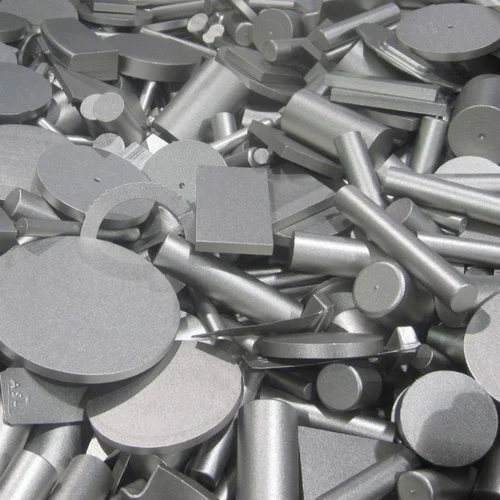
Titanium Scrap represents a high-value secondary raw material derived from end-of-life components, production off-cuts, and rejected aerospace or industrial-grade stock. It is primarily used by secondary smelters, master alloy producers, and foundries to remelt into lower-cost titanium products for the chemical processing, automotive, and consumer goods sectors. The key value proposition is enabling a 30–50% cost reduction versus virgin titanium sponge while retaining over 95% of the metal’s corrosion resistance and strength-to-weight properties. Strategically, it is critical in a volatile titanium market, offering supply chain resilience, reduced carbon footprint, and price stability for high-volume industrial buyers.
2. Key Specifications & Technical Characteristics
-
Chemical Composition: Primarily Ti (balance ≥ 90–95%), with residual alloying elements (Al, V, Fe, Sn, Zr) depending on grade; low inclusion limits (Ni, Cr, Mo ≤ 0.3% each)
-
Purity / Grade: Mixed Ti scrap (Grade 1–5), clean turnings, solids, or sorted alloy scrap (e.g., Ti-6Al-4V); hydrocarbon and moisture-free
-
Physical Characteristics:
-
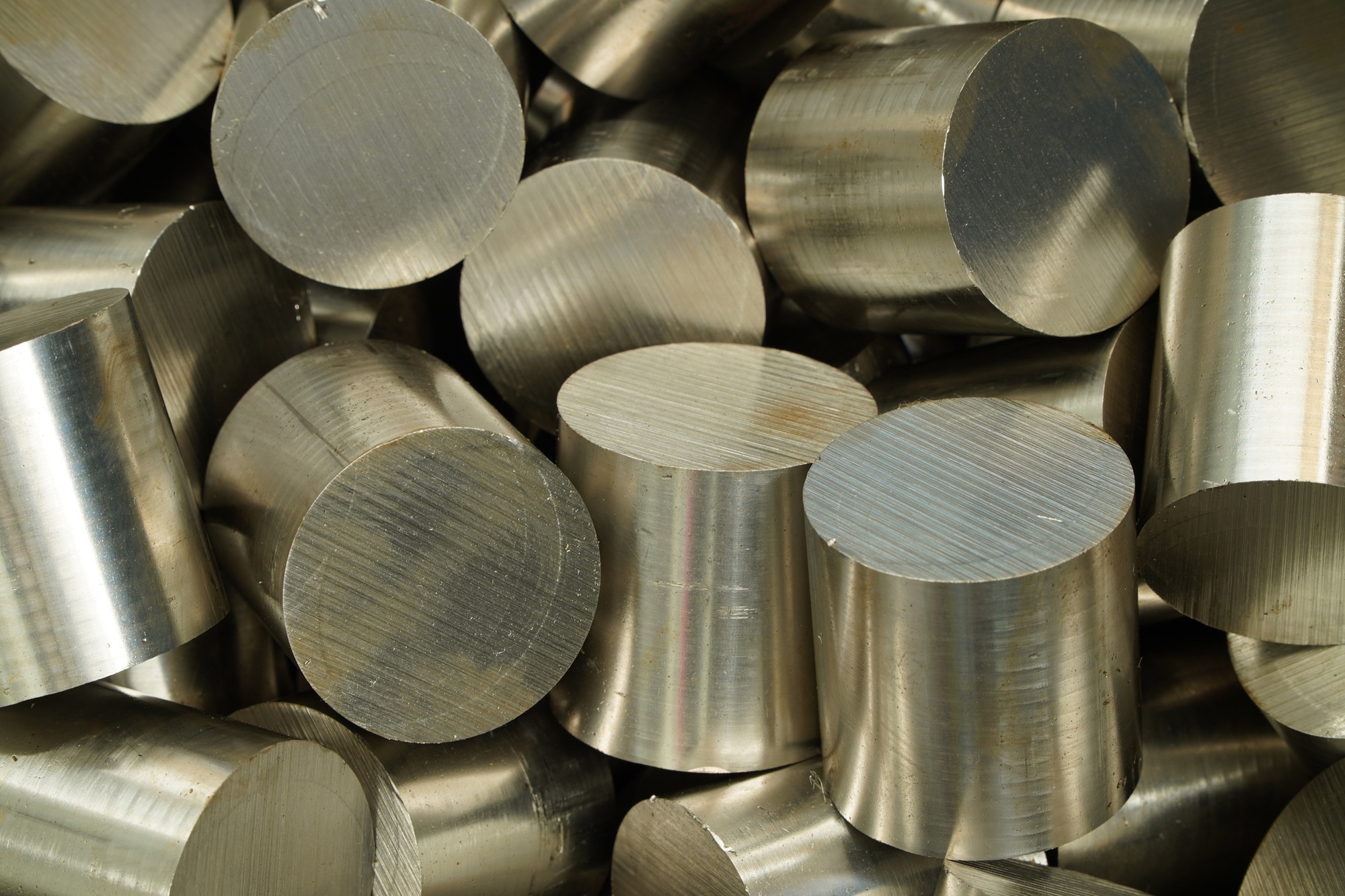
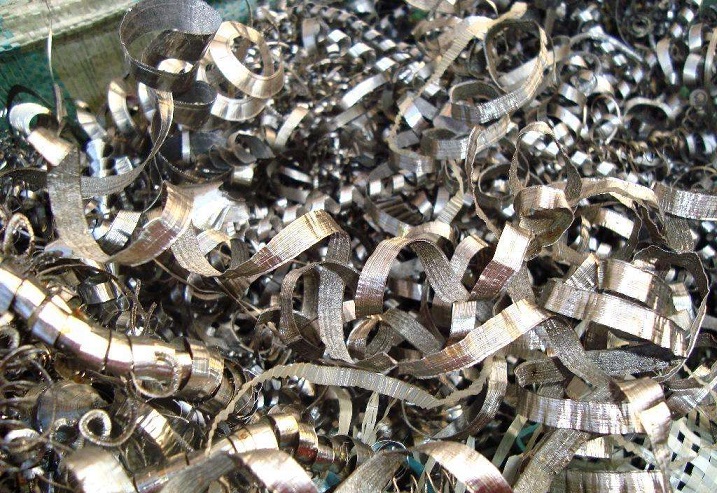
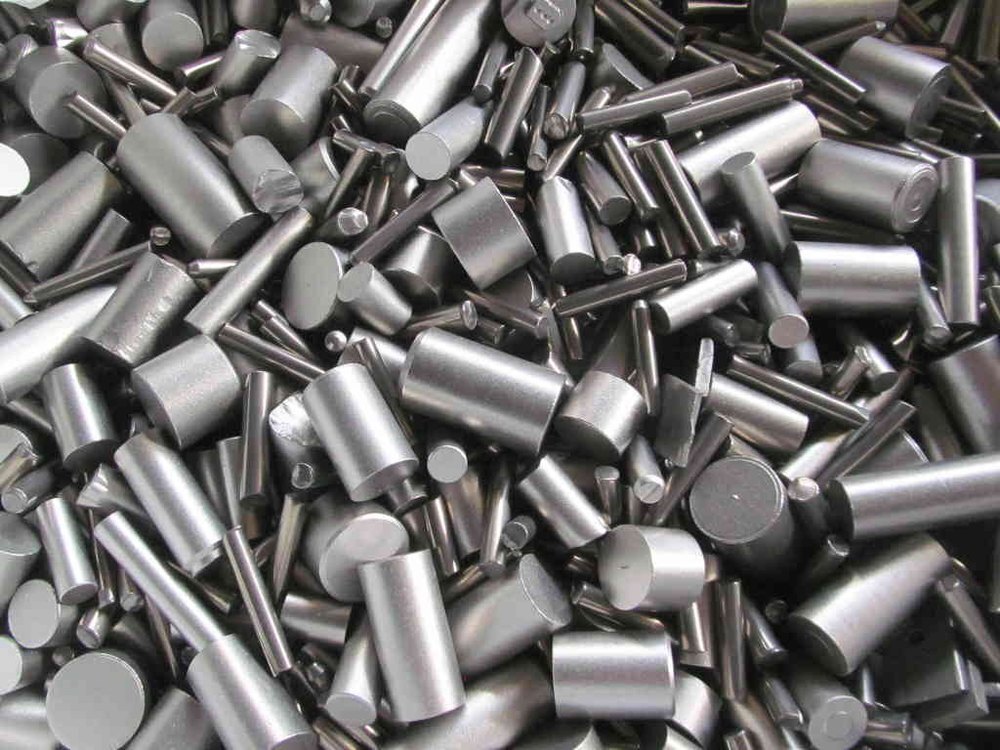
Form: Shredded turnings, briquetted chips, cut solids, or loose bundles
-
Color: Metallic silver-grey
-
Size: 2–50 mm (chips/turnings) or up to 300 mm (solids)
-
Density: Bulk density 0.8–1.5 t/m³ (varies by form)
-
-
Packaging Options: 1–2 MT steel drums, 500 kg polywoven bags, or loose container loading
-
Shelf Life: Indefinite when stored in dry, covered conditions; no chemical degradation
3. Core Industrial Applications
-
Aerospace & Defense Remelting: Used as return scrap in vacuum arc remelting (VAR) for non-critical structural components, reducing raw material spend by up to 40% for counterweights, brackets, and landing gear hardware.
-
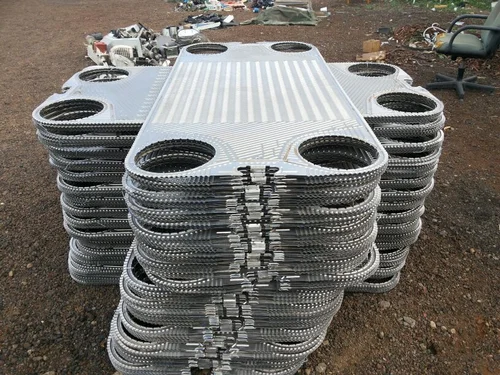
Chemical Processing Equipment: Melted into titanium plates and pipes for heat exchangers, reactors, and desalination units — outperforms stainless steel in chloride corrosion resistance with half the weight.
-
Master Alloy Production: Added to aluminum and steel melts to introduce titanium content for grain refinement; superior dissolution rates vs. bulk titanium due to high surface area.
-
Automotive Lightweighting: Secondary titanium from scrap is cost-effective for exhaust systems, valve springs, and connecting rods in high-performance vehicles — achieves 40% weight savings over steel at 60% of virgin titanium cost.
4. Competitive Advantages
-
Quality Consistency: Every shipment is XRF-screened and certified for alloy composition; oxide and contamination levels guaranteed ≤ 0.5% by weight.
-
Supply Reliability: Long-term contracts with demolition partners and aerospace manufacturing plants ensure 2,000+ MT monthly availability across grades.
-
Logistics Capability: Global network with pre-cleared customs documentation (HS code 8108.30) and containerized shipping from regional hubs (North America, EU, Asia).
-
Price Competitiveness: Priced daily off London Metal Exchange titanium reference, with volume discounts up to 12% for committed quarterly offtake.
-
Sustainability: 100% post-industrial or post-consumer recycled content; each MT of scrap avoids 8.5 MT CO₂ equivalent versus virgin sponge production.
-
Technical Support: Full lot traceability, Certificate of Analysis (CoA), and metallurgical advisory for melt recipe optimization.
5. Commercial & Supply Information
-
Minimum Order Quantity (MOQ): BULK 20MT (one 20-foot container equivalent)
-
Loading Capacity:
-
20′ standard container: 20–22 MT (turnings / chips)
-
40′ high-cube container: 22–24 MT (solids)
-
(Exact weight depends on form factor and density)
-
Reviews
There are no reviews yet.