
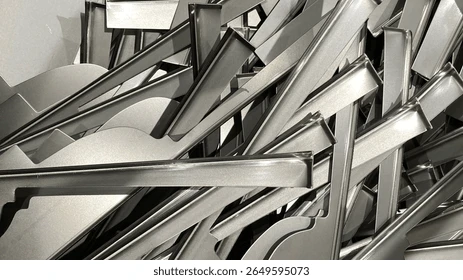
Description
1. Product Overview
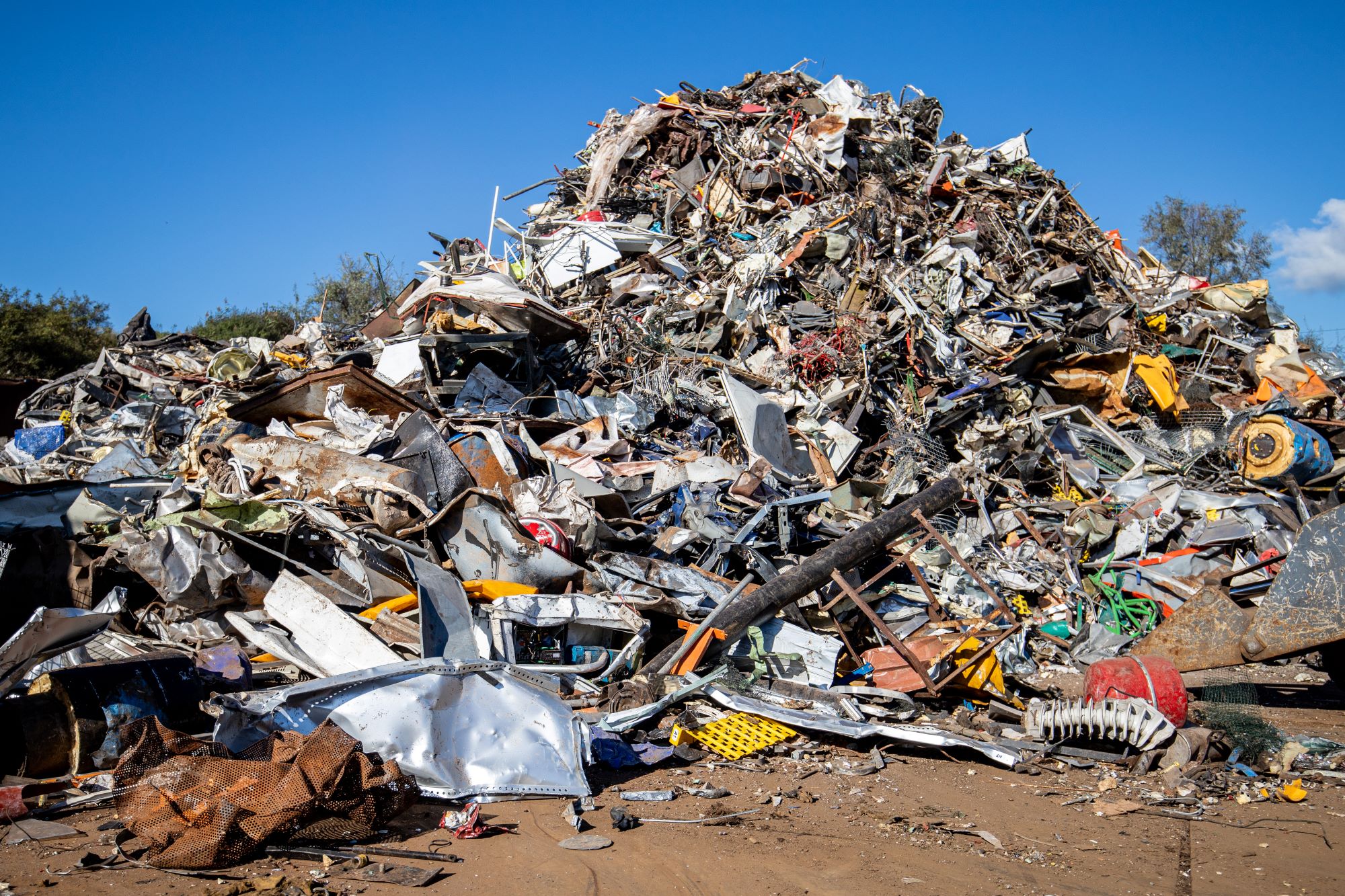
Automotive Steel Scrap comprises high-grade ferrous residues derived from end-of-life vehicles, stamping plant trimmings, and manufacturing rejects from OEM production lines. Its primary industrial use is as a virgin-quality substitute for iron ore in electric arc furnace (EAF) and basic oxygen furnace (BOF) steelmaking, enabling circular production of flat steel, rebar, and structural sections. The key value proposition is a consistent, low-residual melt stock that reduces energy consumption by up to 74% versus primary steelmaking while lowering CO₂ emissions per ton of crude steel. Strategically, this product is critical for global steel mills transitioning toward net-zero targets and securing stable, trade-compliant secondary raw materials amid volatile primary iron markets.
2. Key Specifications & Technical Characteristics
-
Chemical Composition (by grade):
-
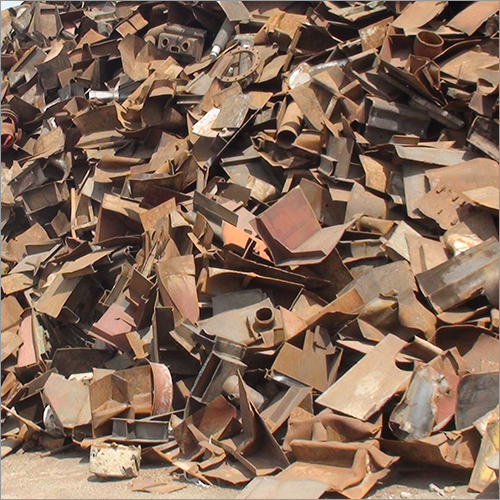
HMS 1&2 (80:20): Fe content ≥92%; S ≤0.04%; P ≤0.05%; Cu ≤0.25%; Sn ≤0.010%
-
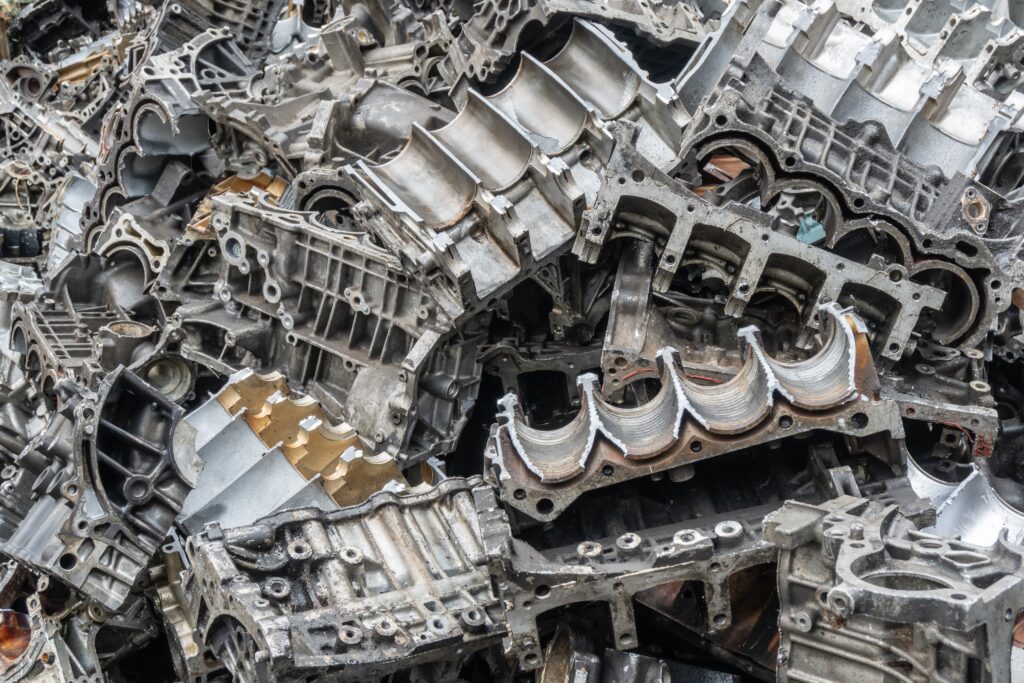
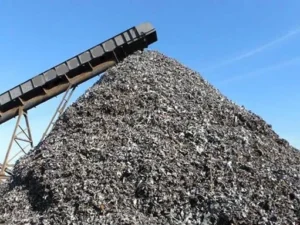
Shredded: Bulk density ≥1.2 t/m³; deleterious elements ≤0.10% aggregate
-
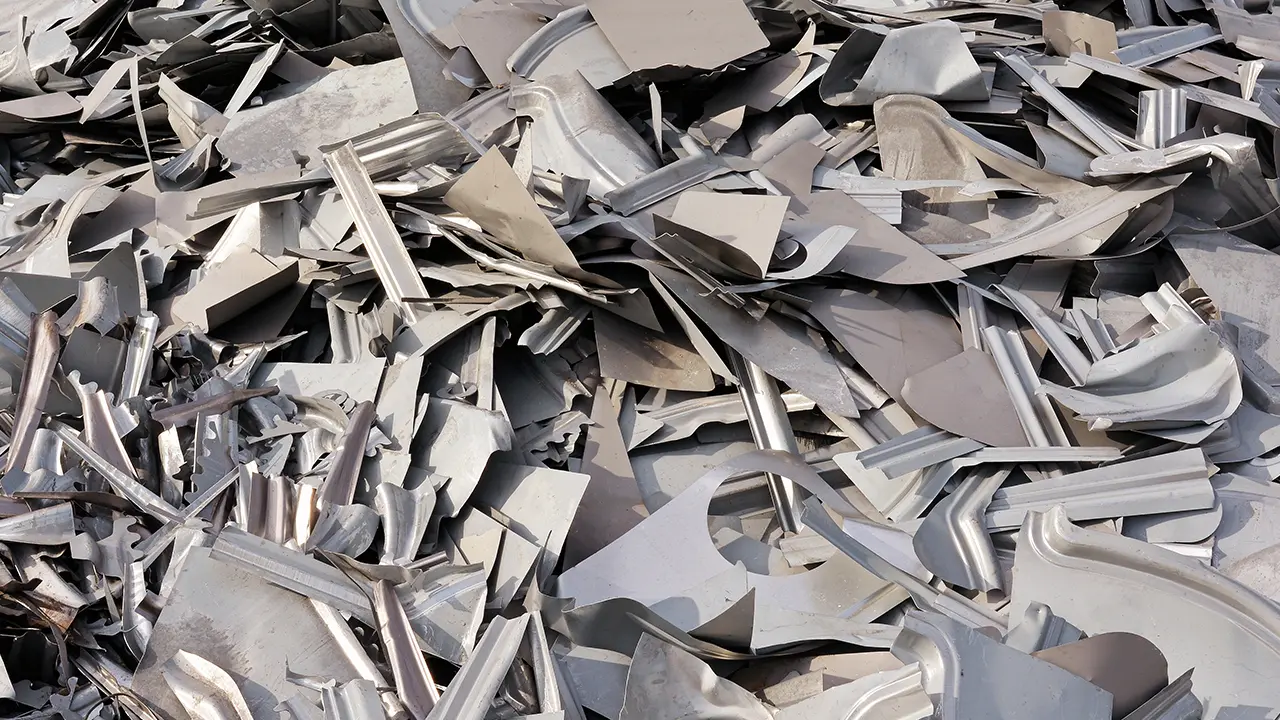
Busheling: Low-residual (<0.10% Cu, <0.02% Sn); suitable for flat-rolled sheet
-
-
Purity Level / Grade: ISRI 200–206 (HMS), ISRI 211 (Shredded), ISRI 222 (Busheling); meets EU/REACH, Turkish, and Indian scrap import standards
-
Physical Characteristics:
-
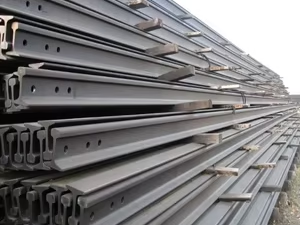
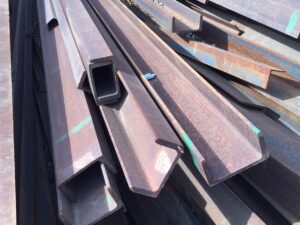
Form: Prepared sheared pieces (30cm x 60cm max), shredded fist-sized fragments, or pressed bales
-
Color: Metallic grey with minor surface oxidation
-
Bulk density: 0.8–1.6 t/m³ depending on grade
-
Moisture: <0.5% free water (non-detrimental to melt yield)
-
-
Packaging Options: Loose loaded in break-bulk vessels; containerized (20’ GP); or compacted bales (300–500 kg) for efficient logistics
-
Shelf Life: Indefinite when stored away from standing water, chlorides, and extreme salinity; no chemical degradation over time
3. Core Industrial Applications
-
Primary industries: Electric arc furnace (EAF) mini-mills, integrated BOF steel plants, foundries, and ferroalloy producers
-
Specific operational use cases:
-
Flat-rolled automotive sheet production: Busheling scrap yields near-virgin steel for exposed body panels
-
Construction rebar & merchant bars: HMS and shredded scrap as cost-optimized charge mix
-
Specialty alloy manufacturing: Controlled-residual scrap for gear steels and pipeline grades
-
-
Performance advantages: Consistent chemistry reduces flux consumption by 12–18% compared to mixed demolition scrap. Higher bulk density (≥1.2 t/m³ for shredded) increases charge weight per basket, cutting tap-to-tap time by 8–10 minutes per heat. Lower copper/tin residuals prevent surface cracking in hot-rolled coils, reducing reject rates.
-
Efficiency / cost advantages: Melts with 15–20% lower electrical energy per ton versus low-density scrap; yields ≥92% liquid steel versus 88–90% from field scrap.
4. Competitive Advantages
-
Quality consistency: ISO 9001:2025 certified sourcing; every shipment includes third-party lab analysis (XRF/OES) with guaranteed residual ranges; inter-laboratory cross-check protocol
-
Supply reliability: Long-term contracts with 6 dismantling hubs and 3 shredding plants; 200,000 MT monthly capacity; force majeure-protected logistics chain
-
Logistics capability: Dedicated break-bulk berths and container stuffing stations; real-time vessel tracking with draft survey and crane-load inspection prior to sailing
-
Price competitiveness: Monthly pricing indexed to Fastmarkets MB or Platts TSI, minus agreed volume rebate (≥0.5% per 10,000 MT); no hidden demurrage or cleaning fees
-
Sustainability & environmental benefits: Each ton sold includes audited Scope 3 emissions reduction certificate (vs. virgin iron ore); compliant with EU Battery Regulation (end-of-life vehicle traceability)
-
Technical support: 24h metallurgical advisory; pre-shipment melt modeling; digital Mill Certificate + blockchain provenance for EU CBAM reporting
5. Commercial & Supply Information
-
Minimum Order Quantity (MOQ): BULK 20MT (one 20’ dry container) for containerized shipments; 500 MT for break-bulk vessel loading
-
Loading capacity:
-
20’ standard container: 20–22 MT net (grade-dependent)
-
*40’ open-top / flat-rack*: 24–26 MT
-
Break-bulk vessel: up to 25,000 MT per parcel (handysize)
-
Barge (inland waterway): 1,000–3,500 MT
-

Reviews
There are no reviews yet.