
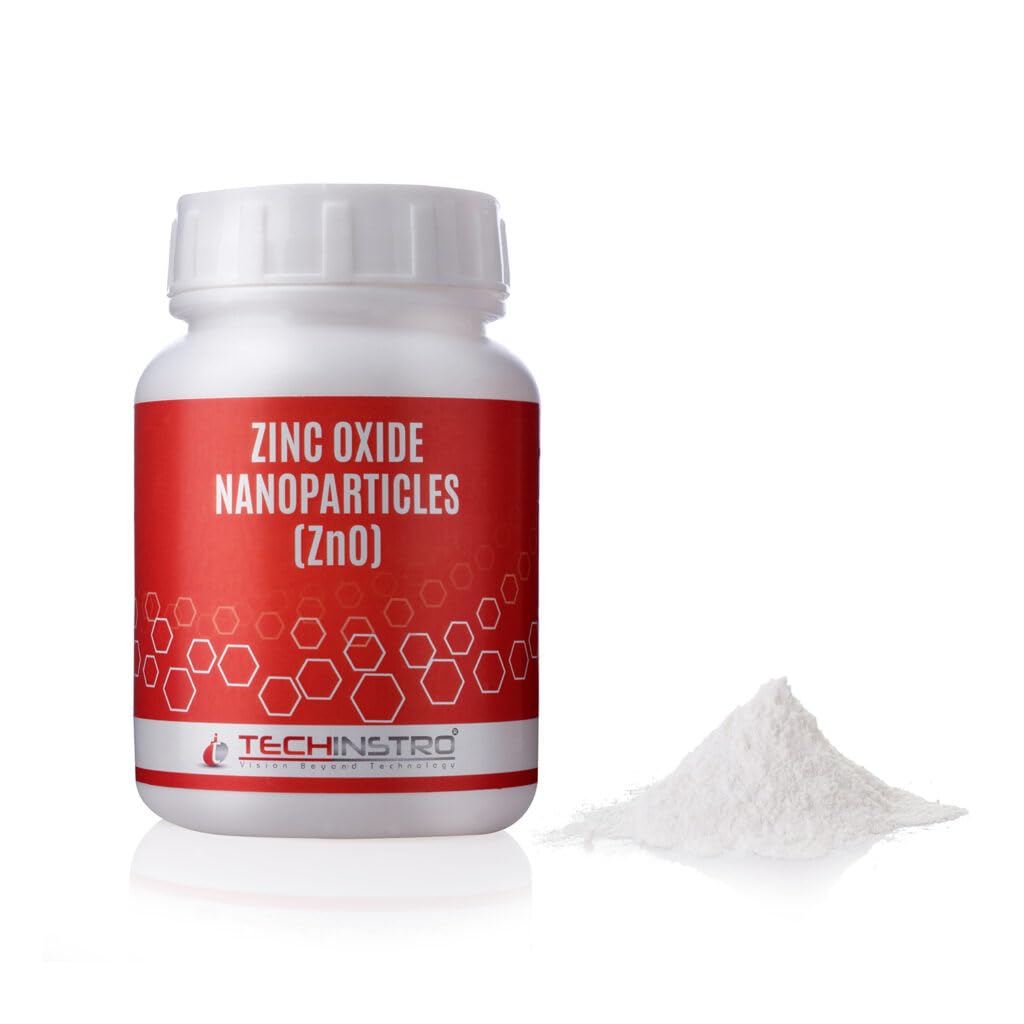
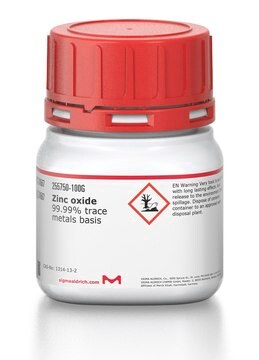
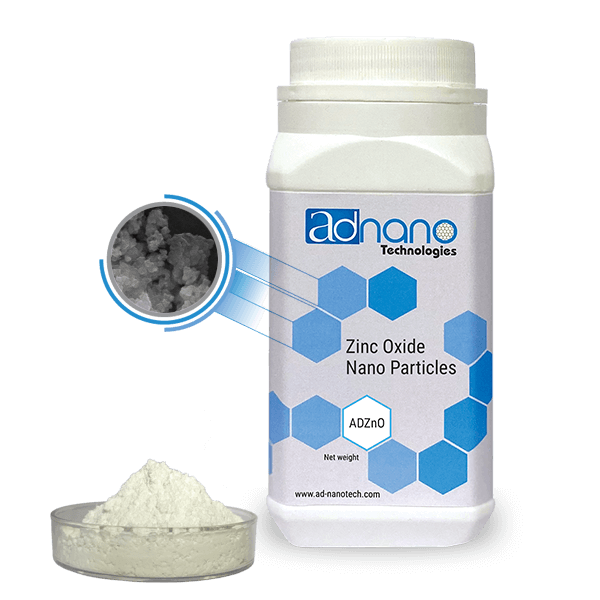
Description
1. Product Overview
Zinc Oxide Nanoparticles (ZnO NPs) are high-surface-area, engineered nanomaterials characterized by exceptional UV-blocking, antimicrobial, and photocatalytic activity. Primarily used in advanced coatings, sunscreens, rubber compounding, and electronic sensors, they deliver superior dispersion stability and functional performance compared to conventional micron-scale ZnO. As global demand for multifunctional additives in high-performance materials rises, ZnO NPs represent a strategic enabler for industries targeting regulatory compliance, product differentiation, and circular economy goals.
2. Key Specifications & Technical Characteristics
-
Chemical composition: Zinc Oxide (ZnO) – purity ≥ 99.9% trace metals basis
-
Purity grade: Pharma / Industrial Grade (option for high-purity electronic grade available)
-
Physical characteristics:
-
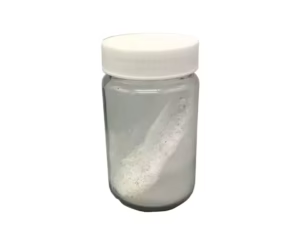
Form: White nanopowder or aqueous dispersion (20–40 wt%)
-
Particle size (D50): 20–50 nm (TEM verified)
-
Specific surface area (BET): 30–60 m²/g
-
Bulk density: 0.3–0.6 g/cm³ (loose), 0.8–1.2 g/cm³ (tapped)
-
Crystal phase: Hexagonal wurtzite
-
-
Packaging options: 25 kg anti-static lined bags, 500 kg FIBCs, or 200 L IBC totes for dispersions
-
Shelf life: 24 months when stored in sealed, dry, cool (<30°C), light-protected conditions
3. Core Industrial Applications
-
Sunscreens & personal care (Cosmetics industry): Provides transparent UV-A and UV-B protection without whitening. Outperforms TiO₂ nanoparticles in antimicrobial activity and lower photocatalytic skin reactivity when coated.
-
Antimicrobial coatings (Healthcare & packaging): Used in medical textiles, food contact surfaces, and HVAC filters. Delivers >99.9% reduction of S. aureus and E. coli – more durable than organic biocides and non-leaching.
-
Rubber & tire manufacturing: Accelerates vulcanization and improves heat dissipation. Reduces ZnO loading by 70–80% compared to conventional ZnO, lowering zinc environmental release while maintaining tensile strength.
-
Gas sensors & electronics: High surface-to-volume ratio enables ppb-level detection of NO₂, H₂S, and ethanol at lower operating temperatures (150–250°C), reducing energy consumption by 40% versus bulk ZnO.
4. Competitive Advantages
-
Quality consistency: Lot-to-lot particle size distribution control (CV < 5%) certified via ISO 17025-accredited lab; full XRD, SEM, and ICP-OES reports included.
-
Supply reliability: Dual-source manufacturing (Asia & Europe) with 5,000 MT annual capacity; safety stock held in three regional hubs (NA, EU, APAC).
-
Logistics capability: UN3077-compliant packaging; expedited air freight for samples (3–5 days) or sea freight for bulk (15–25 days).
-
Price competitiveness: Volume-tiered pricing 15–20% below EU/US nano-ZnO incumbents, achieved via proprietary flame spray pyrolysis scale-up.
-
Sustainability: 30% recycled zinc feedstock option available; zero liquid discharge manufacturing; supports downstream REACH and EPA Safer Choice compliance.
-
Technical support: Dedicated application engineering team providing dispersion protocols, safety data sheets (SDS) in 12 languages, and formulation compatibility testing.
5. Commercial & Supply Information
-
Minimum order quantity (MOQ): 25 kg (powder) / 100 kg (dispersion)
-
BULK 20MT loading capacity: 20 metric tons per 20-ft container (powder, packed in 500 kg FIBCs)
-
Loading per container (dispersion): 18 MT per 20-ft container (200 L IBCs, palletized)


Reviews
There are no reviews yet.