
Description
- Product Overview
Polycarbonate resin is a high-performance thermoplastic polymer known for its exceptional impact resistance, optical clarity, and thermal stability. It is widely used across automotive, electronics, construction, and consumer goods industries where durability and precision are critical. The material delivers a superior balance of strength and transparency, making it a preferred alternative to glass and standard plastics. Its strategic importance lies in its role as a lightweight, high-strength engineering material supporting advanced manufacturing and product innovation globally. - Key Specifications & Technical Characteristics
- Chemical composition: Polycarbonate (PC), primarily bisphenol-A based polymer chains
- Grade: Industrial / Optical / Injection molding / Extrusion grades available
- Purity level: ≥ 99% polymer content (commercial grade dependent)
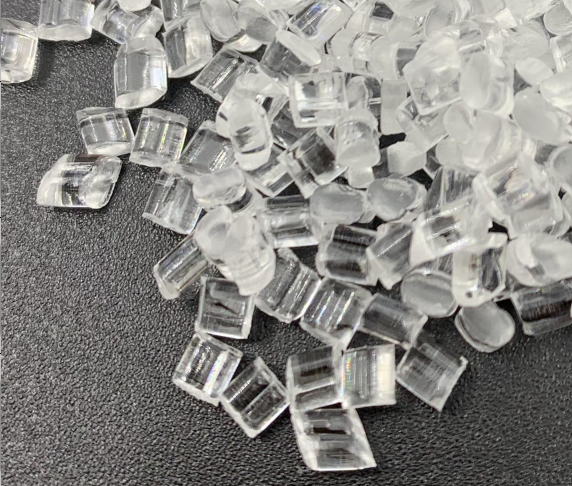
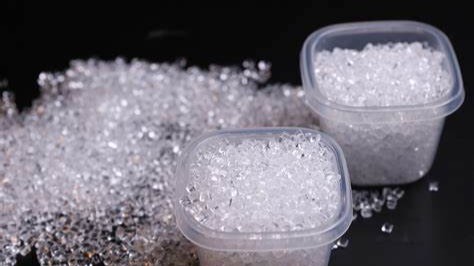
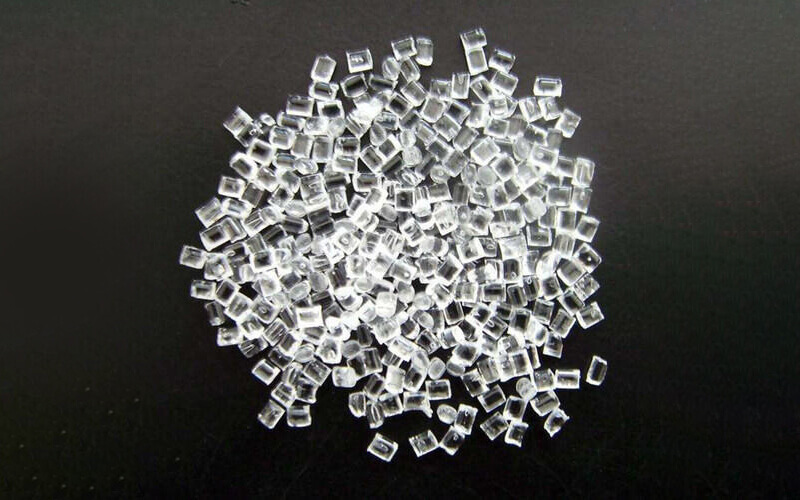
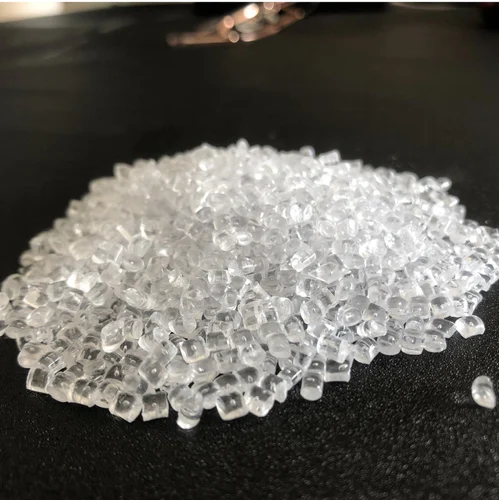
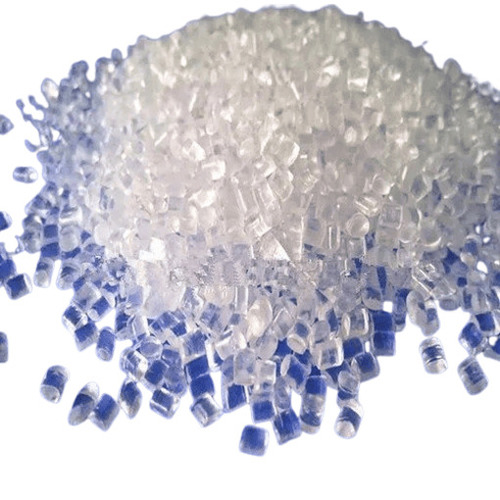
- Physical form: Transparent or natural-colored pellets (granules)
- Density: ~1.20–1.22 g/cm³
- Melt flow index: Varies by grade (typically 3–30 g/10 min)
- Thermal resistance: High heat resistance up to ~120–140°C continuous use
- Optical properties: High light transmission (up to ~88–90% for optical grades)
- Packaging: 25 kg laminated PE bags, jumbo bags, or bulk container lining
- Shelf life: 24 months under dry, cool, and UV-protected storage conditions
- Core Industrial Applications
Polycarbonate resin is extensively used in automotive manufacturing for headlamp lenses, interior components, and glazing systems due to its impact resistance and lightweight properties. In the electronics sector, it is applied in housings, connectors, and insulation components requiring dimensional stability and flame resistance. In construction, it is used for roofing sheets, safety glazing, and architectural panels where transparency and durability are required. Compared to acrylics and standard plastics, polycarbonate offers significantly higher impact strength, better heat resistance, and longer service life, improving operational reliability and reducing replacement costs. - Competitive Advantages
- High and consistent material quality across production batches
- Stable global supply chain ensuring uninterrupted procurement
- Efficient logistics network supporting bulk and containerized shipments
- Cost-effective performance relative to engineering-grade alternatives
- Recyclable thermoplastic contributing to sustainability objectives
- Full technical documentation including COA, MSDS, and processing guidelines
- Strong engineering support for application optimization and material selection
- Commercial & Supply Information
- Minimum Order Quantity (MOQ): BULK 20MT
- Loading capacity: Approximately 20–25 MT per 20FT container depending on packaging configuration


Reviews
There are no reviews yet.