
Description
1. Product Overview
Modified Wheat Starch is a technologically enhanced starch derivative produced by physically, chemically, or enzymatically modifying native wheat starch to improve its functional performance in industrial applications. It is widely used as a thickening, stabilizing, binding, texturizing, and moisture-control ingredient across food, pharmaceutical, paper, textile, and adhesive industries. Its superior viscosity control, processing stability, and compatibility with diverse formulations provide manufacturers with improved product quality and operational efficiency. As demand increases for high-performance functional ingredients, Modified Wheat Starch remains a strategically important material for global manufacturers seeking reliable, versatile, and cost-effective solutions.
2. Key Specifications & Technical Characteristics
- Chemical Composition / Material Components:
- Primarily composed of modified wheat-derived starch polymers (amylose and amylopectin).
- May undergo cross-linking, acetylation, oxidation, hydroxypropylation, or other approved modification processes depending on application requirements.
- Gluten content and allergen specifications available according to processing standards.
- Purity Level / Grade:
- Food Grade, Pharmaceutical Grade, Industrial Grade, and Technical Grade options available.
- High starch content with controlled moisture, ash, and impurity levels.
- Manufactured according to applicable quality standards such as ISO, HACCP, GMP, or customer-specific requirements.
- Physical Characteristics:
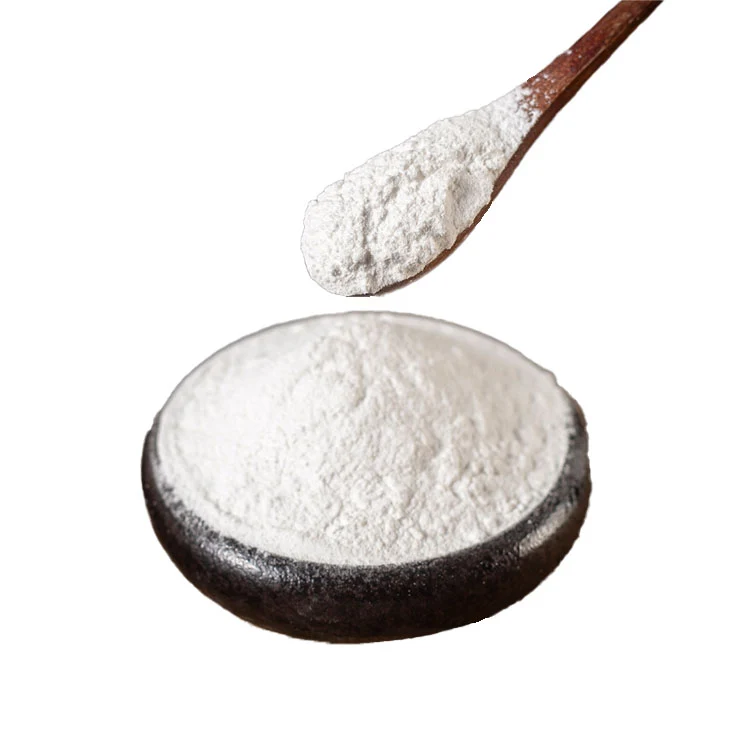
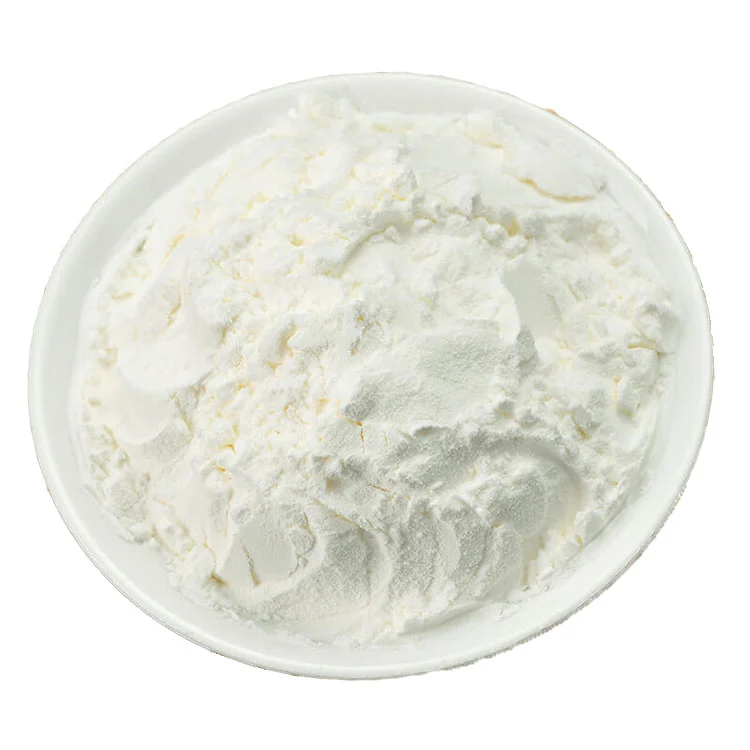
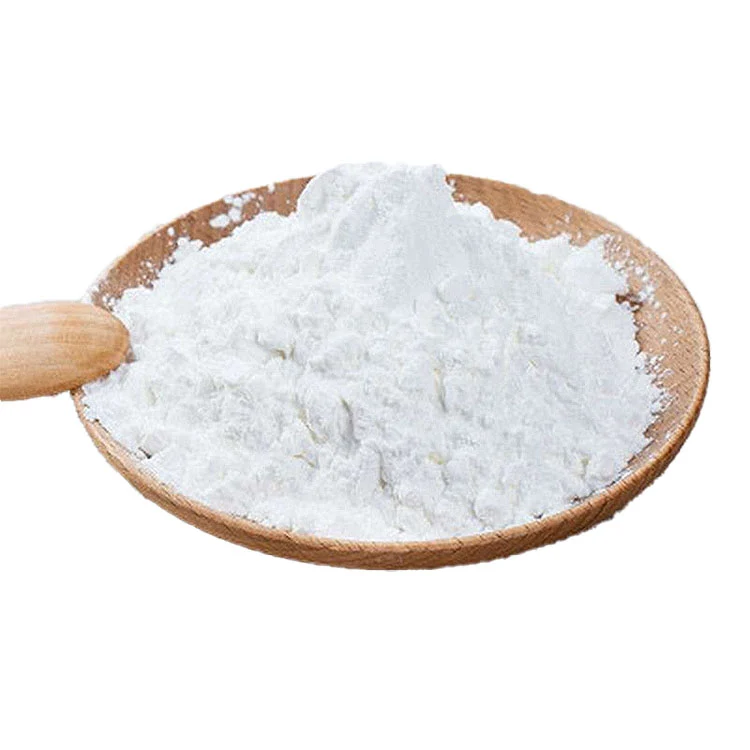
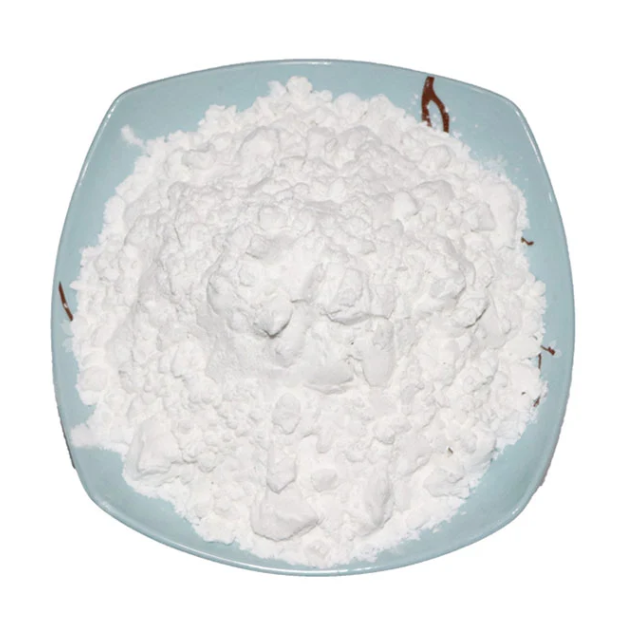
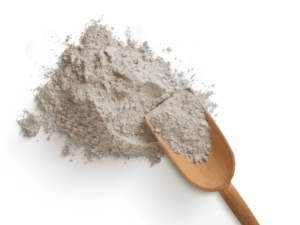
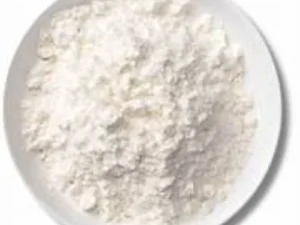
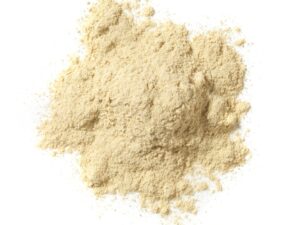
- Appearance: Fine white to off-white powder.
- Form: Free-flowing powder with uniform particle distribution.
- Particle Size: Typically controlled according to application requirements.
- Moisture Content: Generally maintained at low levels for storage stability.
- Solubility and viscosity characteristics customized based on modification type.
- Excellent thermal stability, shear resistance, and freeze-thaw stability.
- Packaging Options:
- 25 kg kraft paper bags with inner PE lining.
- 500 kg–1,000 kg bulk bags (FIBC) for industrial supply.
- Customized packaging available according to buyer specifications.
- Shelf Life:
- Typically 24 months when stored in a cool, dry environment away from direct sunlight and moisture.
3. Core Industrial Applications
- Food & Beverage Industry:
- Used as a thickener, stabilizer, binder, and texture enhancer in sauces, soups, bakery products, dairy alternatives, instant foods, and processed foods.
- Provides improved viscosity, mouthfeel, and product consistency compared with native starches.
- Pharmaceutical & Nutraceutical Industry:
- Applied as a binder, disintegrant, and controlled-release formulation aid in tablet manufacturing and healthcare products.
- Supports reliable processing performance and formulation stability.
- Paper & Packaging Industry:
- Used in surface sizing, coating, and adhesive formulations to improve paper strength, smoothness, and printability.
- Enhances production efficiency and reduces material consumption.
- Textile Industry:
- Functions as a sizing agent to improve yarn strength, abrasion resistance, and weaving performance.
- Adhesives & Industrial Manufacturing:
- Used in corrugated board adhesives, construction materials, and specialty industrial formulations requiring controlled viscosity and bonding performance.
- Performance Advantages:
- Provides greater stability under heat, acidity, mechanical stress, and storage conditions compared with conventional starch.
- Enables manufacturers to optimize formulations, reduce processing challenges, and achieve consistent finished product quality.
4. Competitive Advantages
- Quality Consistency:
- Manufactured under strict quality control systems to ensure uniform viscosity, functionality, and batch-to-batch performance.
- Supply Reliability:
- Supported by stable raw material sourcing and scalable production capacity for long-term industrial supply agreements.
- Logistics Capability:
- Available in bulk export packaging with efficient container loading solutions and international shipping support.
- Price Competitiveness:
- Offers an economical alternative to synthetic additives while delivering enhanced functional performance and processing efficiency.
- Sustainability & Environmental Benefits:
- Derived from renewable wheat-based resources and supports manufacturers seeking bio-based ingredient solutions.
- Provides opportunities for reduced reliance on petroleum-based functional additives.
- Technical Support & Documentation:
- Technical data sheets (TDS), certificates of analysis (COA), safety documentation, and application guidance available to support customer qualification and regulatory compliance.
5. Commercial & Supply Information
- Minimum Order Quantity (MOQ): BULK 20 MT
- Loading Capacity: Approximately 20–25 MT per 20-foot container (depending on packaging configuration and shipping requirements)
Reviews
There are no reviews yet.