
Description
1. Product Overview
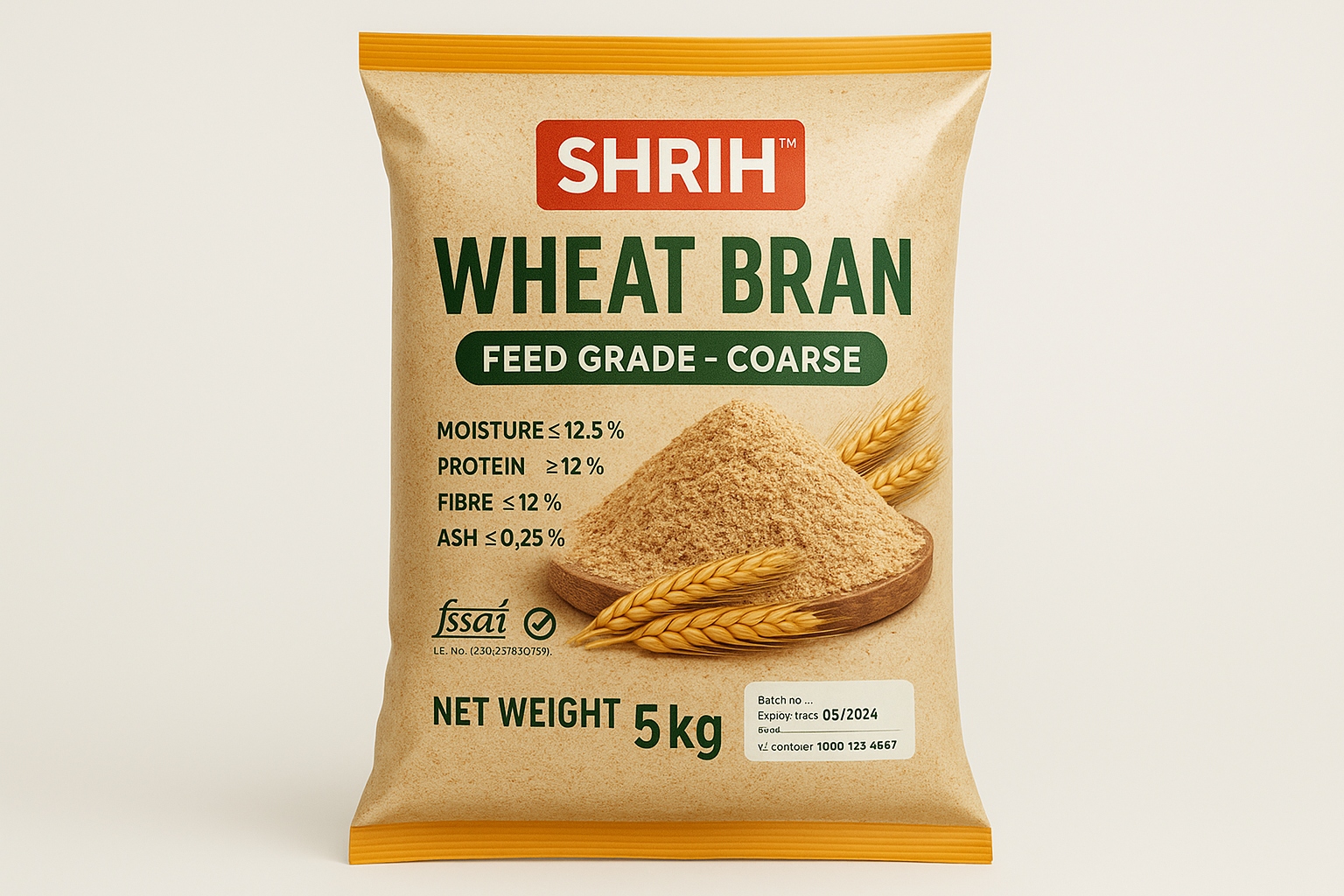
Wheat Bran (Feed Grade) is a high-fiber coproduct of the flour milling process, consisting primarily of the cereal’s outer layers. It is strategically used in compound feed and on-farm rations to regulate gut transit, enhance rumen function, and provide digestible energy. The key value proposition is its optimal balance of crude fiber, phosphorus bioavailability, and cost efficiency for large-scale animal nutrition. As global feed costs rise, wheat bran serves as a critical functional ingredient to maintain livestock performance without premium pricing.
2. Key Specifications & Technical Characteristics
-
Chemical composition (typical): Crude fiber 9–11%, crude protein 14–17%, starch 18–22%, total phosphorus 0.9–1.1% (approx. 70% phytate-bound)
-
Purity grade: Feed Grade, >98% pure wheat bran (no hulls, no fines from other cereals)
-
Physical characteristics:
-
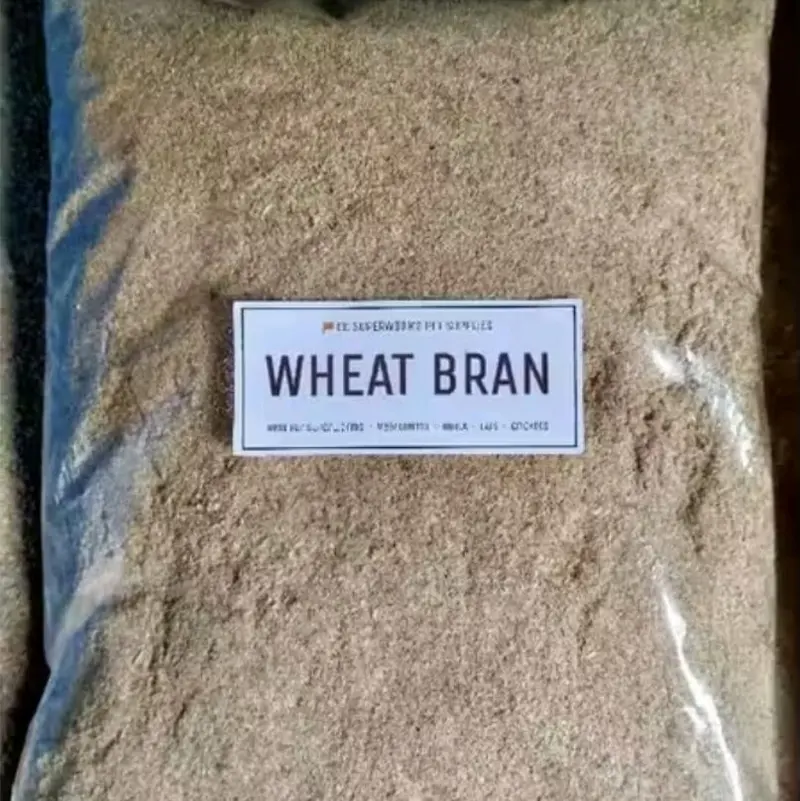
Form: Flaky to granular
-
Color: Light tan to golden brown
-
Particle size: 95% passing 2mm sieve
-
Bulk density: 250–320 kg/m³ (loose)
-
-
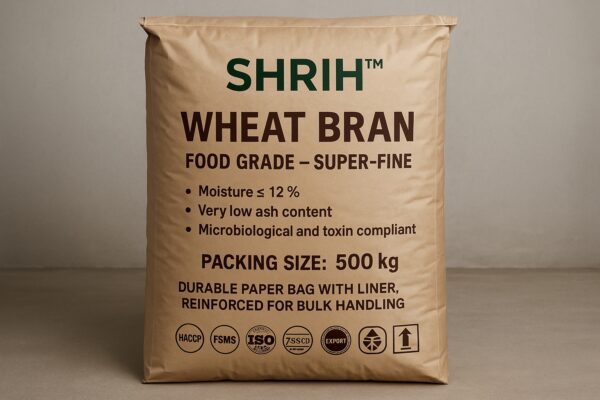
Packaging options: 25–50 kg PP woven sacks, 1–1.5 MT jumbo bags, or bulk in pneumatic tankers
-
Shelf life: 6 months when stored ≤12% moisture, <25°C, away from direct sunlight and pests
3. Core Industrial Applications
-
Dairy & ruminant feed: Used at 10–25% of total mixed ration to boost rumen fill, stimulate chewing, and prevent acidosis. Outperforms rice bran by having lower fat (less rancidity risk) and more consistent fiber structure.
-
Swine & poultry diets: Included at 5–15% to reduce constipation in sows and improve litter hygiene; superior to oat bran for uniform particle flow in automated feeding systems.
-
Aquafeed (herbivorous fish): Replaces up to 10% of energy ingredients in tilapia and carp feed, lowering formulation costs by 8–12% versus corn without compromising FCR.
-
Pet food & specialty ingredients: Acts as a natural texturizer for high-fiber extruded kibble. More cost-stable than beet pulp in regions with volatile sugar beet supply.
4. Competitive Advantages
-
Quality consistency: Every lot tested for aflatoxin (≤20 ppb), deoxynivalenol (≤5 ppm), and moisture (target 11.5% max) – certificate of analysis included per container.
-
Supply reliability: Sourced from high-volume roller mills with 52-week production contracts; no seasonal gaps.
-
Logistics capability: Pre-cleaned and conditioned for low breakage; can be containerised or bulk-vessel loaded without bridging.
-
Price competitiveness: 7–10% under EU/US spot averages for equivalent fiber specs, based on origin advantage and full backhaul utilization.
-
Sustainability: Co-product valorization (zero land-use change) with Scope 3 emissions calculation sheet available for your ESG reporting.
5. Commercial & Supply Information
-
Minimum order quantity (MOQ): 20 MT (one palletized 20’ container equivalent)
-
Loading capacity:
-
20’ dry container: 22–24 MT net (jumbo bags or 25 kg sacks)
-
40’ dry container: 24–26 MT net (pneumatic discharge not available)
-
Bulk vessel: 3,000–10,000 MT per hold
-
Reviews
There are no reviews yet.