
Description
Product Overview
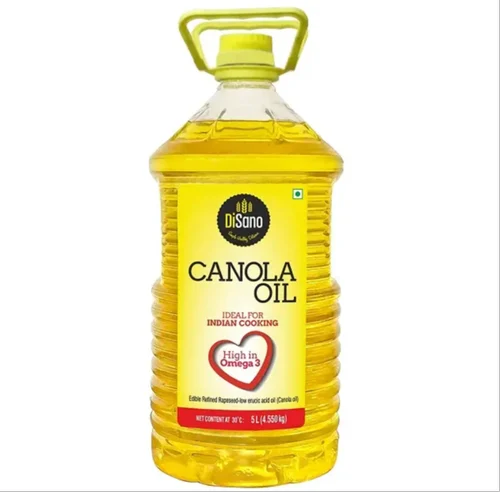
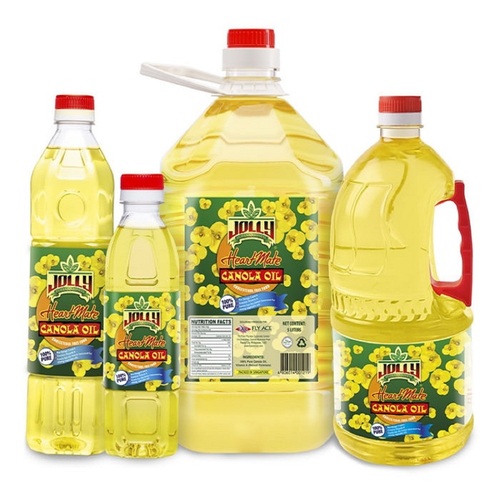
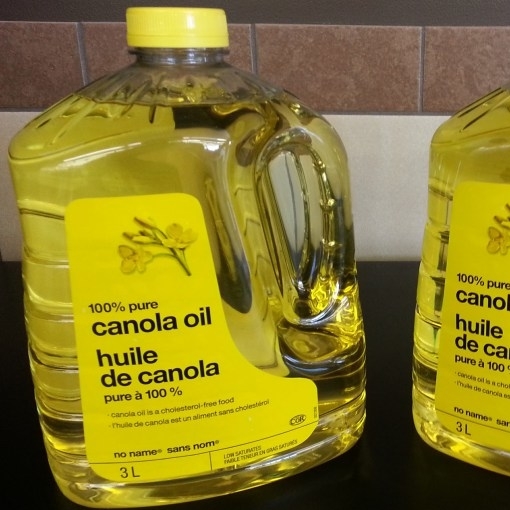
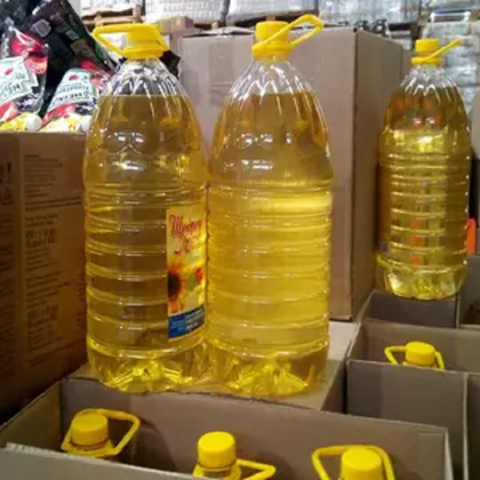
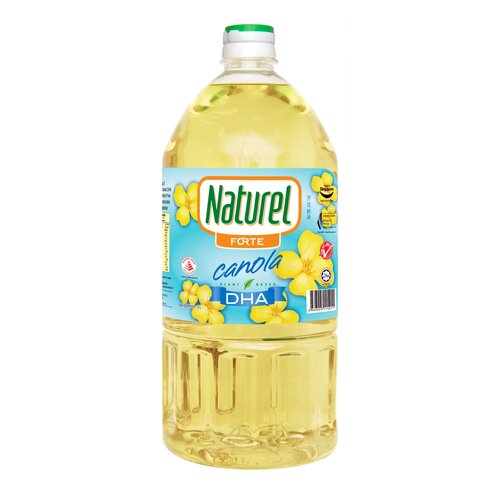
Crude Rapeseed Oil (Canola Oil) is a high-purity, low-erucic acid vegetable oil derived from specially bred rapeseed varieties, serving as a critical feedstock for biofuel production, industrial lubricants, and further refining into edible oils. Its optimal fatty acid profile—low saturated fat and high oleic content—delivers superior oxidative stability and cold-flow properties for industrial processes. As global markets pivot to renewable energy and low-carbon manufacturing, this product offers a strategically vital, cost-efficient alternative to palm and soybean oils, ensuring supply chain resilience.
Key Specifications & Technical Characteristics
-
Chemical composition: Min. 58% oleic acid (C18:1), ≤2% erucic acid, ≤7% α-linolenic acid (C18:3); free fatty acids (FFA) ≤2% as oleic
-
Purity grade: Crude degummed, non-refined; suitable for secondary processing (refining, transesterification, hydrogenation)
-
Physical characteristics: Amber-yellow liquid at 20°C; density 0.91–0.92 g/cm³; viscosity ~35 cSt at 40°C; moisture & insoluble impurities ≤0.5%
-
Packaging options: Flexitanks (20–24 MT), ISO tanks, or bulk vessel; drumming (190 kg net) available on request
-
Shelf life: 6 months in sealed, nitrogen-blanketed containers stored below 25°C away from light
Core Industrial Applications
-
Biofuels (Biodiesel & HVO): Preferred feedstock for EN 14214 and ASTM D6751 due to low cloud point (-5°C to -10°C) and high cetane number (min. 52), outperforming palm oil in cold climates
-
Industrial lubricants & hydraulic fluids: Biodegradable (≥90% in 28 days) with superior anti-wear properties compared to mineral oils
-
Oleochemicals: Fatty acids, glycerol, and methyl esters for soaps, surfactants, and rubber processing—lower production costs vs. soybean oil due to higher oil yield per hectare
-
Animal feed manufacturing: Energy-dense meal after extraction (though crude oil itself is for industrial rather than direct feed use; buyers use it for further formulation)
Competitive Advantages
-
Quality consistency: ISO 17025-tested lot traceability with ≤±0.5% FFA variance across shipments, backed by SGS or Intertek certification
-
Supply reliability: Year-round availability from Black Sea, EU, and Canadian origins with 12–15 MT/ha yield region; dual-season cropping mitigates weather risk
-
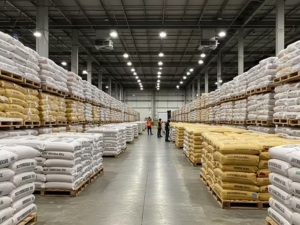
Logistics capability: Dedicated rail-to-vessel transload facilities enabling 48-hour load confirmation for bulk orders up to 30,000 MT/month
-
Price competitiveness: Linked to ICE Canola futures minus transparent discount for crude grade, plus fixed freight formulas—no hidden demurrage fees
-
Sustainability: 100% deforestation-free supply chains; ISCC EU-certified lots available for RED II compliance; 45% lower carbon footprint vs. palm oil on land-use change metrics
Commercial & Supply Information
-
Minimum order quantity (MOQ): 20 MT (one flexitank or equivalent)
-
Loading capacity: 20–24 MT per 20-foot container (flexitank); 40 MT per ISO tank container; bulk vessel capacity from 5,000 MT
Reviews
There are no reviews yet.