
Description
-
Product Overview
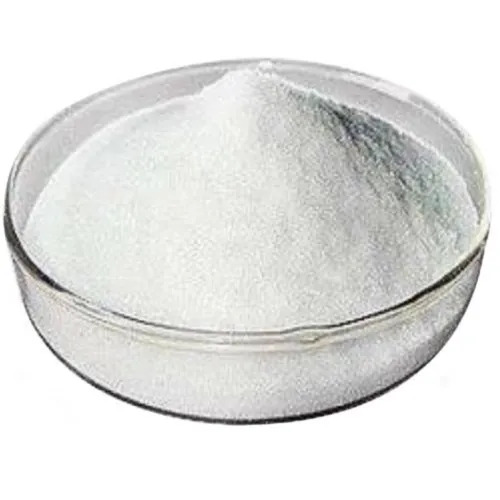
Vitamin A Palmitate is the esterified, oil‑soluble form of vitamin A supplied as a high‑purity feedstock for industrial and formulation uses. It functions as a stable source of retinol activity for food fortification, animal feed premixes, pharmaceutical and nutraceutical formulations, and select cosmetic applications. The key value proposition is its combination of high potency, oxidative stability, and formulation compatibility, enabling predictable dosing and prolonged shelf performance. Strategically, reliable Vitamin A Palmitate supply de‑risks regulatory compliance and product nutrition claims for large manufacturers and integrators across global markets. -
Key Specifications & Technical Characteristics
-
Chemical composition: Retinyl palmitate (Vitamin A palmitate), C36H60O2 primary active ingredient.
-
Purity / grade: Typical assay ≥ 98.0% (HPLC), food/pharmaceutical grade available on request.
-
Active content: Expressed in IU/g and mg/g per specification sheet (custom labeling on batch documentation).
-
Physical form: Light‑to‑amber viscous oil or oil solution depending on grade; formulations available as neat oil or carrier‑diluted solutions.
-
Color and clarity: Pale yellow to amber, clear to slightly viscous; free from sediment.
-
Solubility: Soluble in vegetable oils, ethanol, and other organic solvents; insoluble in water.
-
Specific gravity / density: Typically ~0.86–0.90 g/mL (batch dependent).
-
Stability: Antioxidant‑stabilized options available; documented oxidative stability under controlled storage.
-
Particle size: Not applicable for oil form; micronized/encapsulated variants available for dry premix applications.
-
Impurities and residual solvents: Controlled to pharmacopeial/food standards; certificate of analysis provided per batch.
-
Packaging options: 25 kg drum, 180–200 kg steel drum, ISO tank, or flexitank for bulk 20 MT loads; inner liners or nitrogen‑blanketed drums on request.
-
Shelf life: Standard 12–24 months under recommended storage (cool, dark, <25°C); accelerated stability data available.
-
Regulatory support: COA, SDS, nutritional declaration, GMP/ISO traceability documentation available upon order.
-
Core Industrial Applications
-
Food fortification: Used by large cereal, oil, and staple food manufacturers to meet national fortification standards and maintain labeled vitamin A content. Performs better than retinyl acetate in oil‑based matrices due to higher lipophilicity and stability in fat systems.
-
Animal feed premixes: Incorporated into premixes for poultry, swine, and aquaculture to deliver stable vitamin A levels; reduces batch variability versus unstable raw retinol.
-
Pharmaceutical & nutraceuticals: Active ingredient in soft gels, capsules, and liquid formulations where consistent potency and regulatory documentation are required. Encapsulated variants improve handling and dosing accuracy.
-
Cosmetics & personal care: Employed in formulations requiring retinoid activity (anti‑aging serums, topical treatments) where controlled release and oxidative stability matter.
-
Industrial formulations: Raw material for specialty intermediates and controlled‑release systems where esterified retinol provides chemical handling advantages.
Why it outperforms alternatives: superior oxidative stability in oil matrices, higher formulation compatibility across lipophilic systems, available in stabilized and encapsulated grades to reduce degradation and batch rejection; translates to lower effective cost per delivered IU and reduced quality assurance burden.
-
Competitive Advantages
-
Quality consistency: Batch release supported by HPLC assay, impurity profiling, and full COA; vendor QC aligned with food and pharma specifications.
-
Supply reliability: Production and inventory planning aligned to B2B lead times, with bulk 20 MT load capability and contract allocation for repeat buyers.
-
Logistics capability: Multiple packaging formats (drums, ISO/flexitank), nitrogen‑blanketing options, temperature‑controlled shipping coordination, and customs documentation for cross‑border distribution.
-
Price competitiveness: Bulk pricing tiers for large‑volume purchasers and contract pricing available for multi‑period commitments. Total cost of ownership analysis shows savings from reduced degradation and lower overage requirements.
-
Sustainability: Options for carrier oils with verified sustainable sourcing; waste minimization in bulk shipments and recyclable steel drum returns program available.
-
Technical support: Formulation guidance, stability data, regulatory dossiers, and on‑demand technical consultation to assist R&D and QA teams through scale‑up and product registration.
-
Commercial & Supply Information
-
Minimum order quantity (MOQ): BULK 20MT.
-
Loading capacity (MT per container): 20 MT per ISO/tank container (flexible by packaging: up to 20 MT per container; drumized loads subject to pallet/weight constraints).

Reviews
There are no reviews yet.