
Description
1. Product Overview
Vitamin A Acetate is a high-purity, stabilized esterified form of retinol, serving as a critical micronutrient supplement in animal feed, human nutrition, and pharmaceutical formulations. Its primary industrial application lies in fortifying premixes, finished feeds, and dietary products to prevent hypovitaminosis A, enhance immune function, and improve growth performance. Strategically, securing a reliable source of Vitamin A Acetate mitigates supply chain volatility—given concentrated global production—and ensures regulatory compliance, making it a non-negotiable ingredient for enterprises operating in livestock, aquaculture, and nutraceutical markets.
2. Key Specifications & Technical Characteristics
-
Chemical composition: Retinyl acetate (C₂₂H₃₂O₂); stabilized with BHT and covered starch or gelatin matrix for oxidation protection
-
Purity level / Assay: ≥ 500,000 IU/g (typically 1.0 – 1.6 million IU/g depending on grade); Feed Grade: 500,000 IU/g min; Pharmaceutical Grade: 1.0 – 1.6 million IU/g
-
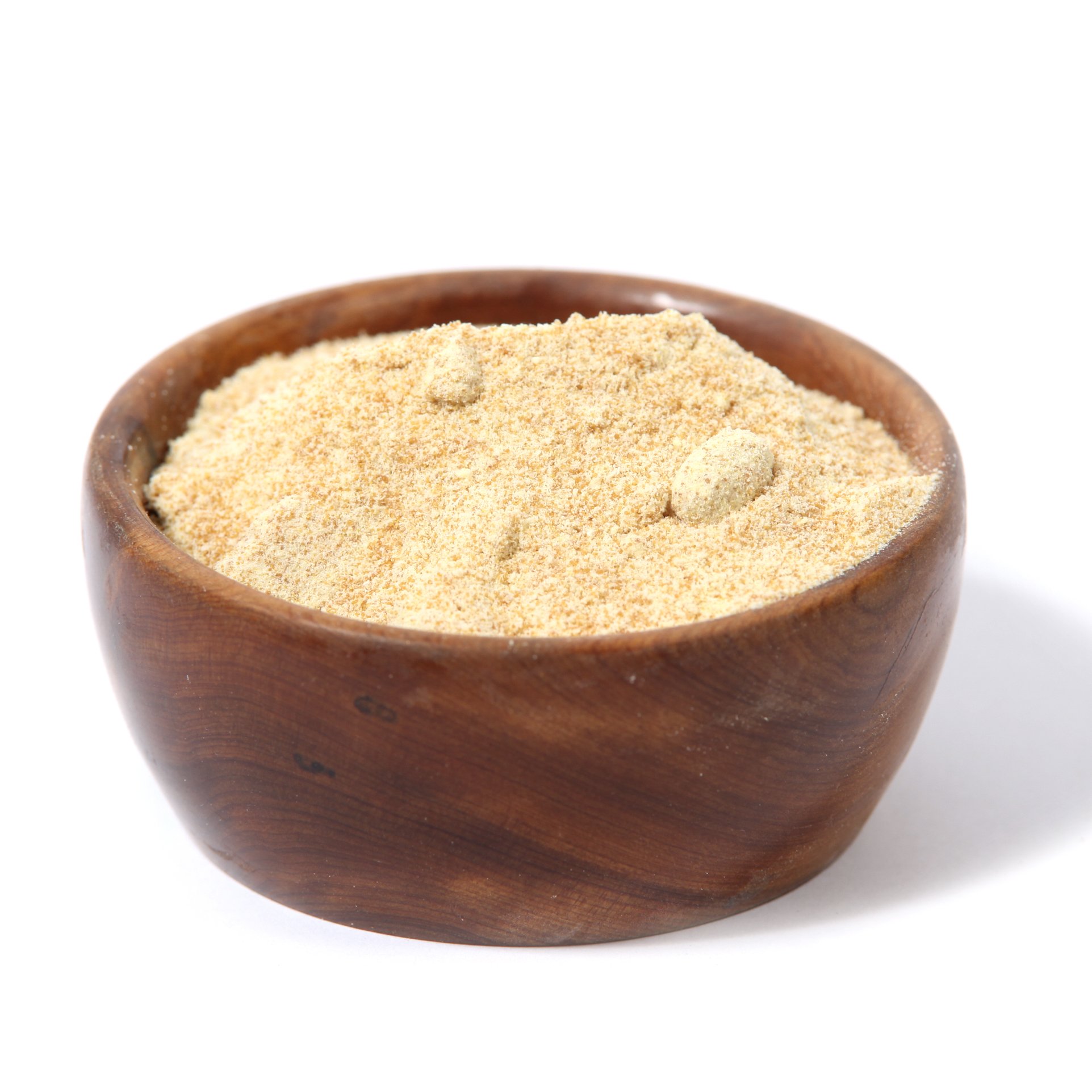
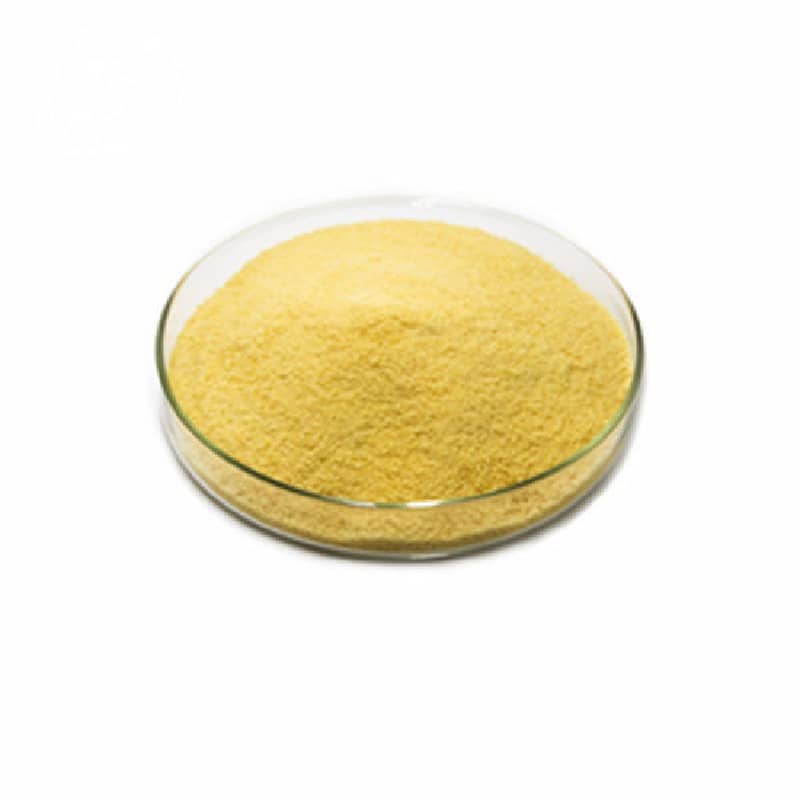
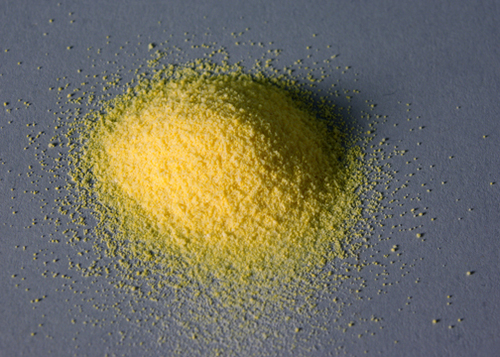
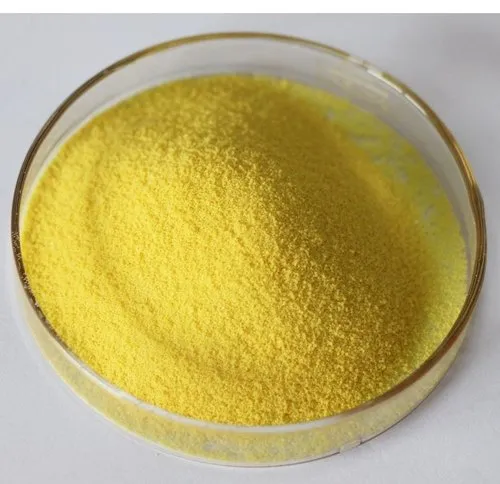
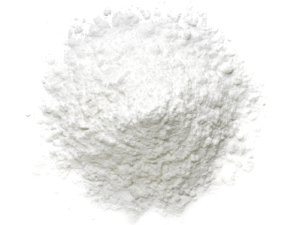
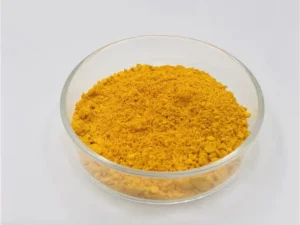
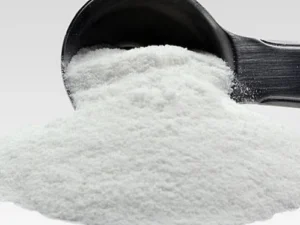
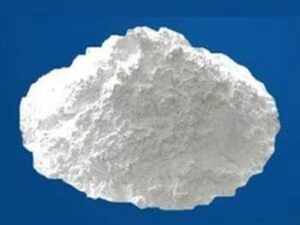
Physical characteristics: Free-flowing microbeads or spray-dried powder; off-white to pale yellow; particle size: 100% through 20 mesh, ≥90% through 40 mesh; bulk density: 0.5–0.7 g/cm³
-
Packaging options: 25 kg multi-wall kraft paper bags with internal PE liner; 20 kg fiber drums; 500 kg FIBC bulk bags; nitrogen-flushed aluminum foil bags for pharma-grade
-
Shelf life: 12–24 months when stored in original sealed packaging at ≤25°C, protected from light, moisture, and oxidizing agents
3. Core Industrial Applications
-
Animal feed (premix & compound feed): Added at 10,000–40,000 IU/kg for poultry, swine, cattle, and aquaculture to prevent deficiency, improve feed conversion ratios (FCR), and increase reproductive performance. Outperforms unprotected retinol due to superior thermal stability during pelleting and extrusion.
-
Pet food & specialty feeds: Used in premium dry kibbles and wet recipes at 5,000–25,000 IU/kg to maintain skin, coat, and ocular health. Microbead formulation reduces nutrient loss in high-moisture or high-temperature processing.
-
Human nutrition (nutraceuticals & fortified foods): Encapsulated into softgels, tablets, or added to milk powder and margarine. Acetate form offers higher oxidative stability vs. natural retinyl palmitate during long-term ambient storage.
-
Pharmaceutical intermediates: Precursor for topical retinoids and oral supplements in emerging markets. Cost advantage over retinoic acid for bulk API manufacturing.
Why superior: The acetate ester protects the unstable alcohol group, yielding 3–5x longer functional half-life in premixes compared to unesterified vitamin A, reducing overage requirements by 10–15%—a direct cost saving.
4. Competitive Advantages
-
Quality consistency: ISO 9001:2025, FAMI-QS (Feed Additives), and USP-NF compliance; each batch verified via HPLC for potency, residual solvents, and heavy metals (<2 ppm Pb, <1 ppm As).
-
Supply reliability: Dual-sourced raw materials (BASF & DSM alternative pathways) with 6-month rolling forecast buffer stock held in Rotterdam, Singapore, and Houston warehouses.
-
Logistics capability: Temperature-controlled supply chain (≤15°C for sea freight; ambient for short-haul) with real-time IoT monitoring. Capable of split shipments to multiple production sites from single PO.
-
Price competitiveness: 8–12% below European spot prices due to integrated Chinese manufacturing (Wanhua / NHU equivalent quality) with full traceability and third-party testing (SGS or Intertek) included.
-
Sustainability: Biodegradable starch coating (no ethoxyquin) available upon request; carbon-neutral palletized shipping via verified emission offsets.
5. Commercial & Supply Information
-
Minimum Order Quantity (MOQ): BULK 20 metric tons (MT) per product grade
-
Loading capacity: 20 MT per standard 20-foot container (26 pallets of 25 kg bags); 25 MT per 20-foot container for FIBC bulk bags
Reviews
There are no reviews yet.