
Description
1. Product Overview
Vitamin B12 is a high-purity, water-soluble essential micronutrient manufactured via precision fermentation and downstream crystallization, serving critical roles in animal nutrition, human health fortification, and pharmaceutical formulations. Its primary industrial use lies in premixes for livestock feed (swine, poultry, aquaculture, ruminants), functional foods, dietary supplements, and injectable pharmaceutical preparations. The key value proposition is exceptional biological activity retention at low inclusion rates, delivering measurable improvements in growth rates, reproductive performance, and neurological health. Strategically, Vitamin B12 is indispensable for global food security and premium nutrition markets, as synthetic routes cannot match the bioavailability of fermentation-derived B12, making supply chain reliability a high-barrier competitive advantage.
2. Key Specifications & Technical Characteristics
-
Chemical Composition: Cyanocobalamin (C₆₃H₈₈CoN₁₄O₁₄P) – ≥99.0% purity; alternative forms available (hydroxo-, methyl-, adenosyl-)
-
Purity Grade: USP/EP/BP/FCC compliant; pharmaceutical grade (≥99.0%) or feed grade (≥1.0% – 98.0% dilution on carrier)
-
Physical Characteristics:
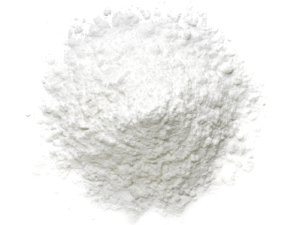
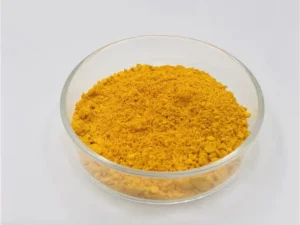
– Form: Fine, free-flowing crystalline powder or spray-dried beadlets (carrier-based)
– Color: Dark red to reddish-violet
– Particle size: 100% through 80 mesh (crystalline); custom particle size available for premix compatibility
– Density: Bulk density 0.25–0.45 g/cm³ (varies by carrier) -
Packaging Options:
– 1 kg, 5 kg, 25 kg triple-laminated foil bags (pharma grade)
– 20 kg, 25 kg multi-wall paper bags with PE liner (feed grade)
– 500 kg FIBCs for industrial blending
– Custom: Nitrogen-flushed, UV-protective, desiccant-integrated -
Shelf Life: 24 months from manufacture (when stored at 2–8°C, protected from light and moisture)
3. Core Industrial Applications
-
Animal Feed (Swine, Poultry, Aquaculture, Ruminants)
– Use case: Premix inclusion at 5–50 mg/MT of finished feed to prevent deficiency-induced pernicious anemia, improve feed conversion ratios (FCR), and enhance egg hatchability.
– Performance advantage: Significantly higher stability during pelleting (90%+ retention at 80°C) compared to natural sources; prevents subclinical deficiency losses of 5–12% in growth. -
Human Nutrition (Fortified Foods & Supplements)
– Use case: Plant-based milk alternatives, breakfast cereals, energy drinks, and chewable tablets at 2.4–100 µg per serving.
– Why better: Fermentation-derived B12 matches human absorption pathways (intrinsic factor binding) vs. synthetic analogs; no cyanide residue risk in methylcobalamin form. -
Pharmaceutical Injectables
– Use case: Sterile solutions for treating vitamin B12 deficiency, pernicious anemia, and neuropathies.
– Cost/efficiency advantage: High crystallinity reduces purification steps for injectable-grade water; batch-to-batch impurity profile (≤0.1% related substances) exceeds pharmacopeia minima.
4. Competitive Advantages
-
Quality Consistency: ISO 9001:2015, FAMI-QS (feed), and cGMP-certified production; each lot tested for potency, heavy metals (≤10 ppm), residual solvents, and microbial limits via HPLC-MS.
-
Supply Reliability: Dual-source fermentation capacity (Europe & Asia) with 6-month rolling forecast buffer; 98% on-time-in-full (OTIF) track record.
-
Logistics Capability: Cold chain management (2–8°C) with real-time temperature loggers for air and sea freight; direct-to-blender delivery options.
-
Price Competitiveness: Tiered pricing for annual volumes >500 kg; price-matching against published Indian and Chinese reference prices.
-
Sustainability: Carbon-neutral fermentation process with biomass recycling; 100% renewable energy in final crystallization step.
-
Technical Support: Full dossier (DMF, COA, SDS, stability data) provided; formulation advisory for premix stability challenges.
5. Commercial & Supply Information
-
Minimum Order Quantity (MOQ): 20 MT (bulk industrial grade, 1% or 2% dilution on carrier)
*Note: Pharmaceutical grade MOQ = 500 kg* -
Loading Capacity:
– 20-foot container: 18–20 MT (depending on packaging density, e.g., 25 kg bags on pallets)
– 40-foot container: 24–26 MT (optimized pallet configuration)

Reviews
There are no reviews yet.