
Description
Product Overview
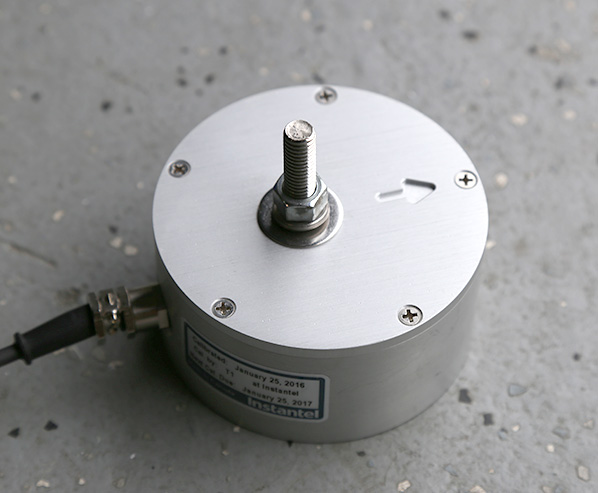
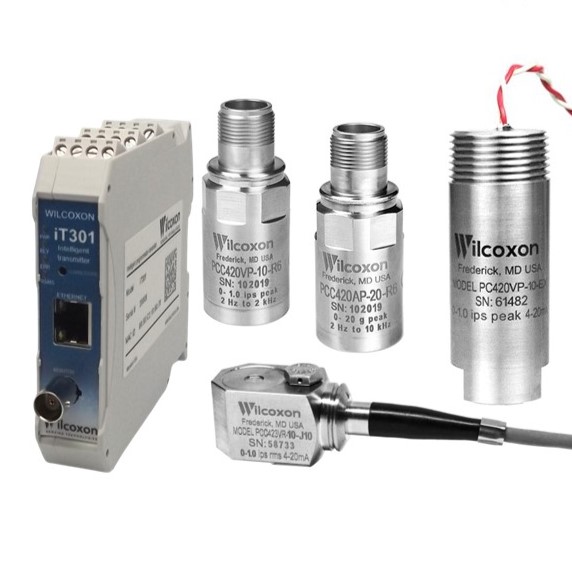
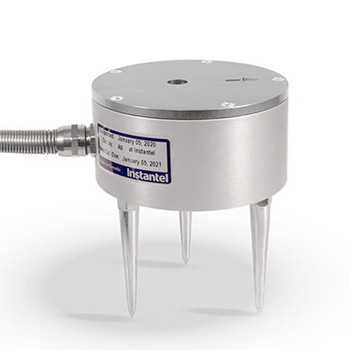
Vibration monitoring sensor is an industrial-grade electronic sensor designed to detect, measure, and report machine vibration signatures for predictive maintenance and condition monitoring. It converts mechanical vibration into precise electrical signals used by monitoring systems to detect imbalance, misalignment, bearing wear, and structural resonance. The key value proposition is real-time, high-fidelity vibration data that enables earlier fault detection, reduced unplanned downtime, and optimized maintenance scheduling. Strategically, this sensor lowers total cost of ownership by enabling condition-based maintenance programs across rotating equipment fleets, improving asset availability and safety for heavy industry operators.
Key Specifications & Technical Characteristics
-
Sensing element: piezoelectric accelerometer (high-stability ceramic/titanate) or MEMS option on request.
-
Measurement range: selectable ±2 g, ±10 g, ±50 g (custom ranges available).
-
Frequency response: 0.5 Hz to 10 kHz (typical); extended options up to 20 kHz.
-
Sensitivity: typical 10 mV/g (piezo) or specified per SKU; tolerance ±5%.
-
Resolution / noise floor: <50 µg/√Hz (high-sensitivity variants).
-
Output types: analog voltage (IEPE/charge), 4–20 mA loop, digital (RS-485/Modbus, Ethernet/IP, PROFINET) or wireless (Bluetooth/LoRaWAN).
-
Housing material: 316L stainless steel (standard) or aluminum alloy (lightweight option); IP rating IP67 or IP68 for submersion variants.
-
Mounting: stud-mount M6/M8, adhesive pad, magnet mount, or integral probe housing.
-
Operating temperature: -40 °C to +125 °C (standard); high-temp versions up to +200 °C.
-
Power supply: 12–30 VDC (analog/IEPE) or PoE for Ethernet models.
-
Physical characteristics: typical weight 30–250 g depending on housing; compact form factors from 20 mm to 80 mm length.
-
Environmental robustness: shock rating up to 5,000 g (selected models); vibration endurance per industry standards.
-
Certifications: CE, RoHS; ATEX/IECEx certified intrinsically safe models available for hazardous zones.
-
Packaging options: individually boxed with desiccant and calibration certificate; bulk crates for palletized shipment; custom industrial packaging for OEM orders.
-
Calibration & documentation: factory calibration traceable to national standards, calibration certificate included, calibration interval recommended 12 months.
-
Shelf life: electronic components—indefinite when stored dry; recommended storage 0–40 °C, <60% RH.
Core Industrial Applications
-
Primary industries: oil & gas, power generation, petrochemical, mining, pulp & paper, marine, heavy manufacturing, HVAC and transportation.
-
Specific use cases:
-
Rotating equipment monitoring: motors, pumps, compressors, gearboxes — early detection of imbalance, misalignment, looseness, bearing defects.
-
Structural health monitoring: resonance detection on skids, towers, and process vessels.
-
Process optimization: correlating vibration signatures to operational states for efficiency tuning.
-
Safety-critical monitoring: turbine and generator shafts, high-speed spindles, and long-term fatigue surveillance.
-
-
Why it performs better:
-
High dynamic range and low noise enable detection of incipient faults earlier than generic vibration transducers.
-
Wide frequency response captures both low-frequency imbalance and high-frequency bearing signatures in one sensor, reducing system complexity.
-
Robust, certified housings and high shock tolerance ensure reliable field performance in harsh industrial environments, lowering replacement and maintenance costs.
-
Flexible outputs and protocols allow seamless integration into existing DCS/SCADA/condition monitoring systems, accelerating deployment and ROI.
-
Competitive Advantages
-
Quality consistency: factory calibration with traceability, strict QA processes, and stable supply of sensor components to ensure repeatable measurements across lots.
-
Supply reliability: bulk manufacturing capacity, regional stocking hubs, and scheduled production slots to meet large-scale rollouts and spares programs.
-
Logistics capability: FOB, CIF, DDP options; palletized bulk shipments compatible with 20 ft/40 ft container loading; expedited air freight available for urgent spares.
-
Price competitiveness: tiered pricing for serial OEMs and bulk procurement, volume discounts, and lifecycle cost advantages through reduced downtime.
-
Sustainability: long-life, repairable designs; RoHS-compliant materials; options for recyclable packaging and extended service life to reduce lifecycle environmental impact.
-
Technical support: comprehensive documentation (datasheets, wiring diagrams, installation guides), application engineering assistance, on-site commissioning services, and extended warranty options.
-
Strategic sourcing position: combination of measurement accuracy, ruggedness, and global supply support makes this sensor a low-risk, high-impact component for asset-management programs.
Commercial & Supply Information
-
Minimum order quantity (MOQ): BULK 20MT
-
Typical unit pack: sensors sold by piece; bulk shipments consolidated to meet MOQ.
-
Loading capacity (MT per container): approximate loaded mass per container depends on configuration and packaging density; estimated:
-
20 ft container: up to 18–20 MT (palletized sensors and accessories)
-
40 ft container: up to 24–26 MT (palletized sensors and accessories)
-
-
Lead times: standard production 6–10 weeks for bulk orders; expedited options available.
-
Incoterms: negotiable (FOB, CIF, DDP).
-
Payment terms: negotiable; standard letters of credit, wire transfer, or net terms for approved corporate buyers.
-
After-sales: calibration, repair, and spare parts programs; optional service-level agreements for on-site support and stocked spares.
Reviews
There are no reviews yet.