
Description
1. Product Overview
Trimethyl Indium (TMI) is a high-purity metal-organic precursor essential for the production of indium-containing compound semiconductors via Metal-Organic Chemical Vapor Deposition (MOCVD) and Atomic Layer Deposition (ALD). Its primary industrial application lies in manufacturing optoelectronic devices such as high-brightness LEDs, laser diodes, and high-electron-mobility transistors (HEMTs). The key value proposition is enabling superior epitaxial layer uniformity and electronic performance, directly impacting device yield and efficiency. Strategically, TMI is a critical material for the global transition to energy-efficient lighting, 5G infrastructure, and advanced display technologies.
2. Key Specifications & Technical Characteristics
-
Chemical composition: Trimethylindium (TMIn), formula In(CH₃)₃
-
Purity level: 6N (99.9999%) – typical trace metal analysis < 0.1 ppm for each critical impurity (Si, Mg, Zn, Fe, Cu, S)
-
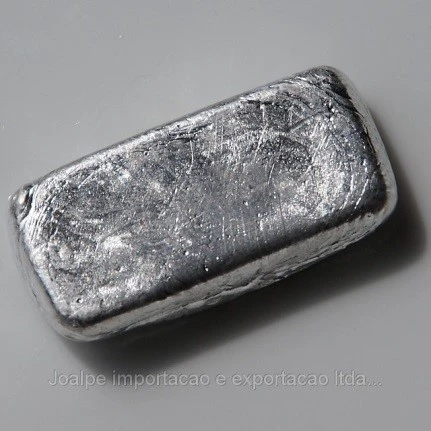
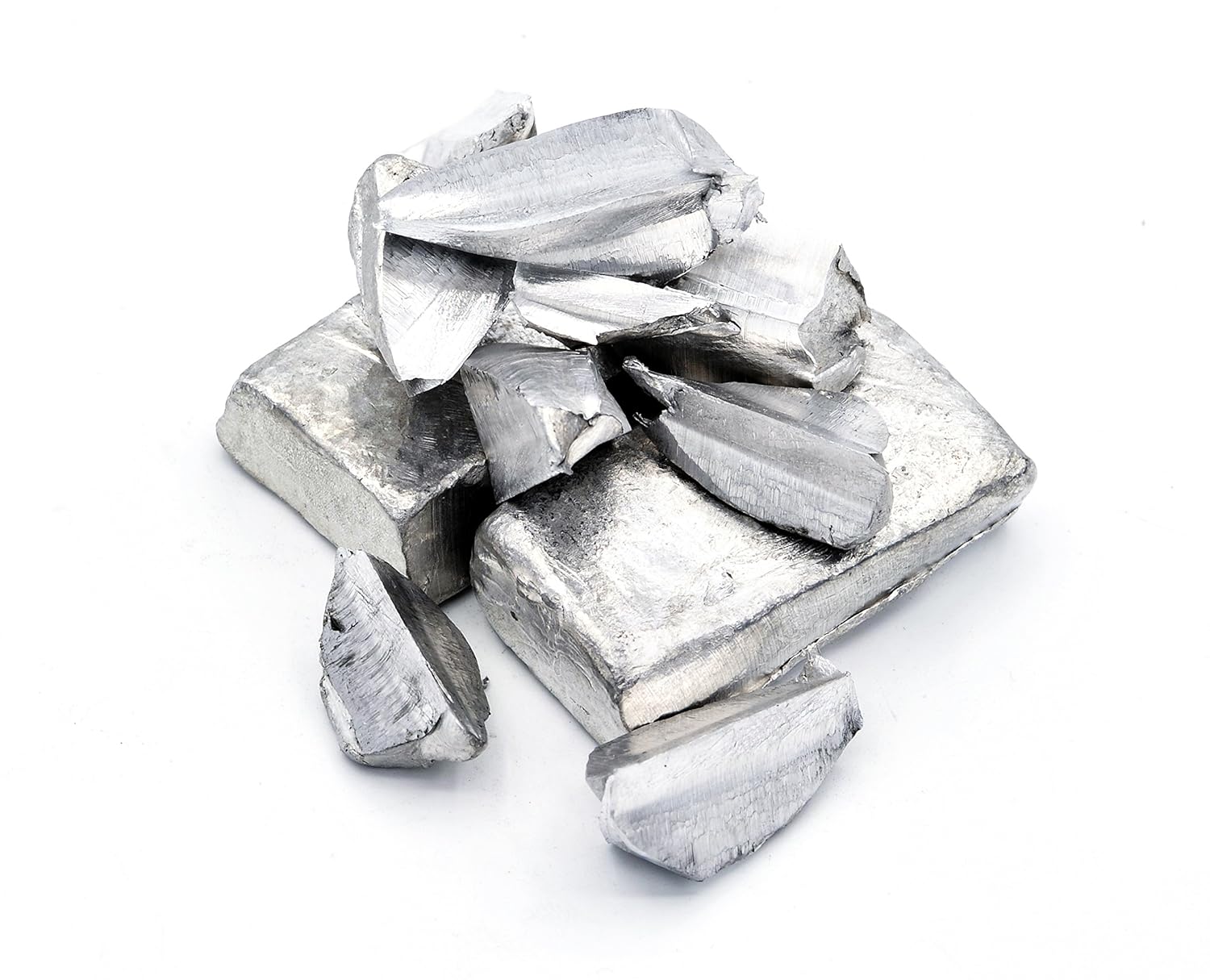
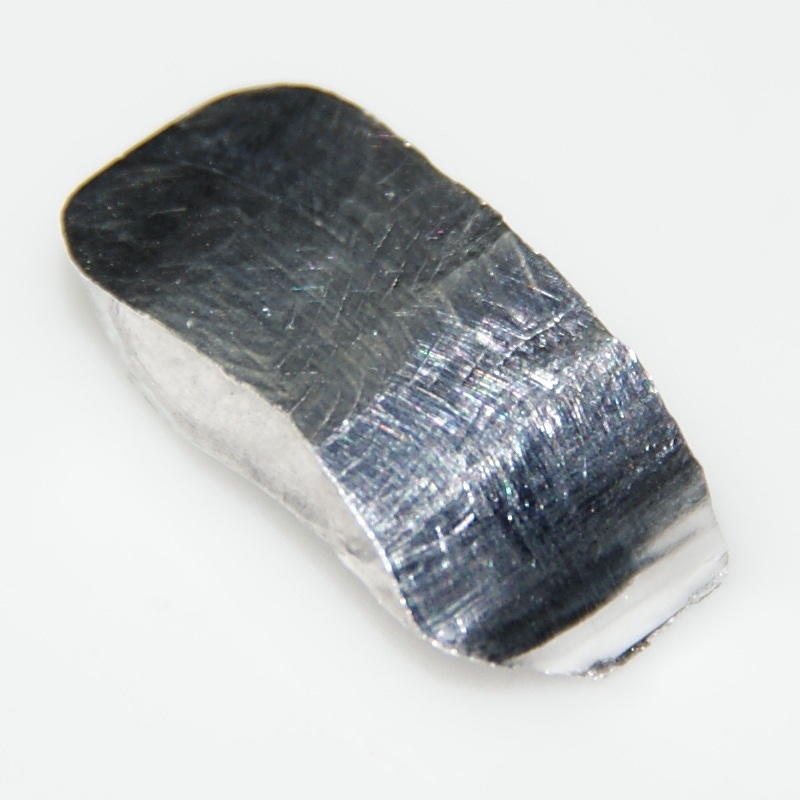
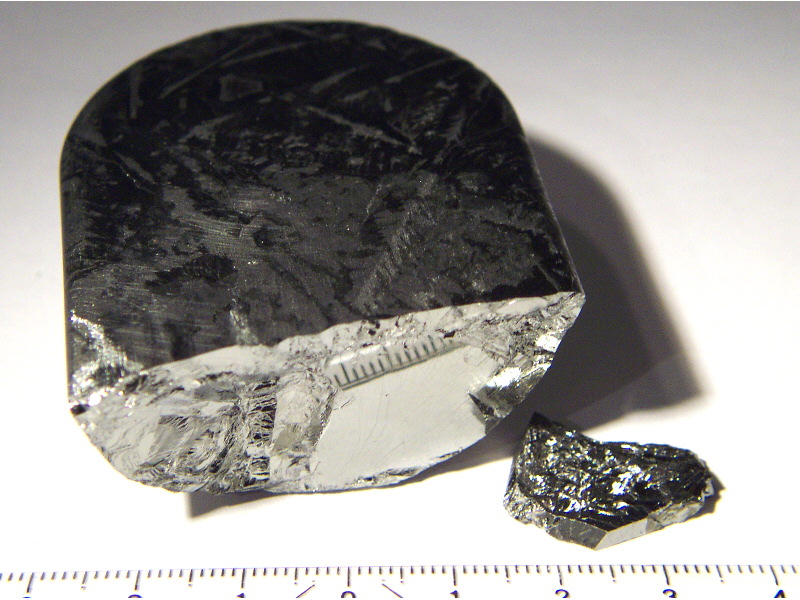
Physical characteristics: Colorless, moisture-sensitive crystalline solid; melts to clear liquid at approx. 88°C; vapor pressure: ~2.4 Torr @ 25°C
-
Form supplied: Liquid phase in bubbler cylinders (after melting) or solid phase in temperature-controlled bubblers
-
Packaging options: 50 mL, 150 mL, 300 mL, 500 mL, and 1.0L stainless steel bubbler cylinders with high-purity diaphragm valves
-
Shelf life: 12 months from date of analysis when stored unopened at 0–25°C under inert atmosphere
3. Core Industrial Applications
-
LED Epitaxy (HB-LEDs for general lighting & displays): Enables precise InGaN/GaN multiple quantum well structures, delivering ±1% wavelength uniformity vs. ±3–5% with lower-grade precursors.
-
Laser Diodes (fiber optics & industrial lasers): Provides consistent indium incorporation rate, reducing defect densities below 1e5 cm⁻² and increasing device lifetime by 30% over alternative sources.
-
High-Speed RF & Power Electronics (5G/6G HEMTs): Critical for InAlN and InGaAs barrier layers; achieves higher electron sheet charge density (>2e13 cm⁻²) compared to non-indium solutions.
-
Thin-Film Photovoltaics (CIGS solar cells): Used in ALD processes for indium oxide buffer layers, improving cell efficiency by 1.5–2 percentage points over standard sputtered layers.
4. Competitive Advantages
-
Quality consistency: Every batch certified by ICP-MS and NMR with full traceability to ISO 9001:2015 and SEMI S2/S8 standards; typical lot-to-lot variation <0.1 ppm for all key impurities.
-
Supply reliability: Dedicated global manufacturing sites (Asia, Europe, North America) with on-site purification and filling; 99.5% on-time delivery rate over past 24 months.
-
Logistics capability: Shock-resistant, temperature-monitored packaging with UN3394 hazardous material compliance; door-to-door tracking and customs pre-clearance for 40+ countries.
-
Price competitiveness: Tiered pricing for annual frame agreements (20–30% below spot market for volumes >100 kg/year) with fixed price protection.
-
Environmental & technical support: Zero-waste cylinder return program; 24/7 application engineering access (MOCVD process tuning, impurity root-cause analysis, safety training).
5. Commercial & Supply Information
-
Minimum order quantity (MOQ): 1 kg (equivalent to approx. 2–3 standard 300 mL bubblers)
-
BULK 20MT Loading capacity: Not applicable – due to hazardous material classification and high value per kg, bulk TMI is not shipped in 20MT quantities. Maximum single shipment per ISO container: 300 kg net weight (pallets of 1L cylinders, maximum 120 cylinders per 20-foot container, temperature-controlled).
-
Typical commercial shipment: 50–300 kg per 20-foot reefer container (controlled 18–25°C)



Reviews
There are no reviews yet.