
Description
1. Product Overview
Trichoderma harzianum is a high-performance, bioactive fungal strain formulated as a biocontrol and growth-promoting agent for industrial agriculture and bio-manufacturing sectors. Its primary industrial use is as a natural biofungicide, soil inoculant, and enzyme producer, particularly for beta-glucosidase expression in fermentation processes. The key value proposition lies in reducing chemical fungicide dependence while improving crop yield, root health, and substrate decomposition efficiency by up to 30% under commercial conditions. Strategically, it addresses the global shift toward sustainable crop protection, regulatory restrictions on synthetic agrochemicals, and rising demand for enzyme-based industrial bioprocessing.
2. Key Specifications & Technical Characteristics
- Active Ingredient: Trichoderma harzianum strain T-22 or equivalent, minimum 2 x 10^9 CFU/g
- Formulation Options: Wettable Powder (WP), Water Dispersible Granules (WDG), Liquid Concentrate (LC)
- Purity/Grade: Industrial Bio-Agricultural Grade, >98% viable spores, free from human/animal pathogens and heavy metals
- Physical Characteristics:
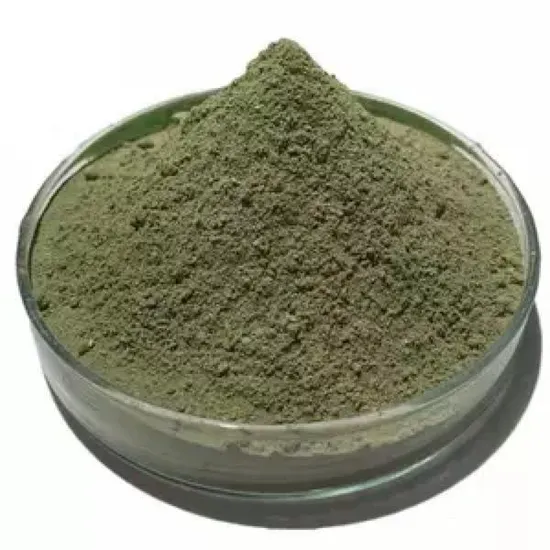
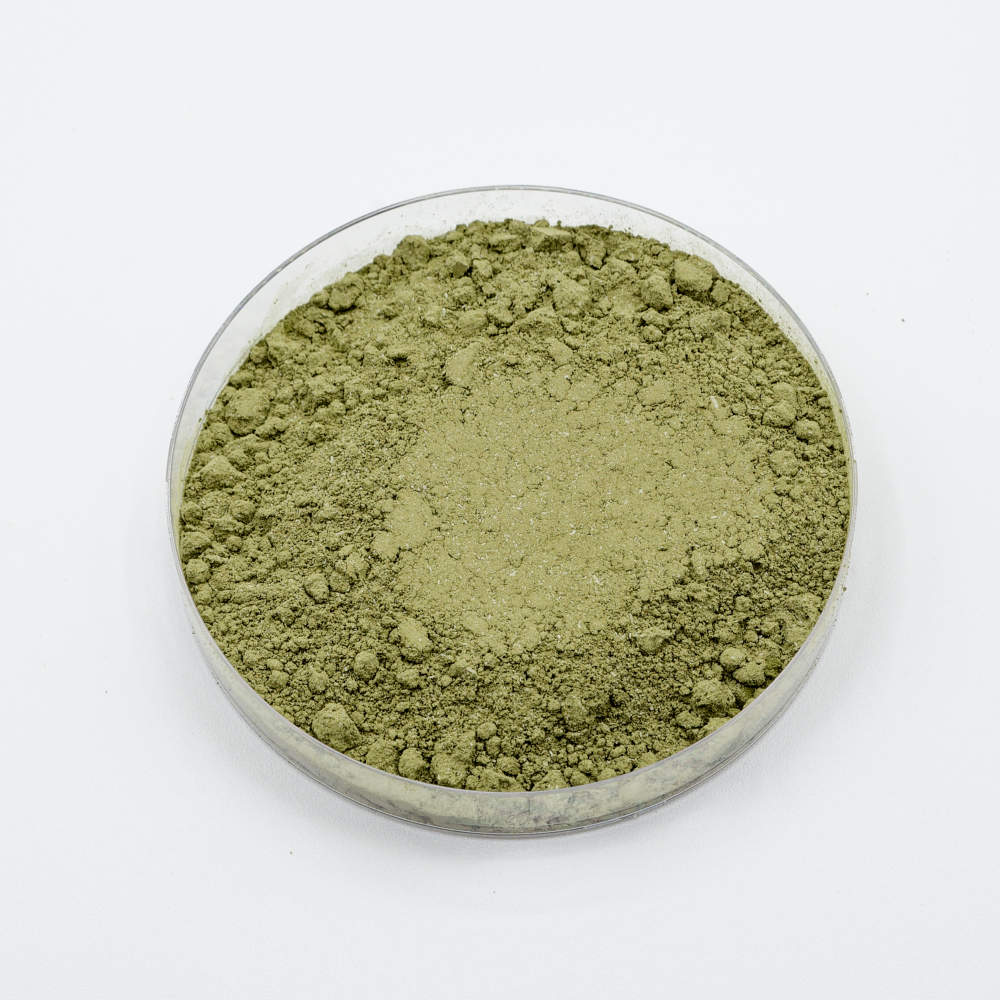
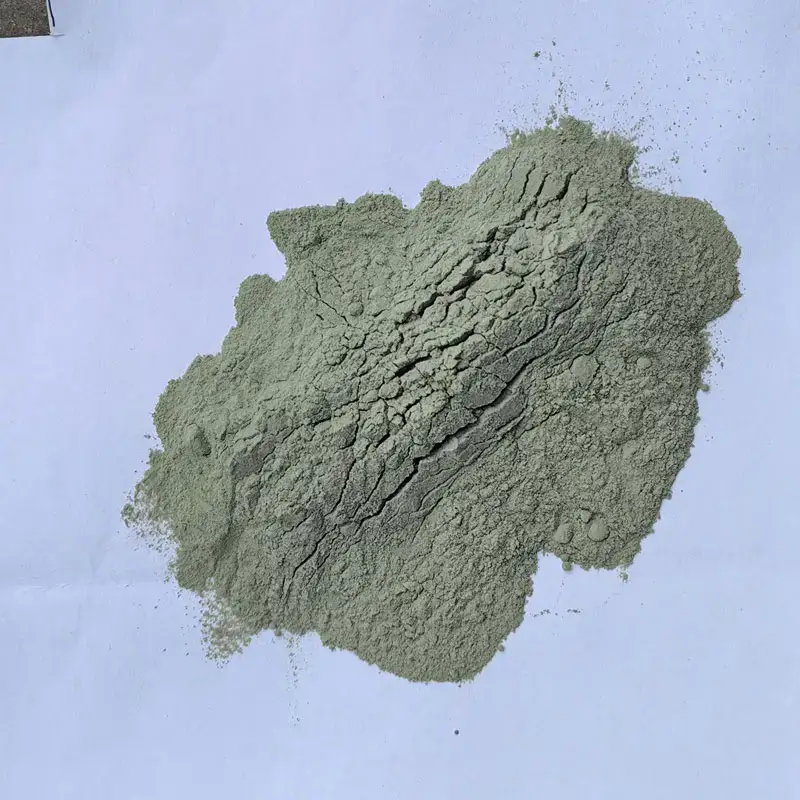
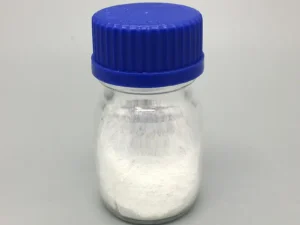
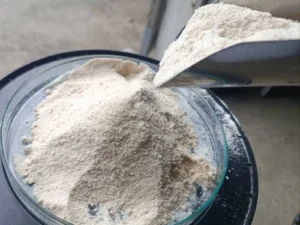
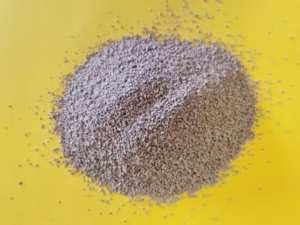
- WP Form: Off-white to light green powder, particle size 10–50 microns, bulk density 0.45–0.55 g/cm³
- LC Form: Brown liquid, pH 6.5–7.5, viscosity 50–150 cP at 25°C
- Beta-glucosidase Activity: ≥150 IU/g in WP form, verified by pNPG assay
- Packaging Options: 1kg foil bags in 25kg cartons, 25kg kraft paper bags with PE liner, 200L HDPE drums for LC, 1000L IBC totes
- Shelf Life: 24 months WP/WDG, 12 months LC when stored at 4–25°C in sealed, dry conditions; avoid direct sunlight
3. Core Industrial Applications
- Primary Industries: Commercial Agriculture, Horticulture, Turf Management, Organic Fertilizer Production, Industrial Enzyme Manufacturing
- Specific Operational Use Cases:
- Soil-borne pathogen suppression for Fusarium, Pythium, Rhizoctonia, and Sclerotinia in row crops and greenhouse systems
- Seed treatment and transplant drench to enhance root colonization and nutrient uptake
- Compost acceleration and crop residue decomposition in large-scale organic waste processing
- Beta-glucosidase enzyme source for biomass hydrolysis in bioethanol and feed additive production
- Performance vs. Alternatives: Unlike chemical fungicides, T. harzianum provides season-long colonization without residue limits, resistance development, or pre-harvest intervals. Compared to other biocontrol agents, it demonstrates faster rhizosphere establishment and broader pH/temperature tolerance of 4.0–8.5 and 10–35°C.
- Efficiency/Cost Advantages: Reduces synthetic fungicide applications by 40–60%, lowers irrigation-induced disease loss, and improves fertilizer use efficiency by 15–25%, delivering ROI within one growing cycle for high-value crops
4. Competitive Advantages
- Quality Consistency: Batch-level CFU and enzyme activity certification with ISO 9001 manufacturing and third-party COA provided
- Supply Reliability: Dedicated 50,000L fermentation capacity with 12-month production scheduling and safety stock protocols
- Logistics Capability: Export-ready with DG-free classification, full REACH and OMRI documentation, container loading optimization, and global freight partnerships from key APAC ports
- Price Competitiveness: Tiered bulk pricing model with 8–15% cost advantage vs. EU/US suppliers at equivalent CFU count due to integrated fermentation and downstream processing
- Sustainability: USDA NOP, EU Organic, and Carbon Trust certified production; reduces CO₂eq by 1.2 MT per hectare vs. conventional programs
- Technical Support: Agronomic application protocols, compatibility charts, microbial QC methods, and dedicated field support team for trial design and integration
5. Commercial & Supply Information
- Minimum Order Quantity (MOQ): BULK 20MT
- Loading Capacity:
|
Packaging Type |
MT per 20′ FCL |
MT per 40′ FCL |
|---|---|---|
|
25kg Bags |
16 MT |
26 MT |
|
200L Drums |
16 MT |
20 MT |
|
1000L IBC |
18 MT |
22 MT |
Reviews
There are no reviews yet.