
Description
1. Product Overview
Mycorrhizal fungi spores are a concentrated biological inoculum containing viable propagules of arbuscular mycorrhizal fungi (AMF) including Glomus, Rhizophagus, and Claroideoglomus species. Its primary industrial use is as a soil amendment and seed treatment input for large-scale agriculture, horticulture, turf management, and land restoration projects. The key value proposition is enhanced nutrient uptake efficiency, particularly phosphorus mobilization, improved drought tolerance, and increased crop yield through symbiotic root colonization. Beta-glucosidase activity produced by associated microbial consortia accelerates organic matter decomposition, unlocking bound nutrients and reducing dependency on synthetic fertilizers. This product is strategically important in the global shift toward regenerative agriculture, carbon-smart farming, and sustainable intensification of food production under tightening environmental regulations.
2. Key Specifications & Technical Characteristics
- Biological Composition: Blend of arbuscular mycorrhizal fungi spores, primarily Rhizophagus irregularis, Glomus mosseae, Glomus aggregatum. Total AMF propagules ≥150,000/g. Includes carrier and synergistic rhizobacteria for Beta-glucosidase activity.
- Purity Level / Grade: Agricultural/Industrial Grade. Zero detectable pathogens, heavy metals <10 ppm, free from plant pest species. CFIA, OMRI Listed materials available.
- Physical Characteristics:
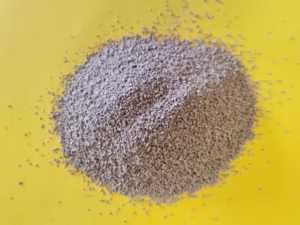
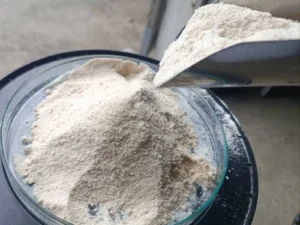
- Form: Wettable powder or granular
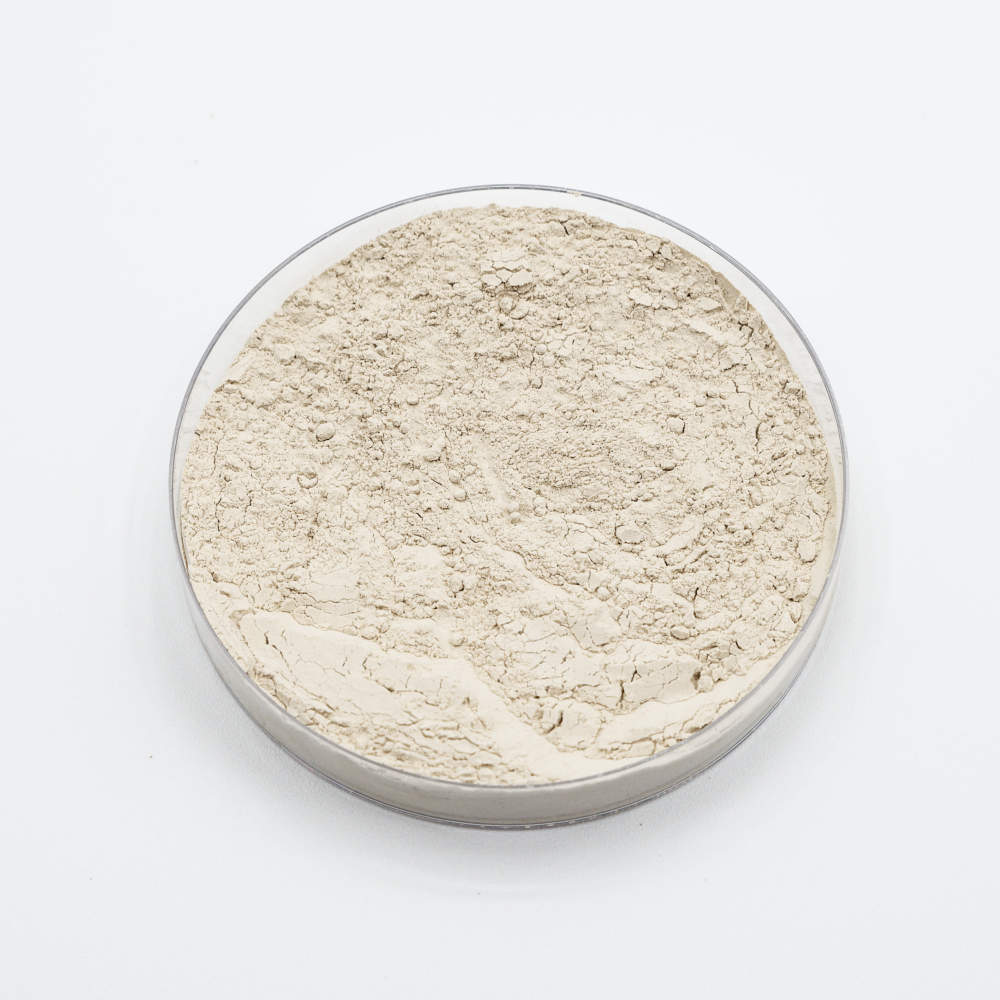
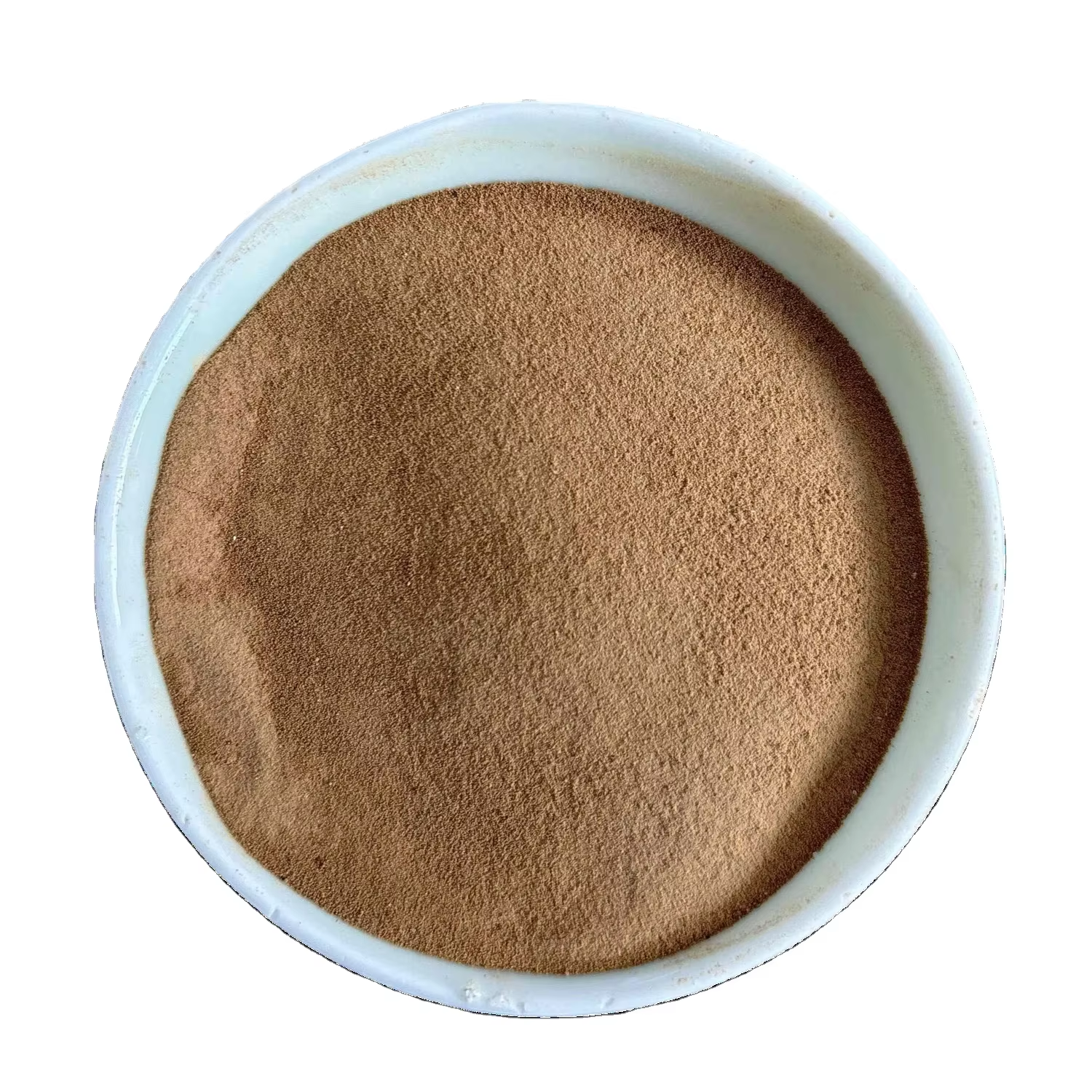
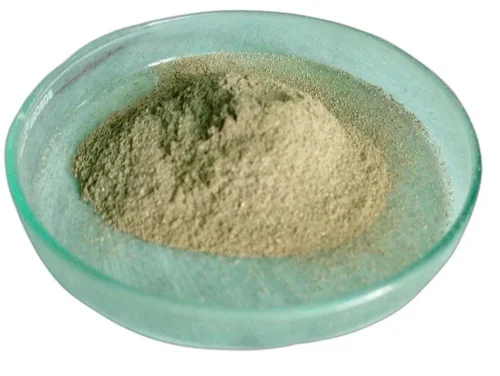
- Color: Light tan to dark brown
- Particle Size: Powder <150 microns; Granular 0.5–2.0 mm
- Bulk Density: 0.45–0.65 g/cm³
- Moisture Content: ≤8%
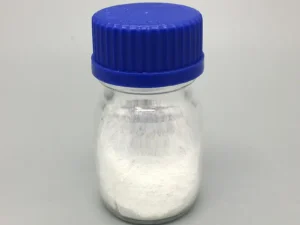
- Packaging Options: 1 kg foil pouches, 10 kg poly-lined kraft bags, 20 kg fiber drums, 500 kg bulk totes. Custom packaging for OEM/private label available.
- Shelf Life: 24 months when stored in cool, dry conditions <25°C, away from direct sunlight and fungicides. Viability guaranteed at ≥85% at expiry.
3. Core Industrial Applications
- Primary Industries: Commercial agriculture, controlled environment horticulture, commercial turf and landscaping, forestry nurseries, mine site rehabilitation, biofertilizer manufacturing.
- Specific Operational Use Cases: Seed coating for row crops including corn, soy, wheat; in-furrow application during planting; root dip for transplanted vegetables and tree seedlings; integration into compost tea and fertigation systems; topsoil inoculation for degraded land reclamation.
- Why This Product Performs Better Than Alternatives: High spore concentration and multi-species diversity ensure rapid colonization across soil types and pH ranges 5.5–8.5. Carrier technology protects propagules from UV and desiccation during handling. Delivers measurable ROI within one growing season vs. single-strain or non-viable AMF products.
- Efficiency, Durability, or Cost Advantages: Reduces phosphate fertilizer input by 20–40%, decreases irrigation demand by up to 30% due to improved root architecture, and establishes a permanent symbiotic network that persists for the life of perennial crops. Lower cost-per-acre than synthetic PGRs and repeated chemical inputs.
4. Competitive Advantages
- Quality Consistency: Every lot DNA-verified for species identity and tested via MPN assay for propagule count. Certificate of Analysis provided with shipment.
- Supply Reliability: Dedicated 10,000 sq ft production facility with year-round propagation capacity of 500 MT annually. 98.5% on-time fulfillment rate.
- Logistics Capability: Global export compliance, ISPM-15 certified pallets, cold-chain options available. Strategically located near Port of Shanghai and Port of Los Angeles for reduced lead times.
- Price Competitiveness: Vertical integration from isolate banking to formulation enables 15–25% lower landed cost vs. EU/US producers at equivalent CFU counts.
- Sustainability or Environmental Benefits: Supports carbon sequestration through increased root biomass, reduces N₂O emissions from fertilizer overuse, 100% plastic-free packaging options. Complies with EU Green Deal and USDA Organic standards.
- Technical Support or Documentation Availability: Full dossier including SDS, TDS, OMRI certificate, efficacy trials, application protocols, and compatibility charts. Dedicated agronomy team for integration support.
5. Commercial & Supply Information
- Minimum Order Quantity (MOQ): BULK 20MT
- Loading Capacity (MT per container): 18–20MT per 20ft FCL, 24–26MT per 40ft FCL depending on packaging configuration
Reviews
There are no reviews yet.