
Description
1. Product Overview
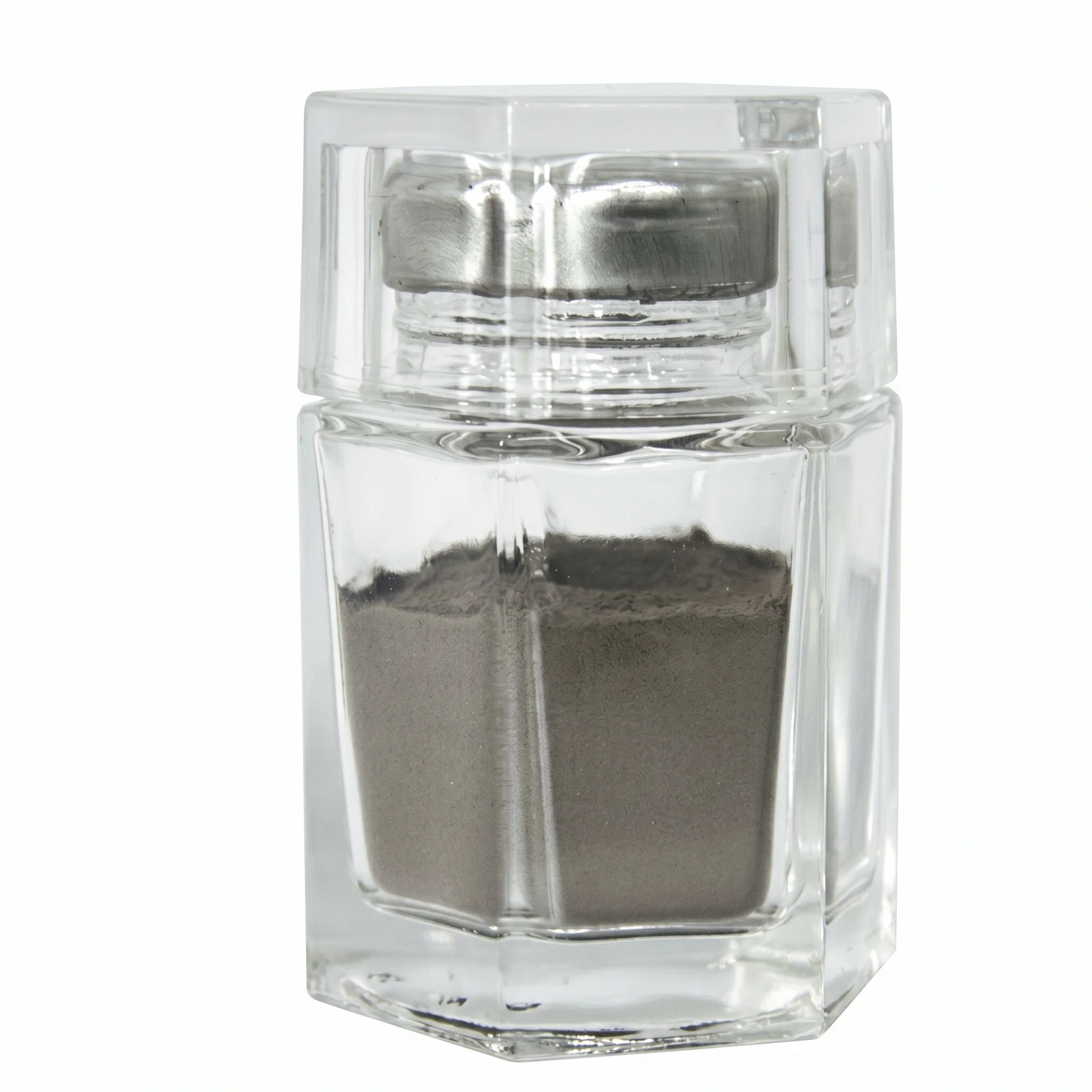
Titanium Scrap Powder is a high-purity, reconstituted titanium material derived from certified industrial offcuts, turnings, and machining residues, processed into a consistent powder morphology. Its primary industrial use is as a cost-efficient feedstock for secondary titanium alloys, pyrotechnic compounds, and additive manufacturing blends where virgin sponge titanium is over-specified. The key value proposition lies in delivering up to 40% cost savings versus primary titanium powder while maintaining >99% Ti purity, making it a strategically critical resource for manufacturers seeking to lower raw material spend without sacrificing metallurgical performance.
2. Key Specifications & Technical Characteristics
-
Chemical Composition: Ti ≥ 98.5%; Fe ≤ 0.20%; C ≤ 0.10%; N ≤ 0.05%; O ≤ 0.25%; trace elements (Al, V, Sn) compliant with Grade 1–5 equivalents
-
Purity Level: Commercial pure (CP) Grade 1 equivalent; also available in Ti-6Al-4V scrap powder blend
-
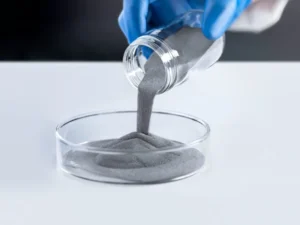
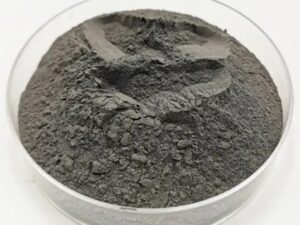
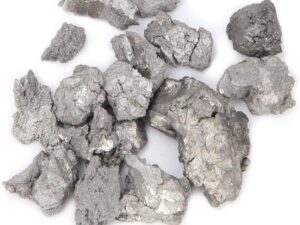
Physical Form: Irregular, angular to semi-spherical particles; dark grey metallic appearance
-
Particle Size Distribution: Standard -60 mesh (<250 µm) / -100 mesh (<150 µm) / -200 mesh (<75 µm); custom cuts available
-
Apparent Density: 1.8 – 2.2 g/cm³
-
Tap Density: 2.4 – 2.8 g/cm³
-
Packaging Options: 25 kg sealed polyethylene-lined bags; 500 kg flexible intermediate bulk containers (FIBCs); 1.5 MT steel drums
-
Shelf Life: 24 months when stored in dry, inert conditions (RH < 50%, sealed from oxygen/moisture)
3. Core Industrial Applications
-
Secondary Titanium Alloy Production: Used as a melt feedstock in vacuum arc remelting (VAR) and induction slag furnaces — reduces raw material cost by 30–35% versus virgin sponge.
-
Pyrotechnics & Energetic Materials: Primary fuel in military-grade flash-bang compositions and commercial fireworks; the irregular particle morphology enhances burn rate consistency compared to spherical powders.
-
Powder Metallurgy (PM) Parts: Blended with virgin hydride-dehydride (HDH) powder for sintered components (e.g., chemical pump seals, valve guides) — provides better green strength at lower binder ratios.
-
Chemical Processing Industries: As a reducing agent or sacrificial anode in high-corrosion environments, outperforming zinc or aluminum scrap due to titanium’s superior passivation layer.
4. Competitive Advantages
-
Quality Consistency: Each lot is tested via ICP-OES and LECO combustion analysis; certificate of analysis (COA) included with every shipment. Oxygen and nitrogen levels guaranteed within ±0.03%.
-
Supply Reliability: Sourced from audited aerospace and medical machining waste streams; minimum 200 MT monthly available capacity. No reliance on virgin sponge supply volatility.
-
Logistics Capability: Warehouse hubs in North America, Europe, and Southeast Asia enable 7-day lead time for container orders. Export-compliant packaging for hazardous class 4.1 (flammable solid) with UN-certified drums.
-
Price Competitiveness: Priced at 55–65% of virgin titanium powder (basis: Ti CP Grade 1, FOB). Long-term contracts (12+ months) lock in fixed quarterly pricing.
-
Environmental Benefit: Diverts industrial titanium scrap from landfill; reduces CO₂ footprint by approx. 70% versus primary titanium production (per ISO 14044 LCA). Eligible for green procurement credits.
5. Commercial & Supply Information
-
Minimum Order Quantity (MOQ): 20 MT (bulk industrial lots)
-
Loading Capacity: 20 MT per 20‑foot dry container (standard); 25 MT per 40‑foot high-cube container with optimized pallet stacking. Break-bulk or LTL not available for this grade.
Reviews
There are no reviews yet.