
Description
1. Product Overview
Titanium Dioxide Sludge (TiO2) is a secondary titanium-rich material recovered from chloride and sulfate process streams in pigment manufacturing. Its primary industrial use is as a cost-effective raw feedstock for titanium metal, welding electrodes, ceramic pigments, and low-grade TiO2 reprocessing. The key value proposition lies in delivering significant TiO2 content at a fraction of virgin pigment cost, enabling buyers to reduce input expenses while securing supply chain resilience. As global demand for titanium feedstocks tightens and circular economy mandates expand, this material is strategically important for manufacturers seeking cost-competitive, sustainable sourcing alternatives.
2. Key Specifications & Technical Characteristics
- Chemical Composition: TiO2 45.0% – 65.0% typical; Fe2O3 15.0% – 30.0%; Al2O3 2.0% – 6.0%; SiO2 1.0% – 5.0%; CaO <2.0%; SO4 <3.0%; Moisture 25.0% – 40.0% as-shipped basis
- Purity Level / Grade: Industrial Grade, Uncalcined Process Residue; TiO2 content quoted on dry basis
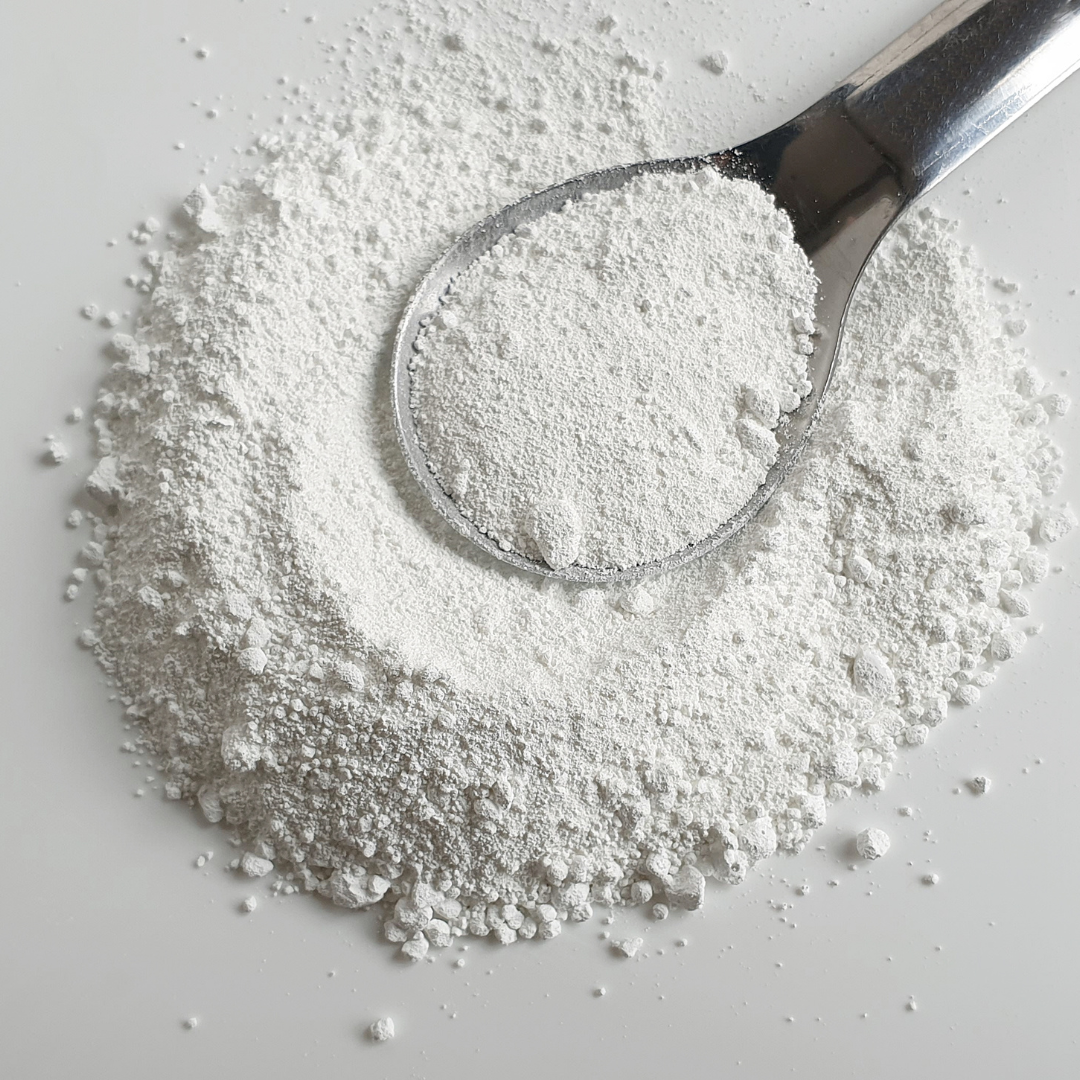
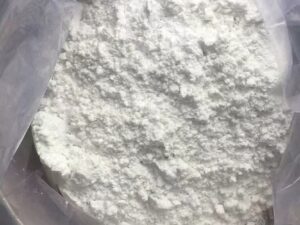
- Physical Characteristics: Form: Filter cake / moist sludge; Color: Grey to light brown; Particle Size: D50 2–15 microns; Bulk Density: 1.2–1.5 g/cm³ wet, 0.8–1.1 g/cm³ dry; pH: 6.5–8.5
- Packaging Options: 1.0 MT jumbo bags with inner PE liner; 20–25 MT bulk in lined containers; Custom bulk vessel loading available
- Shelf Life: 12 months under covered storage; material remains stable, though moisture content should be re-verified prior to use
3. Core Industrial Applications
- Primary Industries: Titanium metal and alloys, welding consumables, ceramics, cement additives, low-grade pigment, water treatment chemicals
- Specific Operational Use Cases: Feedstock for titanium sponge via Kroll process; rutile core for welding electrodes; opacifier in construction ceramics and tiles; iron and titanium source in cement clinker; neutralization agent in effluent treatment
- Performance vs Alternatives: Delivers 50%–70% lower unit cost per TiO2 content compared to virgin rutile or slag, with comparable metallurgical performance in downstream reduction. Reduces reliance on mined ilmenite/rutile amid geopolitical supply constraints
- Efficiency, Durability, Cost Advantages: Enables direct substitution in non-optical applications without calcination; high Fe content beneficial for cement and welding flux; supports circular economy credits and reduces landfill liability for generators
4. Competitive Advantages
- Quality Consistency: Batch-tested with COA provided; material sourced from single-generation chloride process lines to ensure stable chemistry
- Supply Reliability: 500–1,000 MT monthly availability from contracted pigment plants; long-term offtake agreements accepted
- Logistics Capability: Experienced in bulk export via Douala and Lagos ports; IMO-compliant documentation, MSDS, and non-hazardous certification provided
- Price Competitiveness: Positioned 30%–45% below virgin TiO2 feedstock on TiO2-equivalent basis; FOB and CIF pricing available
- Sustainability Benefits: Classified as recovered industrial by-product; supports Scope 3 emissions reduction and ESG reporting for buyers
- Technical Support: Full documentation package including TDS, COA, process flow compatibility data, and end-use application guidance available pre-shipment
5. Commercial & Supply Information
- Minimum Order Quantity (MOQ): BULK 20MT
- Loading Capacity: 20 MT per 20ft container on wet basis; 18–19 MT per 20ft container on dry-equivalent basis
Reviews
There are no reviews yet.