









Description
1. Product Overview
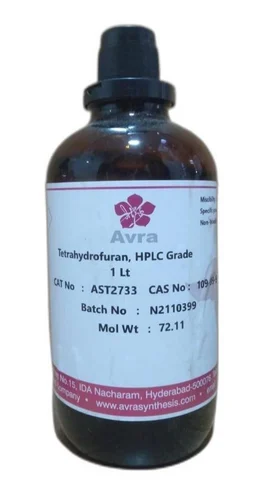
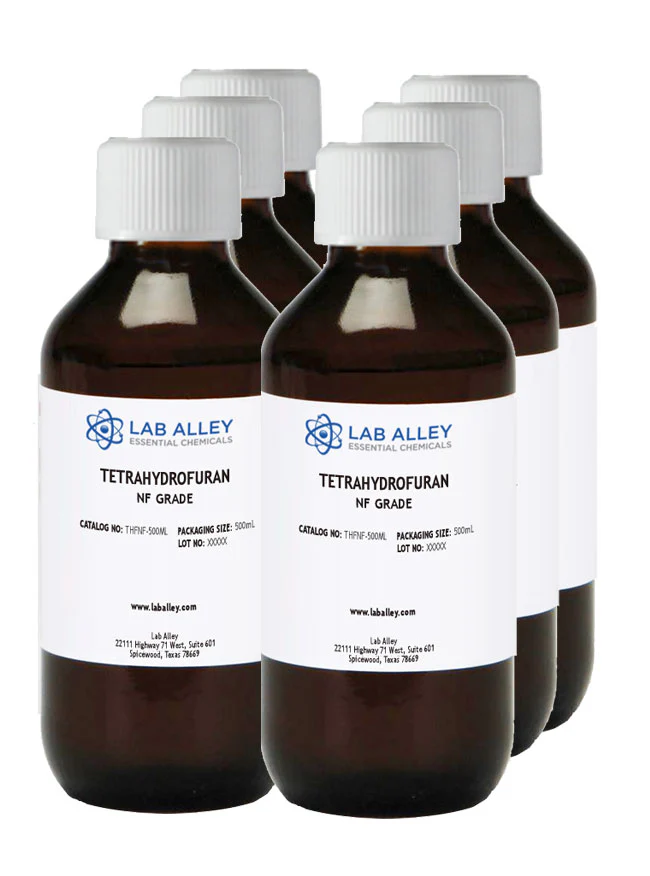
Tetrahydrofuran (THF) is a high-purity, polar aprotic solvent and critical intermediate, recognized globally for its exceptional solvency power and reaction versatility across polymer and pharmaceutical synthesis. Its primary industrial use lies in the production of polytetramethylene ether glycol (PTMEG), a key precursor for high-performance elastomers, spandex fibers, and polyurethanes, as well as a reaction medium in organometallic and fine chemical processes. The key value proposition is superior solvation stability and low byproduct formation, enabling higher yields and cleaner output streams. Strategically, THF is indispensable for manufacturers seeking to meet rising demand for durable elastomers and high-grade specialty chemicals in a tightening regulatory environment.
2. Key Specifications & Technical Characteristics
-
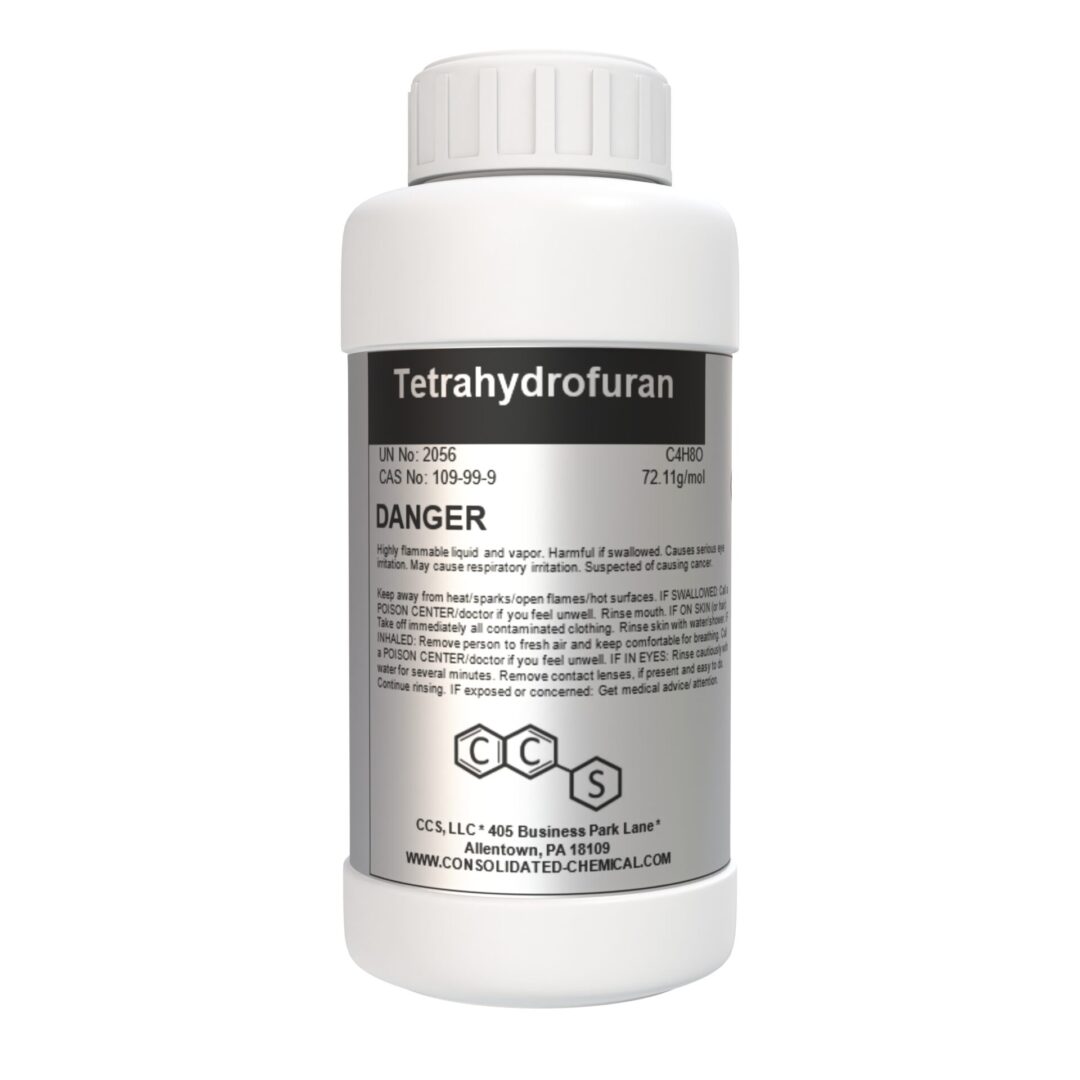
Chemical Composition: Tetrahydrofuran (C₄H₈O); CAS 109-99-9
-
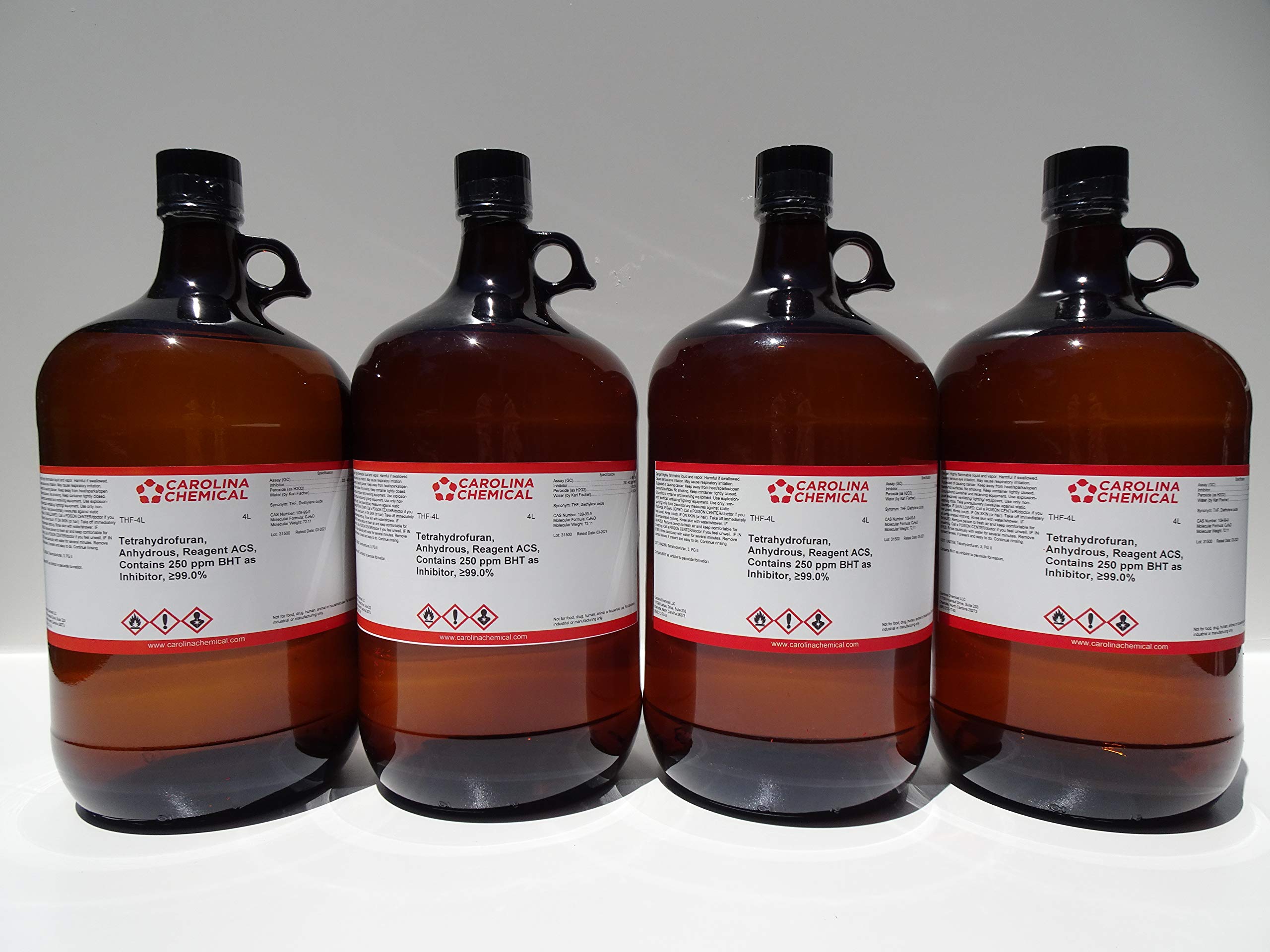
Purity Grade: ≥99.9% (anhydrous, stabilized with 200–250 ppm BHT)
-
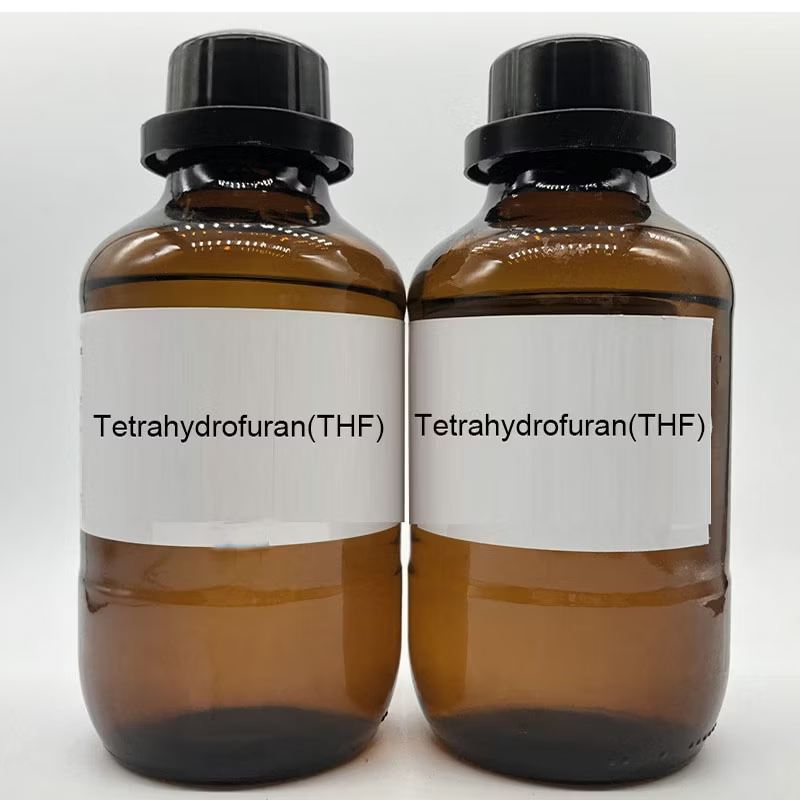
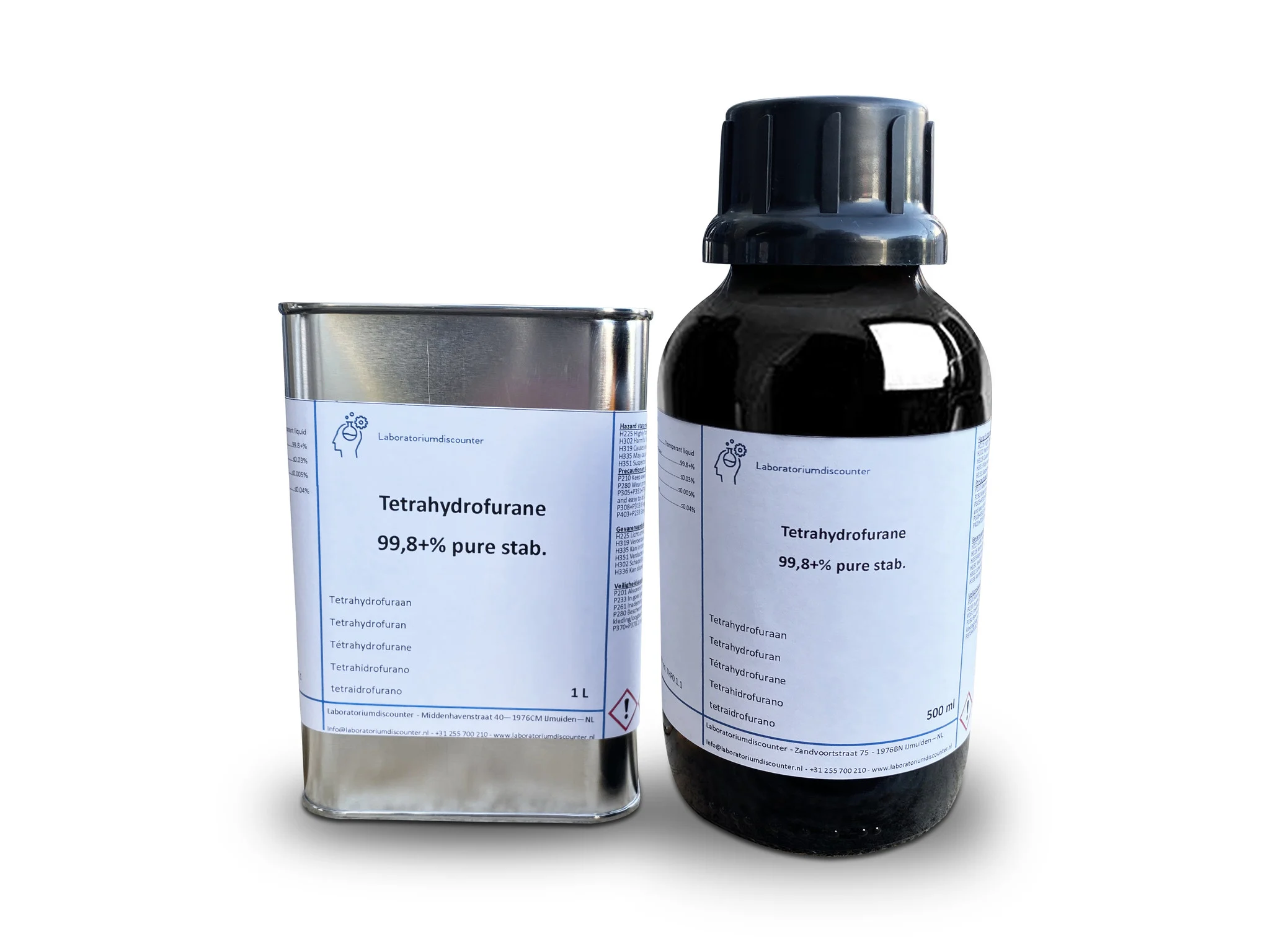
Physical Form: Clear, colorless volatile liquid
-
Physical Characteristics:
-
Boiling point: 66°C (at 760 mmHg)
-
Density: 0.889 g/cm³ at 20°C
-
Water content: ≤0.03% (standard); ≤0.005% (ultra-low water grade available)
-
-
Packaging Options:
-
200 L epoxy-lined steel drums (net 180 kg)
-
1,000 L IBC totes (net 900 kg)
-
ISO tank containers (20 MT net)
-
Bulk railcar (upon contract)
-
-
Shelf Life: 24 months from date of manufacture when stored in sealed, nitrogen-blanketed containers between 15–30°C, away from light and oxidizing agents
3. Core Industrial Applications
-
Primary Industry 1 – Synthetic Fibers & Elastomers: Used as the monomer feedstock for PTMEG, which produces spandex (Lycra®-type fibers) and high-resilience polyurethane elastomers. THF enables consistent polymerization with low gel content and narrow molecular weight distribution, outperforming less pure cyclic ethers.
-
Primary Industry 2 – Pharmaceutical & Agrochemical Synthesis: Solvent of choice for Grignard reactions, hydroborations, and lithium aluminum hydride reductions. THF’s ability to stabilize reactive intermediates results in higher chiral purity and fewer side reactions compared to diethyl ether or dioxane.
-
Primary Industry 3 – Specialty Coatings & Adhesives: Dissolves PVC, epoxy resins, and polyurethanes for low-VOC, high-adhesion formulations. THF provides faster drying times and cleaner film formation than MEK or acetone, reducing pinhole defects and rework rates.
Efficiency advantage: Lower viscosity at sub-ambient temperatures enables energy savings in cold-process reactions. Cost advantage: Higher recycle rates (up to 95% recovery via distillation) reduce net solvent consumption.
4. Competitive Advantages
-
Quality Consistency: Statistical process control (SPC) with lot-to-lot variability <0.1% for key impurities (peroxide, water, BHT level). Each batch includes certificate of analysis (CoA) from ISO/IEC 17025-accredited lab.
-
Supply Reliability: Dual-sourcing of raw materials (1,4-butanediol and maleic anhydride routes) with three dedicated production lines. On-time in-full (OTIF) delivery performance >98.5% over 24 months.
-
Logistics Capability: Dangerous Goods (Class 3, UN2056) certified supply chain with in-house fleet of stainless-steel ISO tanks. Port-to-plant tracking with real-time temperature and pressure monitoring.
-
Price Competitiveness: Long-term take-or-pay contracts reduce spot-market exposure. Transparent pricing formula linked to propylene and methanol indices.
-
Sustainability: 40% lower carbon footprint vs. non-cradle-to-gate suppliers due to renewable energy–powered distillation and closed-loop cooling. Reusable bulk packaging options reduce single-use drum waste by up to 70%.
-
Technical Support: Dedicated process engineering team for solvent recovery system design, compatibility testing, and regulatory compliance (REACH, TSCA, K-REACH).
5. Commercial & Supply Information
-
Minimum Order Quantity (MOQ): 20 MT (one full ISO tank container)
-
Loading Capacity (MT per container):
-
20-foot ISO tank container: 20 MT net
-
40-foot container (drums / IBCs): 18 MT net (palletized)
-
-
Lead Time: 15 days ex‑works (Asia/Middle East); 25 days CIF major global ports (Rotterdam, Houston, Shanghai, Busan)
-
Payment Terms: LC at sight or 30% TT advance + 70% against BL copy for first-time buyers; net 30 days for qualified corporate accounts with credit approval


Reviews
There are no reviews yet.