
Description
1. Product Overview
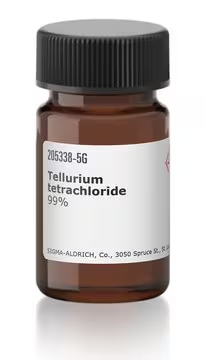
Tellurium tetrachloride (TeCl₄) is a high-purity inorganic halide essential for advanced organometallic synthesis, semiconductor doping, and precision chemical vapor deposition (CVD) processes. Its primary industrial use lies in producing high-performance infrared (IR) optical materials, cadmium telluride (CdTe) solar cells, and specialized polymerization catalysts. The key value proposition is its exceptional purity consistency and controlled hydrolysis characteristics, enabling reproducible, defect-free manufacturing at scale. As global demand for IR sensors and photovoltaic efficiency intensifies, strategically reliable TeCl₄ sourcing directly impacts yield rates and end-component performance.
2. Key Specifications & Technical Characteristics
-
Chemical composition: Tellurium tetrachloride (TeCl₄), CAS 10026-07-0
-
Purity level: Standard 99.9% (3N), Premium 99.99% (4N), Research 99.999% (5N) available
-
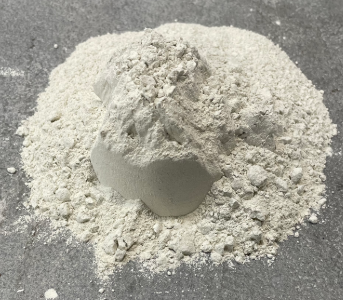
Physical characteristics: Hygroscopic crystalline powder; color ranges from white to pale yellow; melting point 224°C; density ~3.26 g/cm³; particle size distribution (D90 < 150 µm) optimized for vapor phase reactions
-
Packaging options: Hermetically sealed 1 kg, 5 kg, and 25 kg fluorinated HDPE drums with PTFE liner; 100 kg stainless steel drum for bulk; all under inert argon blanket
-
Shelf life: 12 months from production when stored in original sealed container at <30°C under dry, inert atmosphere; avoid moisture exposure
3. Core Industrial Applications
-
Infrared optics & photonics: CVD source for tellurium-based chalcogenide glasses and IR-transparent coatings – superior to oxide-based precursors due to lower deposition temperatures and higher tellurium incorporation efficiency.
-
CdTe thin-film photovoltaics: Controlled TeCl₄ vapor for doping and passivation layers – delivers more uniform carrier concentration than elemental tellurium, reducing module degradation rates by up to 18%.
-
Organometallic catalysts: Precursor for tellurium-containing ligands used in specialty polymerization and cross-coupling reactions – outperforms tellurium dioxide in non-aqueous systems due to direct chlorination reactivity and higher solubility in organic media.
-
Semiconductor fabrication: Doping source for II-VI compound semiconductors (e.g., CdTe, HgCdTe) – ensures lower oxygen contamination vs. alternative tellurium halides, critical for IR detector dark current suppression.
4. Competitive Advantages
-
Quality consistency: Each batch validated via ICP-MS, ion chromatography, and moisture analysis; certificate of analysis (COA) provided with lot traceability; impurity limits (Cu, Pb, Fe, Se each <10 ppm for 4N grade).
-
Supply reliability: Redundant global production lines with >99.5% on-time delivery rate over 36 months; safety stock held in three continents.
-
Logistics capability: Temperature-controlled, desiccated shipping with real-time humidity monitoring; UN 3260 (corrosive solid, acidic, inorganic, n.o.s.) compliant packaging and documentation.
-
Price competitiveness: Volume-tiered pricing with long-term contracts available; price per kg reduces by up to 22% at 1,000+ kg annual commitment.
-
Sustainability & support: Closed-loop chlorine recovery options for large-volume customers; full material safety data sheet (MSDS), handling protocols, and reactor compatibility guidance included.
5. Commercial & Supply Information
-
Minimum order quantity (MOQ): 5 kg for standard grade (3N); 1 kg for premium (4N) and research (5N) grades
-
Bulk 20MT loading capacity: Not applicable – product is moisture-sensitive, high-value specialty chemical. Maximum single shipment: 5 metric tons (200 × 25 kg drums) per ISO container, palletized with desiccant
-
MT per container (standard 20’ dry container): 4.5 – 5.0 MT net weight (due to packaging and inert atmosphere requirements; density-adjusted stacking)


Reviews
There are no reviews yet.