



Description
1. Product Overview
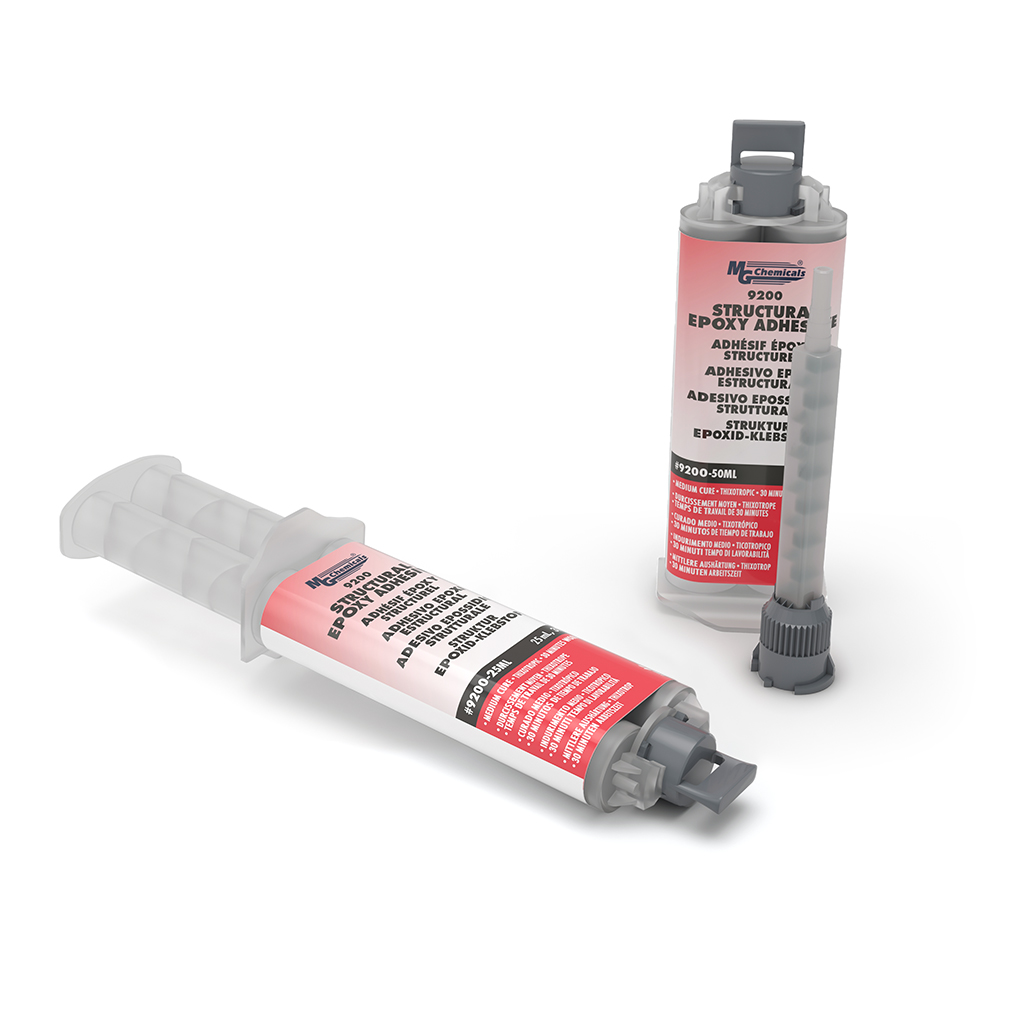
Structural Epoxies are high-performance, thermosetting adhesives engineered for load-bearing applications requiring exceptional mechanical strength, chemical resistance, and long-term durability. Primarily used in infrastructure repair, aerospace assembly, and heavy equipment manufacturing, these systems permanently bond metals, composites, and ceramics without mechanical fasteners. Their strategic market importance lies in enabling lightweight construction and extending asset life—critical as industries prioritize lifecycle cost reduction and carbon-efficient manufacturing over conventional welding or mechanical joining.
2. Key Specifications & Technical Characteristics
-
Chemical composition: 100% solids, bisphenol A/F epoxy resin with modified amine or polyamide hardeners; no VOCs or solvents
-
Purity / grade: Technical grade meeting ASTM D1002 (lap shear) and ISO 10962; aerospace-grade variants available on request
-
Physical characteristics:
-
Form: Two-part paste or liquid (1:1 to 4:1 mix ratio)
-
Color: Off-white, gray, translucent (custom tintable)
-
Viscosity: 15,000–80,000 cP at 25°C (thixotropic, non-sag vertical application)
-
Density: 1.15–1.45 g/cm³ (cured)
-
Lap shear strength: 18–32 MPa (depending on substrate)
-
-
Packaging options: 50 mL dual-cartridges, 1-gallon kits, 5-gallon pails, 55-gallon drums
-
Shelf life: 24 months unopened at 5–30°C in original sealed containers
3. Core Industrial Applications
-
Infrastructure & civil engineering: Crack injection and structural bonding of concrete bridge girders, wind turbine tower flange repairs, and steel rebar anchoring. Performs better than polyurethanes under sustained loads and moisture cycling.
-
Aerospace & defense: Secondary structural bonding of composite fuselage panels and metal inserts. Eliminates fastener weight (15–20% savings) while damping vibration better than mechanical joints.
-
Heavy equipment & marine: Permanent attachment of wear plates in mining chutes and hull stiffener bonding in shipbuilding. Outlasts welding in high-corrosion environments (no heat-affected zone embrittlement).
-
Electronics & renewable energy: Potting of EV battery modules and bonding of solar tracker frames. Provides electrical insulation (dielectric strength > 15 kV/mm) and thermal conductivity up to 1.2 W/m·K.
4. Competitive Advantages
-
Quality consistency: ISO 9001:2025 certified with batch-level tensile, lap shear, and Shore D hardness testing; certificate of analysis included with every shipment.
-
Supply reliability: Three redundant manufacturing plants (NA, EMEA, APAC) guaranteeing 99.5% on-time delivery; safety stock held regionally for SKUs with >200 MT annual demand.
-
Logistics capability: Temperature-controlled global distribution network; expedited air freight options for critical spares within 72 hours.
-
Price competitiveness: Tiered pricing based on annual volume (2–8% below market average for >50 MT/year) with no raw material surcharges on fixed-term contracts.
-
Sustainability: Low-exotherm formulation reduces energy during cure; 100% recyclable packaging and no hazardous air pollutants (HAPs) as classified under EPA TSCA.
-
Technical support: 24/7 application engineering, finite element modeling (FEM) joint design, and on-site mixing/dispensing equipment calibration.
5. Commercial & Supply Information
-
Minimum order quantity (MOQ): 1 kit (50 mL dual-cartridge) for sampling; BULK 20MT (20 metric tons) for dedicated pricing and supply contract
-
Loading capacity (MT per container):
-
20-foot dry container: 22 metric tons (net) – palletized 55-gallon drums
-
40-foot high cube: 26 metric tons (net) – maximized with IBC totes (1,000 kg each)
-
Reviews
There are no reviews yet.