




Description
1. Product Overview
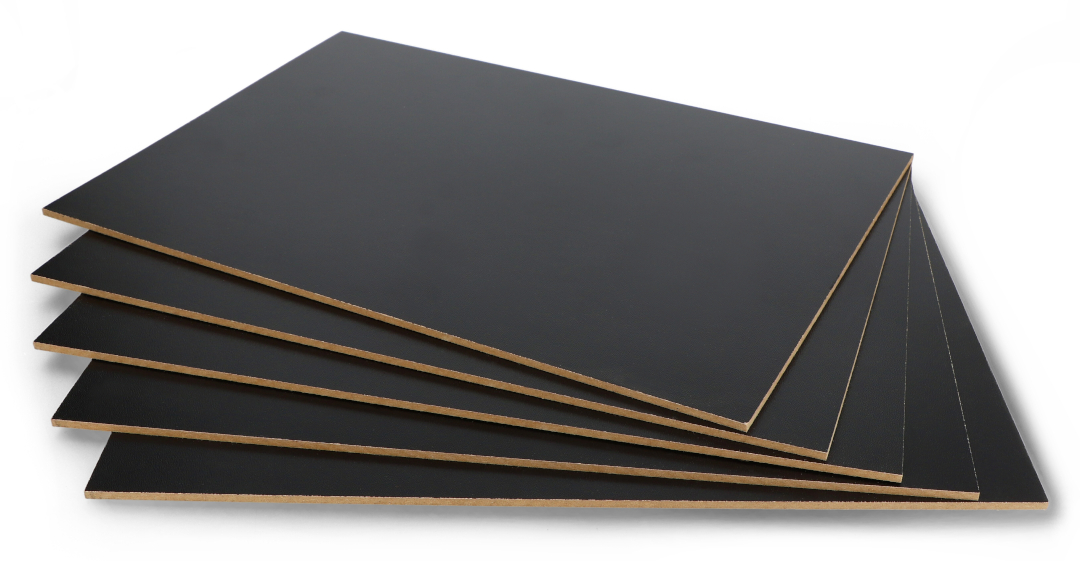
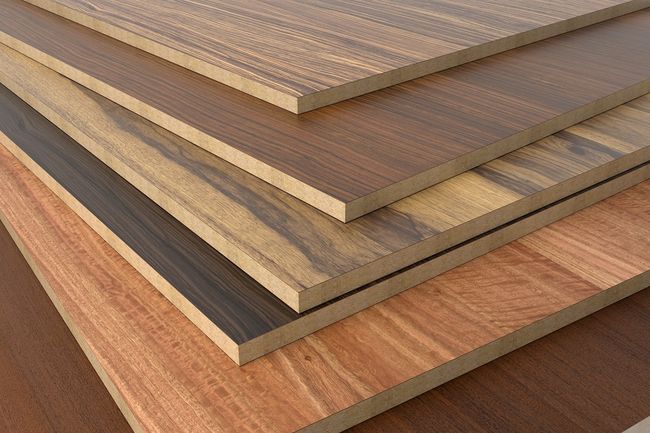
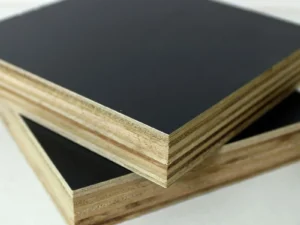
HDF Boards are premium, high-density engineered wood panels manufactured from refined wood fibers, wax, and a thermosetting resin binder under extreme pressure and temperature. They are primarily used in high-stress flooring, cabinetry backs, and industrial component manufacturing where surface uniformity and impact resistance are critical. The key value proposition lies in delivering superior dimensional stability and point-load deflection resistance compared to standard MDF or plywood, enabling thinner profiles without compromising mechanical integrity. In a market increasingly driven by lightweight construction and just-in-time manufacturing, HDF provides a strategically essential substrate for value-added finishing and precision machining.
2. Key Specifications & Technical Characteristics
-
Material Components: Virgin or recycled wood fibers (species mix optimized for density), melamine-urea-formaldehyde (MUF) or phenol-formaldehyde (PF) resin (CARB Phase 2 / EPA TSCA Title VI compliant upon request), food-grade paraffin wax
-
Density Range: 850 – 950 kg/m³ (standard); up to 1,100 kg/m³ for high-moisture-resistance grades
-
Thickness Tolerance: ±0.2 mm for milled panels; ±0.1 mm for sanded precision grade
-
Physical Form: Rigid panels, rectangular; natural light tan to medium brown
-
Standard Dimensions: 1220 x 2440 mm (4’ x 8’); 1830 x 3660 mm (6’ x 12’) available on lead time
-
Internal Bond Strength: ≥ 1.2 N/mm² (tested per EN 319)
-
Moisture Content: 5 – 8% (equilibrium for temperate climates)
-
Packaging Options: Shrink-wrapped pallets with edge protectors, interleaved kraft paper, or moisture-barrier bagging for maritime export. Pallet weight: 1,200 – 1,800 kg net.
-
Shelf Life: 12 months in original packaging (≤ 65% RH, 20°C); performance validated for 6 months in non-climate-controlled warehousing
3. Core Industrial Applications
-
Laminate Flooring (High-Traffic Commercial): Used as the dense core layer beneath decorative paper and wear layer. Why superior: HDF’s higher screw-holding force and lower thickness swell (<12% after 24h water immersion) outperform standard MDF, reducing edge-cupping claims in retail and hospitality flooring.
-
Cabinet Backs & Drawer Bottoms (Furniture Manufacturing): Replaces plywood for smooth, router-ready surfaces. Advantage: Eliminates telegraphing of grain patterns through veneers; allows for tight-radius CNC routing without chipping.
-
Automotive & Transit Paneling (Headliners, Sidewalls): Used as a substrate for acoustic felt or vinyl lamination. Cost advantage: Consistent density reduces adhesive consumption by ~15% versus variable-density particleboard.
-
Pre-finished Wall Paneling (Modular Construction): Direct-printed or foil-laminated HDF. Efficiency: Requires no secondary sanding, lowering finishing line rejection rates by up to 20%.
4. Competitive Advantages
-
Quality Consistency: Statistical process control (SPC) with real-time density profiling; every batch includes EN 622-5 test certification. Thickness variation < 0.1 mm within pallet.
-
Supply Reliability: Multiple production lines (Asia, Eastern Europe) with 50,000+ m³/month capacity; safety stock held in Rotterdam, Houston, and Shanghai hubs. 96% on-time-in-full (OTIF) rate over trailing 12 months.
-
Logistics Capability: Pre-slung and container-optimized pallet dimensions reduce stowage factor. Cube utilization: 28–30 pallets per 40’ HC container.
-
Price Competitiveness: Direct mill pricing with volume-based quarterly adjustments; lower insurance & warehousing costs due to moisture-resistant packaging standard.
-
Sustainability Benefits: Up to 70% post-industrial recycled fiber content (certified); low-formaldehyde (E-0.5 / CARB Phase 2) offered without upcharge for contract volumes ≥ 3 containers.
-
Technical Support: Full CAD library (dado, joinery, and routing specs); on-call application engineering for high-moisture or fire-retardant modifications.
5. Commercial & Supply Information
-
Minimum Order Quantity (MOQ): BULK 20MT (approximately 16–18 pallets / one full 20’ dry container equivalent)
-
Loading Capacity per 40’ High Cube Container: 26 – 28 metric tons (arranged as 28–30 pallets of 900–1,000 kg net each, depending on thickness and density grade)

Reviews
There are no reviews yet.