
Description
1. Product Overview
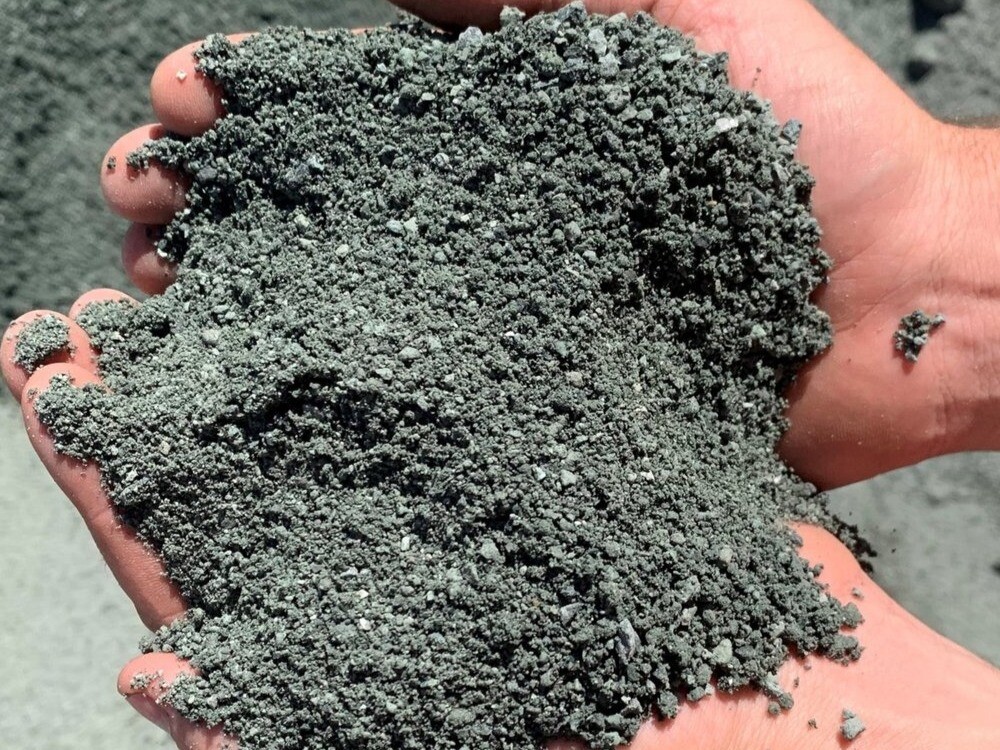
Steel Mill Dust (SMD) is a high-value zinc-bearing secondary material recovered from electric arc furnace (EAF) dust collection systems during steel recycling. Its primary industrial use is as a feedstock for zinc and lead recovery via Waelz kilns, rotary hearth furnaces, or hydrometallurgical processes. The key value proposition lies in transforming an environmental liability into a profitable secondary resource, offering a cost-effective alternative to virgin zinc concentrates. With global zinc demand tightening and landfill regulations intensifying, SMD is strategically critical for circular economy leadership and securing critical metal supply chains.
2. Key Specifications & Technical Characteristics
-
Chemical Composition: Zinc (Zn): 15% – 35% (typical); Lead (Pb): 2% – 8%; Iron (Fe): 20% – 35%; Calcium (CaO): 5% – 12%; Chlorine (Cl): <1.5% (low-chloride grade available)
-
Purity Grade: Industrial recovery grade (not for direct metallurgical use without processing)
-
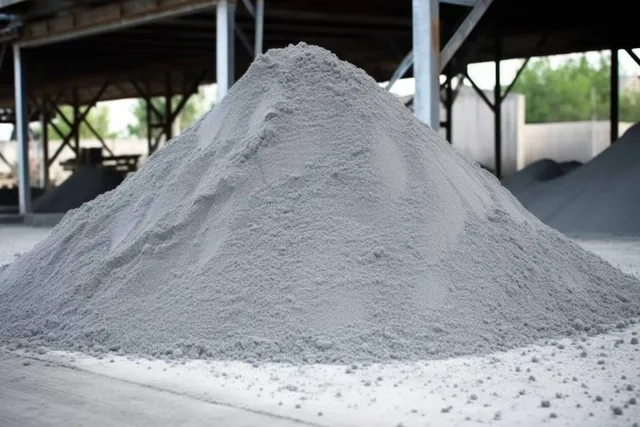
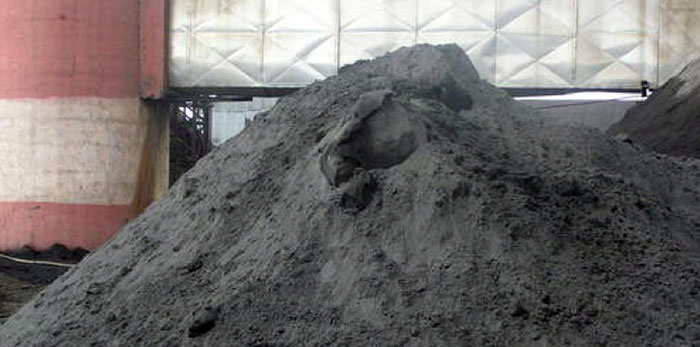
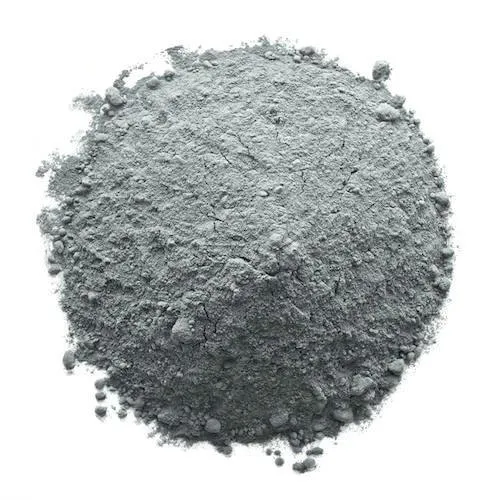
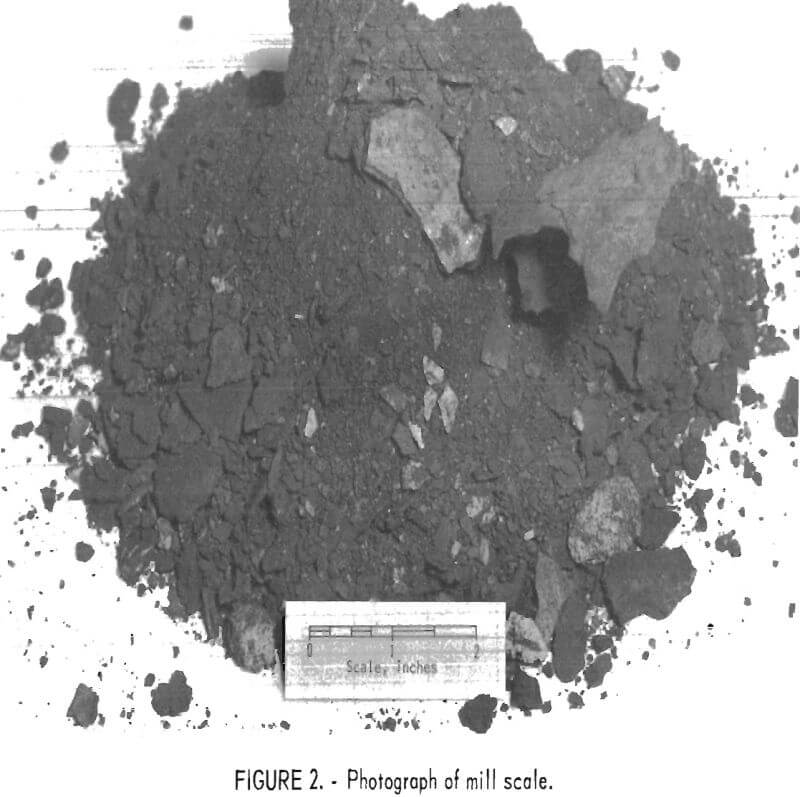
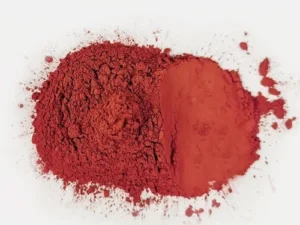
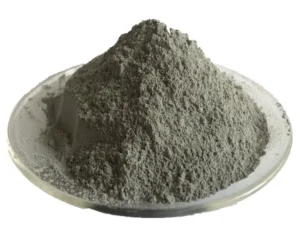
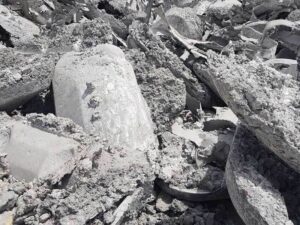
Physical Form: Fine, dry powder; grey to reddish-brown color
-
Particle Size: 95% passing 150 µm (100 mesh); typical mean D50: 30–70 µm
-
Bulk Density: 1.8 – 2.2 t/m³ (loose); 2.4 – 2.8 t/m³ (tapped)
-
Moisture Content: <1% as shipped (kiln-ready)
-
Packaging Options: 1.5 MT big bags (weatherproof, UV-stabilized); 20 MT open-top containers with liners; pneumatic tanker bulk (enclosed)
-
Shelf Life: 12 months when stored in dry, covered conditions (no degradation, but agglomeration risk beyond 18 months)
3. Core Industrial Applications
-
Primary Industry: Zinc smelting and secondary metal recovery (Waelz kiln operators, rotary hearth furnace facilities)
-
Operational Use Case 1: Feedstock for zinc oxide (ZnO) production → yields crude ZnO for galvanizing or chemical grade after refining
-
Operational Use Case 2: Lead and cadmium recovery via hydrometallurgical leaching (replaces lower-grade oxide ores)
-
Why It Performs Better: Compared to low-grade zinc ores (8–12% Zn), SMD delivers 2–3x higher Zn concentration with pre-reduced iron content, lowering energy consumption per ton of recovered metal by ~18–22%. Its fine particle size eliminates grinding costs.
-
Cost Advantage: Priced at 15–30% discount vs. zinc concentrates on a contained-metal basis, while generating carbon credits via landfill diversion.
4. Competitive Advantages
-
Quality Consistency: Every batch assayed by XRF and ICP-OES; certificate of analysis (COA) provided. Zn grade variance ≤ ±1.5% across shipments.
-
Supply Reliability: Long-term take-or-pay agreements with integrated steel mills; minimum 5,000 MT monthly available from single source.
-
Logistics Capability: Dedicated fleet of enclosed pneumatic tankers and containerized loading; export-ready from three deep-water ports (US Gulf, Rotterdam, Shanghai).
-
Price Competitiveness: Formula pricing based on LME Zn + Pb minus treatment charge (TC); fixed-price contracts available for 6–12 months.
-
Sustainability: 100% diverted from hazardous waste landfill; ISO 14001-certified processing; eligible for Scope 3 emission reduction credits for buyers.
-
Technical Support: Full metallurgical advisory for kiln feed optimization and baghouse integration; sampling protocols and arbitration terms included.
5. Commercial & Supply Information
-
Minimum Order Quantity (MOQ): 500 MT (trial shipment) / 2,000 MT (contractual)
-
BULK Order: 20 MT (minimum per lot)
-
Loading Capacity per 20-ft Container: 22 MT (big bags or loose bulk with liner)
*Note: For 40-ft HC container, maximum 26 MT due to volumetric density limits.* -
Incoterms offered: FOB vessel, CFR, CIF (major global smelting hubs)
-
Lead time: 14 days from L/C confirmation or advance payment for spot orders; recurring monthly shipments under master agreement
Reviews
There are no reviews yet.