
Description
1. Product Overview
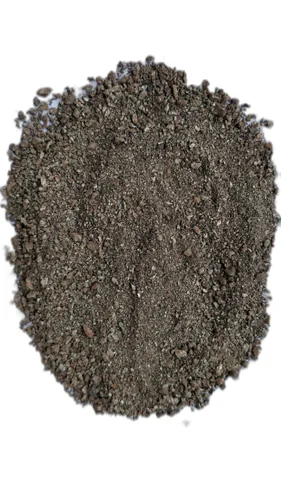
Ferrochrome Dust is a high-chromium, fine-particle by-product generated during the smelting of high-carbon ferrochrome, representing a cost-effective secondary raw material for specialized metallurgical and chemical applications. Its primary industrial use lies in the production of stainless steel, low-alloy steels, and chromium chemicals, where it serves as a chromium-rich additive or agglomerated feedstock. The key value proposition is delivering consistent Cr₂O₃ content at a significantly lower price point than standard ferrochrome alloys, enabling buyers to reduce raw material costs without sacrificing final product performance. Strategically, this product is critical for manufacturers seeking to optimize input economics in a volatile chrome ore market while supporting circular economy objectives.
2. Key Specifications & Technical Characteristics
-
Chemical Composition (typical): Cr₂O₃: 45–55%, FeO: 20–30%, SiO₂: 4–8%, MgO: 10–15%, Al₂O₃: 3–6%, C: 1–2.5%
-
Purity / Grade: Industrial grade; available in standard (48% Cr₂O₃ min) and premium (52% Cr₂O₃ min) specifications
-
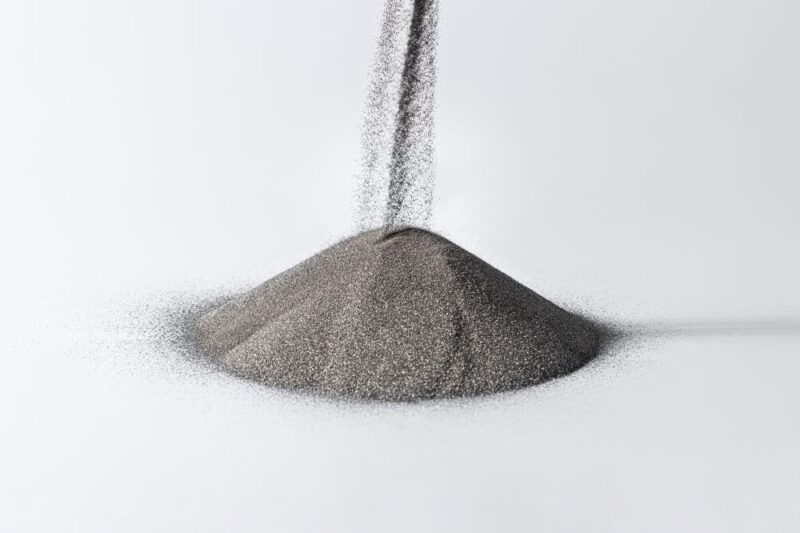
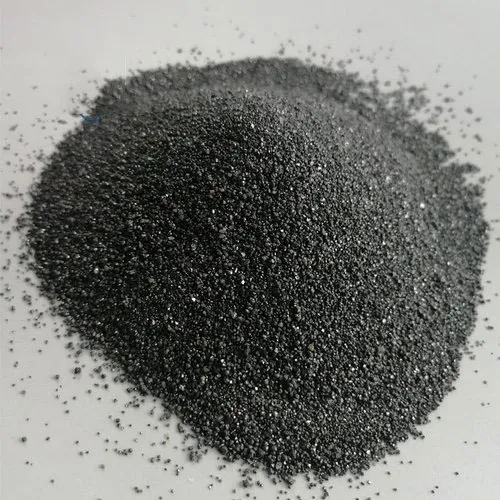
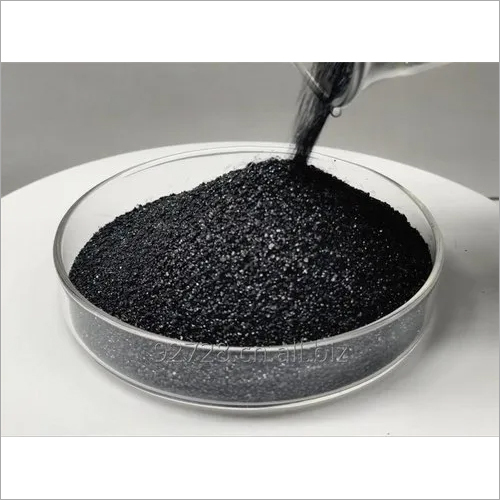
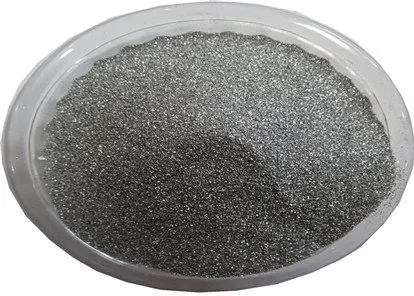
Physical Form: Fine dust / powder
-
Color: Dark grey to black
-
Particle Size: 95% passing 150 microns; 85% passing 75 microns (sieve analysis report available per lot)
-
Bulk Density: 1.6 – 2.0 g/cm³ (loose), 2.2 – 2.6 g/cm³ (tapped)
-
Moisture Content: <1.5% as shipped
-
Packaging Options: 1 MT jumbo bags (weather-protected), 25 kg multilayer paper sacks, or bulk pneumatic tanker loading
-
Shelf Life: 24 months when stored in dry, covered conditions away from strong oxidizers
3. Core Industrial Applications
-
Primary Industries: Stainless steel manufacturing, ferroalloy production, refractory materials, and chromium salt production.
-
Specific Use Cases:
-
Steelmaking: Used as a chromium source in ladle metallurgy or sintered into briquettes for electric arc furnace (EAF) feed, replacing up to 15% of standard ferrochrome.
-
Refractories: Acts as a chromite substitute in monolithic castables and ramming mixes for high-temperature zones.
-
Chemical production: Input for sodium dichromate and chromium oxide green manufacturing.
-
-
Performance Advantages: Lowers melting cost compared to lumpy ferrochrome (up to 20% cost reduction per unit Cr); finer particle size accelerates dissolution in slag-metal reactions; consistent chemistry reduces alloy rework.
-
Efficiency gain: When agglomerated via cold-bonding, achieves comparable chromium recovery (88–92%) to conventional ferrochrome at a lower energy input.
4. Competitive Advantages
-
Quality consistency: Each shipment is accompanied by a certified mill analysis (XRF) and particle size distribution report; lot-to-lot variation maintained within ±1.5% Cr₂O₃.
-
Supply reliability: Stock availability from three geographically diverse processing facilities (South Africa, Kazakhstan, India) with 24/7 dispatch capability.
-
Logistics capability: Export-ready documentation (MSDS, packing list, commercial invoice, certificate of origin) provided within 24 hours of order confirmation.
-
Price competitiveness: Priced at 60–70% of standard high-carbon ferrochrome per metric ton on a Cr-unit basis, with volume-based discounts for contracts >500 MT/month.
-
Sustainability benefit: Diverts industrial by-product from landfill; lowers CO₂ footprint by ~0.8 t CO₂/t compared to virgin ferrochrome production.
-
Technical support: Free briquetting feasibility analysis and binder recommendations for buyers who require agglomeration.
5. Commercial & Supply Information
-
Minimum Order Quantity (MOQ): 20 metric tons (bulk)
-
Bulk Loading Capacity: 20 MT per standard 20-foot dry container (jumbo bagged); 25 MT per 20-foot container (bulk liner)
-
Pricing basis: Ex-works or CIF major global port (Rotterdam, Durban, Mundra, Shanghai)
-
Payment terms: LC at sight or 30% advance + 70% against BL copy (subject to credit approval)
-
Lead time: 7–14 days from order confirmation for MOQ; 21 days for full container loads

Reviews
There are no reviews yet.