
Description
-
Product Overview
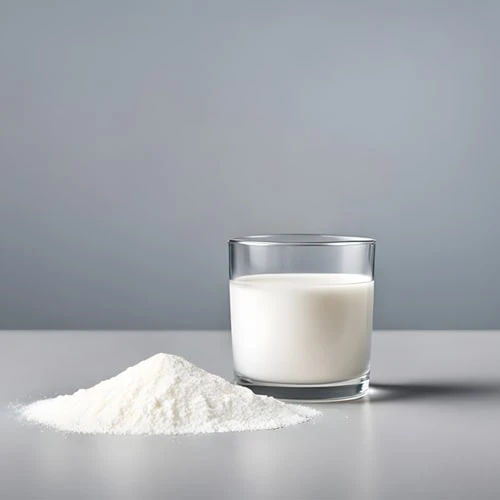
Sodium Caseinate is a high-purity milk-derived protein salt produced by neutralizing casein with sodium hydroxide. It functions as an effective emulsifier, stabilizer, and film-former in industrial formulations, delivering reliable functional performance in food ingredient systems, adhesives, coatings, and specialty chemical applications. Its key value proposition is consistent functional functionality (emulsification, water-binding, film formation) combined with food-grade quality and scalable supply. Strategically, Sodium Caseinate is critical for manufacturers seeking a reproducible, multi-functional protein ingredient that improves product stability, texture, and adhesion while enabling streamlined formulation and regulatory compliance across global markets. -
Key Specifications & Technical Characteristics
-
Chemical composition: Sodium salt of milk casein (predominantly α-, β- and κ-casein fractions).
-
Typical protein content: 90–95% (dry basis) depending on grade.
-
Moisture content: ≤6% (typical industrial grade).
-
Ash content (as Na salts): 8–12% (grade dependent).
-
pH (10% aqueous solution): 6.5–7.5.
-
Solubility: Rapidly dispersible in water, forming clear to slightly opalescent solutions at recommended concentrations.
-
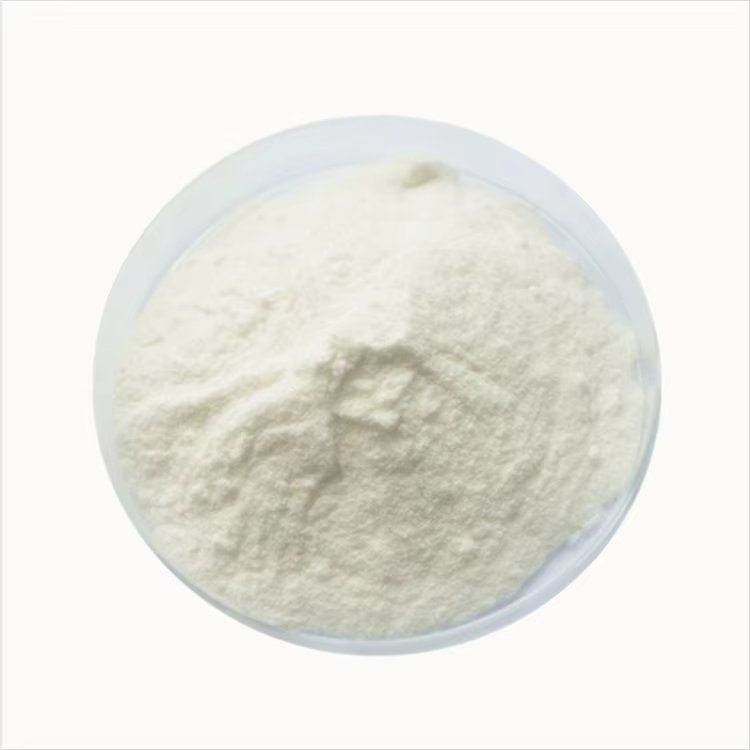
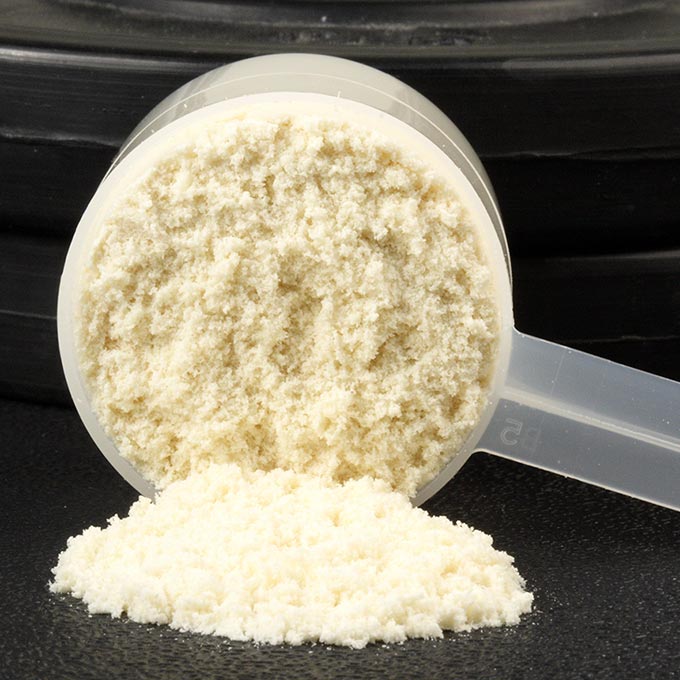
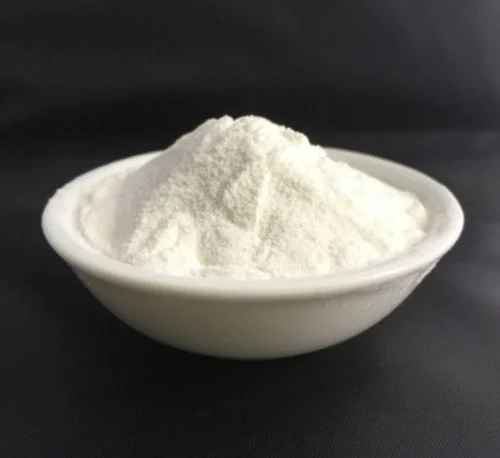
Physical form: Fine to medium powder; free-flowing (also available agglomerated on request).
-
Bulk density: 500–700 kg/m³ (typical; packed density varies by packaging).
-
Color: Off-white to cream.
-
Particle size: D50 typically 50–150 µm (custom milling available).
-
Microbiological specs: Total plate count, yeast & mold limits and absence of Salmonella and Listeria available per certificate of analysis (COA) for food-grade lots.
-
Allergen declaration: Contains milk — suitable for non-vegetarian labeling requirements; not lactose-free unless specified.
-
Packaging options: 25 kg kraft/PE multiwall bags, 500 kg FIBC, and bulk tanker loads for slurries; bespoke packaging upon agreement.
-
Shelf life: 12–24 months under cool, dry storage (<25°C, <65% RH), unopened.
-
Certification & documentation: COA, GMP declaration, HACCP/FSMS documentation and traceability data available on request for food-grade shipments.
-
Core Industrial Applications
-
Food & Beverage: Emulsifier and protein extender in processed cheese, dairy analogs, beverage emulsions, bakery fillings, and nutritional formulations — improves mouthfeel, emulsion stability and water retention versus plant proteins.
-
Confectionery & Ice Cream: Stabilizes fat and air phases, reduces ice recrystallization, and enhances creaminess, delivering consistent texture and melt profile.
-
Adhesives & Coatings: Functions as a biodegradable binder/film former in paper adhesive, textile sizing and architectural coatings, offering strong adhesion and film integrity compared with synthetic binders in select eco-sensitive applications.
-
Pharmaceuticals & Nutraceuticals: Used in capsule and tablet formulations as binder/stabilizer and in protein-based nutritional products for controlled release and solubility.
-
Specialty Chemicals: Employed in formulations requiring biodegradable, protein-based surfactants or dispersants.
Why it performs better: Sodium Caseinate offers superior emulsification and film-forming properties per unit protein compared with many plant proteins, provides predictable functional behavior across pH and ionic strengths, and integrates seamlessly into aqueous process lines, lowering reformulation risk and improving batch-to-batch consistency.
-
Competitive Advantages
-
Quality consistency: Produced under controlled processes with lot-level COA and specification stability to support regulated manufacturing.
-
Supply reliability: Scalable production and contracted raw milk sourcing ensure continuity for high-volume industrial programs.
-
Logistics capability: Available in standard industrial packaging (25 kg bags, 500 kg FIBCs, bulk) with palletization and container-ready loading; export-ready documentation to major global ports.
-
Price competitiveness: Competitive cost-in-use relative to specialty proteins due to high functional potency; pricing tiers for long-term contracts and volume commitments.
-
Sustainability: Derived from dairy co-product streams, enabling valorization of milk proteins and improved overall supply-chain resource efficiency; options for supplier sustainability certifications available.
-
Technical support: Formulation guidance, COA data, stability testing, and regulatory dossiers provided to support product development and compliance workflows.
-
Commercial & Supply Information
-
Minimum order quantity (MOQ) BULK: 20 MT.
-
Loading capacity (MT per container): Standard 20-foot container: up to 20 MT in palletized 25 kg bags (depending on bagting and pallet configuration); 40-foot HC container: up to 24–26 MT; bulk FIBC/container loads configured per customer logistics.

Reviews
There are no reviews yet.