
Description
-
Product Overview
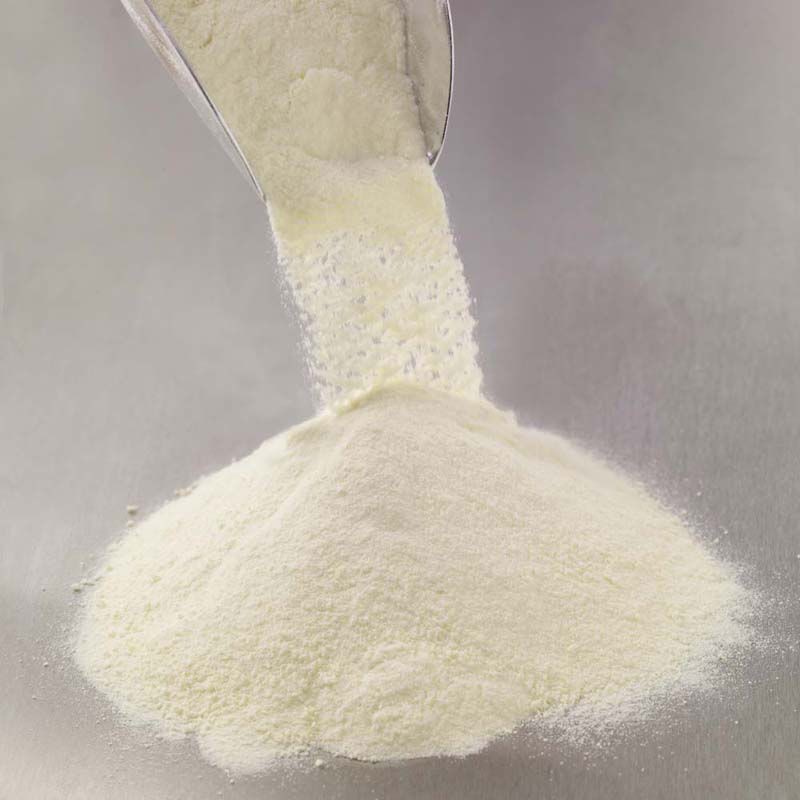
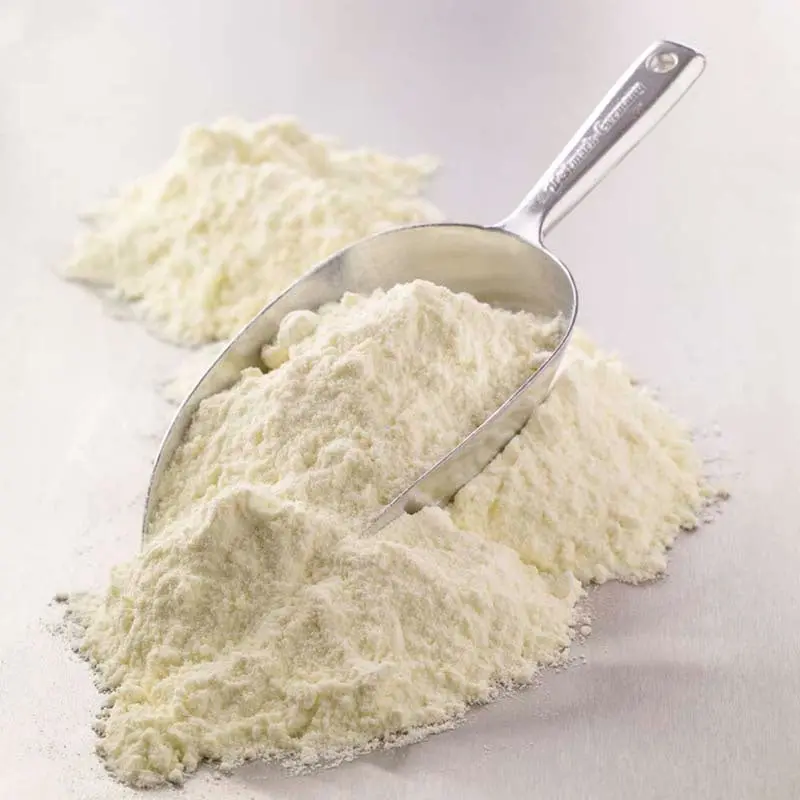
Skim Milk Powder (SMP) is a concentrated dairy ingredient produced by removing milk fat and evaporating water from fresh milk to create a shelf‑stable powdered product. It serves as a high-protein, low-fat raw material for food manufacturing, beverage formulation, bakeries, confectionery, and nutritional products. SMP’s key value proposition is consistent functional performance—solubility, protein content, and microbial quality—that enables predictable processing yields and stable product characteristics at scale. Strategically, SMP is a cornerstone dairy commodity for industrial formulators seeking cost‑effective protein, enhanced mouthfeel, and supply chain resilience in global manufacturing networks. -
Key Specifications & Technical Characteristics
-
Chemical composition: Milk solids non‑fat (MSNF) primarily lactose, milk proteins (casein and whey), minerals (calcium, phosphorus), trace vitamins.
-
Typical protein (dry basis): 34%–36% (adjustable by grade).
-
Fat content: ≤1.5% (standard SMP); specialist low-fat grades available.
-
Moisture content: ≤4.0% (typical commercial specification).
-
Ash (minerals): ~7.0% (typical).
-
Microbiological: Total plate count, coliforms, Salmonella, Staphylococcus aureus—supplied with batch certificates; UHT/heat‑treated processing options to meet industrial food safety standards.
-
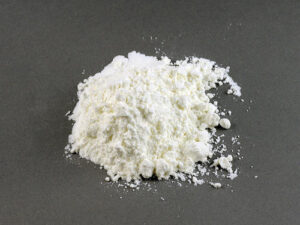
Physical form: Free‑flowing powder.
-
Color: Off‑white to cream.
-
Particle size: 100–300 µm (typical; mesh/sieve specifications available on request).
-
Bulk density: 0.36–0.48 g/mL (loose) depending on processing and packaging.
-
Solubility index: High dispersibility in water with minimal sediment; reconstitution performance validated at standard usage temperatures.
-
Packaging options: 25 kg multi‑wall paper bags with PE liner, 500 kg and 1000 kg bulk sacks (FIBC), ISO tank/loose bulk for vessels where applicable.
-
Shelf life: 12–24 months under cool, dry storage (subject to packaging and storage conditions); recommended storage ≤25°C, relative humidity <65%.
-
Documentation: Certificate of Analysis (CoA), Health & Sanitary certificates, MSDS, allergen declaration, and HACCP/ISO documentation available per shipment.
-
Core Industrial Applications
-
Food manufacturing: Bakery (improves crumb structure and water retention), confectionery (standardizes solids content), dairy reconstitution (yogurt, cheese blends), and ready meals (nutritional fortification).
-
Beverage industry: Powdered beverage mixes, high‑protein sports drinks, and dairy blends requiring stable protein content and mouthfeel.
-
Nutraceuticals and infant/medical nutrition: Base protein source in powdered formulations where controlled protein and low fat are essential (subject to regulatory grade).
-
Food service and institutional kitchens: Long‑shelf ingredient for sauces, soups, and dairy replacements that reduces logistics complexity vs. liquid milk.
Why it outperforms alternatives: -
Consistent functional properties: Controlled protein and moisture ensure predictable gelling, emulsification, and rehydration compared with on‑site milk blending.
-
Cost efficiency: Lower transport and storage costs versus liquid milk; higher yield per transport volume.
-
Operational reliability: Long shelf life and stable handling reduce downtime and product loss during production runs.
-
Competitive Advantages
-
Quality consistency: Tight lot‑to‑lot specifications backed by analytical CoAs and traceability systems to support large‑scale manufacturing quality programs.
-
Supply reliability: Established sourcing networks and scheduled bulk production capacity to meet continuous demand and minimize supply interruptions.
-
Logistics capability: Flexible packaging and containerized bulk options facilitate efficient freight utilization and quick integration into industrial supply chains.
-
Price competitiveness: Commodity pricing model with volume discounts and contract pricing available for strategic buyers.
-
Sustainability benefits: Lower carbon footprint per ton delivered compared with liquid milk due to reduced weight and transport volume; options for sourcing from suppliers with sustainable farming practices available.
-
Technical support: Application guidance, formulation support, and specification tailoring provided by technical teams; regulatory documentation and product trials supported on request.
-
Commercial & Supply Information
-
Minimum order quantity (MOQ): BULK 20 MT
-
Loading capacity (MT per container): 20 MT per 20‑ft container (bagged/FIBC); up to ~22–24 MT for optimized loading of 20‑ft containers depending on packaging and pallet configuration; 25–26 MT for 40‑ft container when bagged (subject to final packaging and local transport regulations)
Reviews
There are no reviews yet.