

Description
1. Product Overview
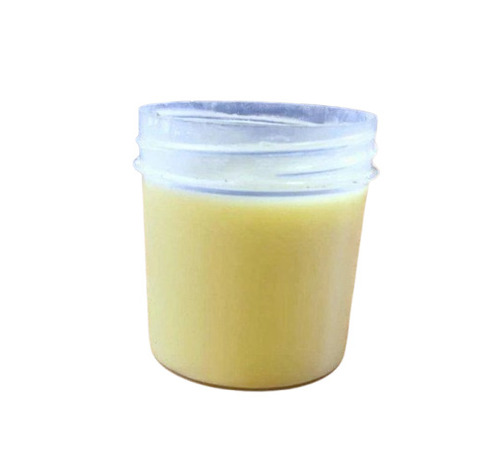
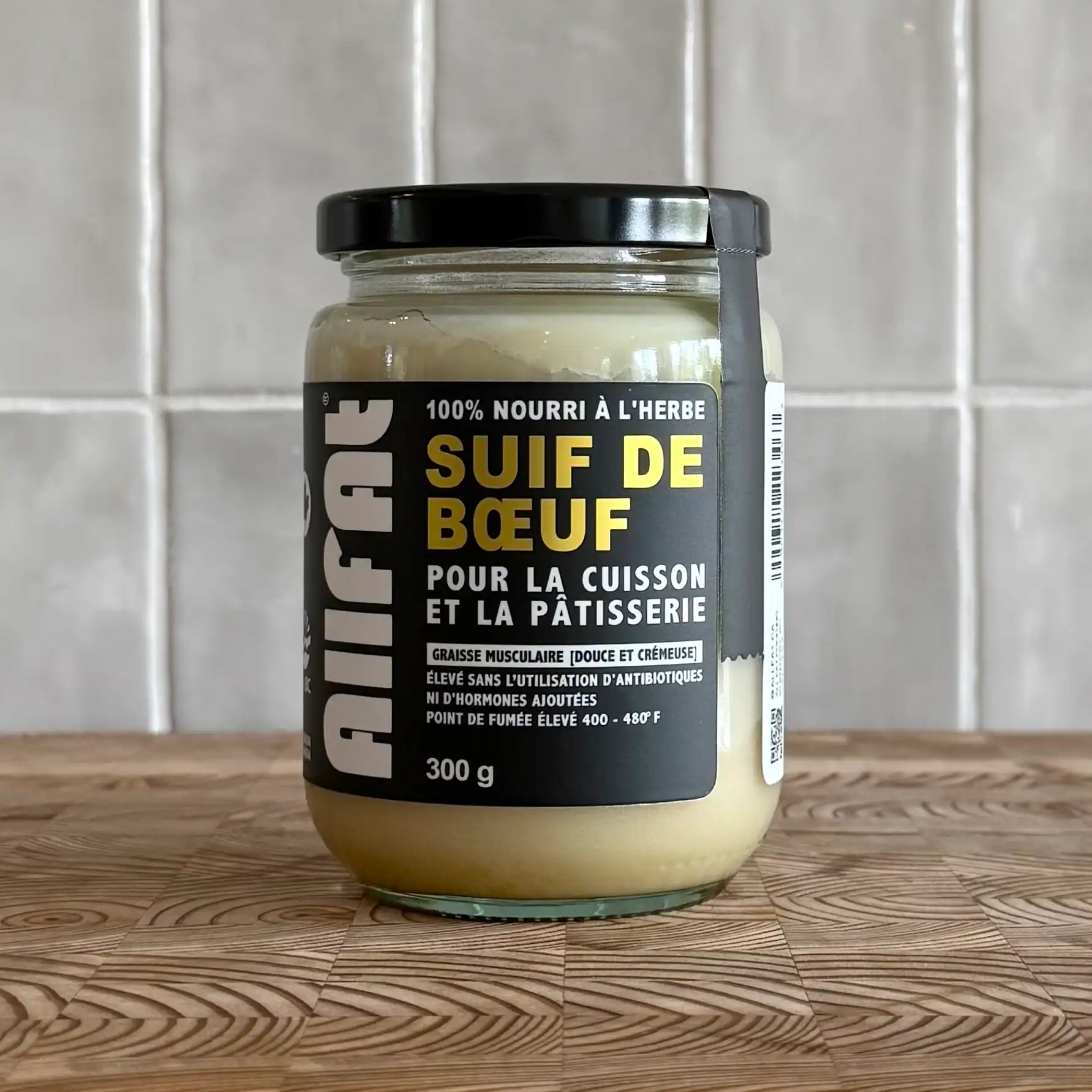
Animal Tallow (Feed Grade Fat) is a high-energy, rendered fat derived exclusively from ruminant animal tissues, processed under strict industrial standards for incorporation into compound animal feed. Its primary industrial use is as a calorie-dense lipid supplement in livestock and aquaculture rations, significantly improving feed efficiency and weight gain. The key value proposition is a consistent, cost-effective energy source that enhances palatability and reduces dust in feed mills while delivering metabolizable energy levels superior to many vegetable oils. In a volatile commodity market where feed costs represent 60–70% of production expenses, securing a reliable, high-purity tallow supply is a strategic lever for margin stability and operational continuity.
2. Key Specifications & Technical Characteristics
-
Chemical Composition: Primarily triglycerides of palmitic, stearic, and oleic acids; free fatty acid (FFA) content ≤ 5% (Feed Grade standard)
-
Purity Level: 99.5% pure animal fat; minimum 98% saponifiable matter
-
Physical Characteristics:
-
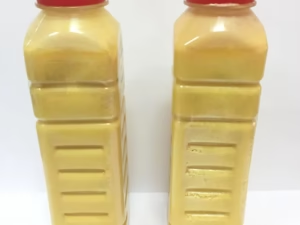
Form: Solid off-white to creamy-yellow fat at ambient temperature (melting point 42–48°C / 108–118°F)
-
Moisture & Insoluble Impurities (MIU): ≤ 1.0%
-
Unsaponifiable Matter: ≤ 0.8%
-
Peroxide Value: ≤ 5 meq O₂/kg (freshness indicator)
-
-
Packaging Options: Bulk flexitanks (20MT), 1,000L IBC totes, or 200kg net steel drums with food-grade liners
-
Shelf Life: 12 months when stored in cool (<25°C), dry conditions away from direct sunlight; ≥ 24 months in sealed, nitrogen-flushed containers
3. Core Industrial Applications
-
Primary Industries: Compound feed manufacturing, aquaculture feed production, pet food industrial lines, and biofuel precursor blending
-
Specific Operational Use Cases:
-
Poultry & Swine Rations: Increases dietary energy density by 2.5–3x compared to corn, reducing feed conversion ratios (FCR) by 4–7%
-
Ruminant TMR (Total Mixed Rations): Supplies bypass energy for lactating dairy cows, boosting milk fat content and output
-
Aquafeeds (Tilapia, Salmon, Shrimp): Essential for cold-water species’ metabolic needs; improves pellet binding and water stability
-
-
Performance Advantage: Superior to soybean oil and palm oil in thermal stability during feed pelleting (less oxidation at 80–90°C) and lower cost per megajoule of metabolizable energy. Reduces feed dust by 60–70% in milling operations, lowering material loss and improving plant hygiene.
4. Competitive Advantages
-
Quality Consistency: Every batch GC-tested for FFA, MIU, and peroxide value; ISO 17025-certified lab reports provided with each shipment. Zero detectable ethoxyquin or BHA/BHT unless requested.
-
Supply Reliability: Backed by dual-source rendering partnerships across three continents; safety stock maintained at 5,000MT in climate-controlled silos. Average on-time delivery rate: 98.7% (past 24 months).
-
Logistics Capability: Dedicated fleet of heated tankers and ISO tank containers; real-time temperature tracking from loading to discharge. Port-to-factory lead times under 14 days for major routes (Rotterdam, Houston, Shanghai, Santos).
-
Price Competitiveness: Contract pricing indexed to Chicago Board of Trade soybean oil (ZS) minus USD 180–220/MT, with quarterly adjustments via formula mechanism.
-
Sustainability: 100% from meat processing byproduct streams (no tallow from fallen stock). Certified ISCC EU for advanced biofuel feedstock. Reduces land-use pressure compared to palm or coconut oil.
-
Technical Support: Free access to in-house nutritionist team for ration formulation optimization; SDS, COA, and Halal/Kosher (where applicable) documentation available digitally within 24 hours.
5. Commercial & Supply Information
-
Minimum Order Quantity (MOQ): BULK 20MT (one flexitank or equivalent)
-
Loading Capacity per 20’ Standard Container: 20 metric tons (single flexitank)
-
Loading Capacity per 40’ Standard Container: Not applicable – bulk tallow in flexitanks requires 20’ containers only; IBC or drum configurations available on request for smaller volumes (MOQ then 4MT)
-
Lead Time: 7 days from P.O. confirmation for stock inventory; 21 days for production-to-shipment cycles
-
Incoterms Supported: FOB, CFR, CIF (major global ports)

Reviews
There are no reviews yet.