
Description
-
Product Overview
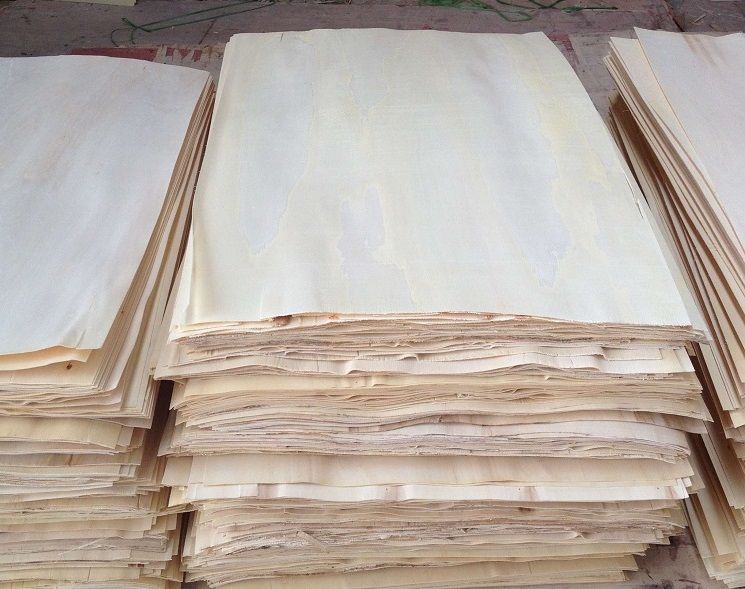
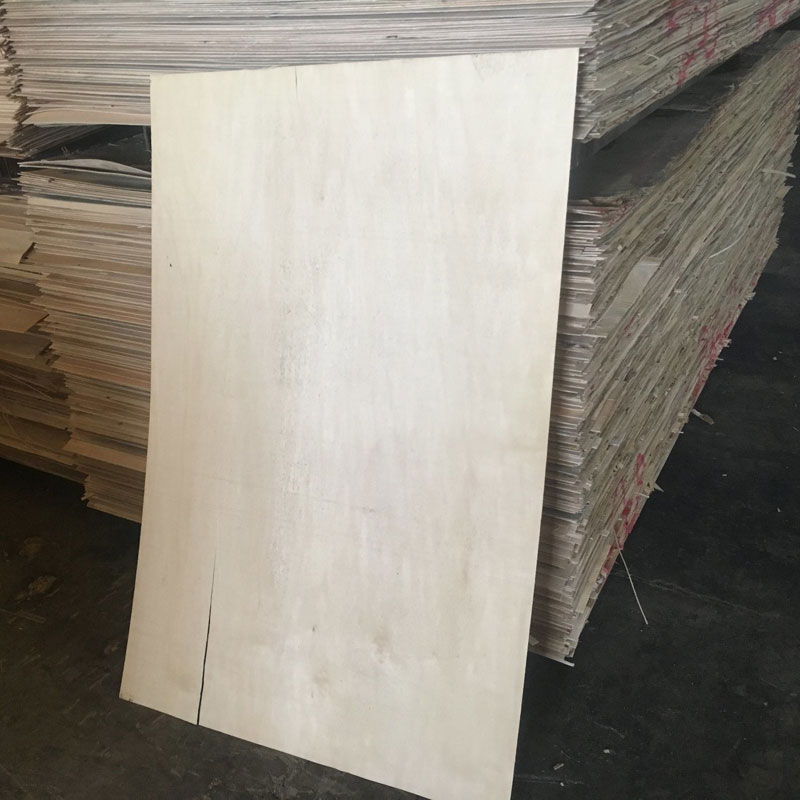
Rotary Veneer Poplar is a high-grade rotary-cut poplar veneer supplied for industrial plywood, LVL (laminated veneer lumber), core stock and composite panel production. Engineered for consistent thickness, surface quality and moisture equilibrium, it delivers reliable bonding and machining performance across automated lamination and pressing lines. The key value proposition is a uniform, low-defect roll-out veneer that reduces trimming waste, increases bond yield and improves finished-panel dimensional stability. Strategically, Rotary Veneer Poplar addresses supply-chain variability for large-scale wood products manufacturers seeking predictable feedstock for high-throughput production and optimized raw-material cost per m². -
Key Specifications & Technical Characteristics
-
Species: Populus spp. (Poplar), rotary-peeled veneer
-
Grade: Industrial/Commercial grade, suitable for structural and non-structural panel production
-
Thickness tolerance: 0.6–1.8 mm (standard production range), ±0.05 mm achievable by agreement
-
Width: Continuous sheet widths from 1.2 m to 2.5 m (cut-to-size on request)
-
Length: Roll or sheet lengths per customer specification; continuous roll format for automated lines
-
Moisture content: 6%–10% (controlled, kiln-dried), equilibrium moisture content for target climate on request
-
Surface: Smooth, free from machine checks and major defects; primer-ready for gluing and coating
-
Density: Typical oven-dry density 350–450 kg/m³ (species-dependent)
-
Defect rate: Standard tolerance for knots, splits, and holes per negotiated grade specification
-
Chemical treatment options: Untreated, preservative-treated, fire-retardant-treated, or resin-impregnated variants available (specify treatment type and concentration)
-
Packaging: Bundles on pallets, shrink-wrapped and strapped; bulk packing for 20 MT lots; custom packing for sea/air freight
-
Shelf life: Indefinite when stored in dry, ventilated conditions; recommended storage humidity 40%–65% RH to maintain bonding performance
-
Certifications: FSC/PEFC chain-of-custody and country-of-origin documentation available on request; phytosanitary certificates provided for export
-
Core Industrial Applications
-
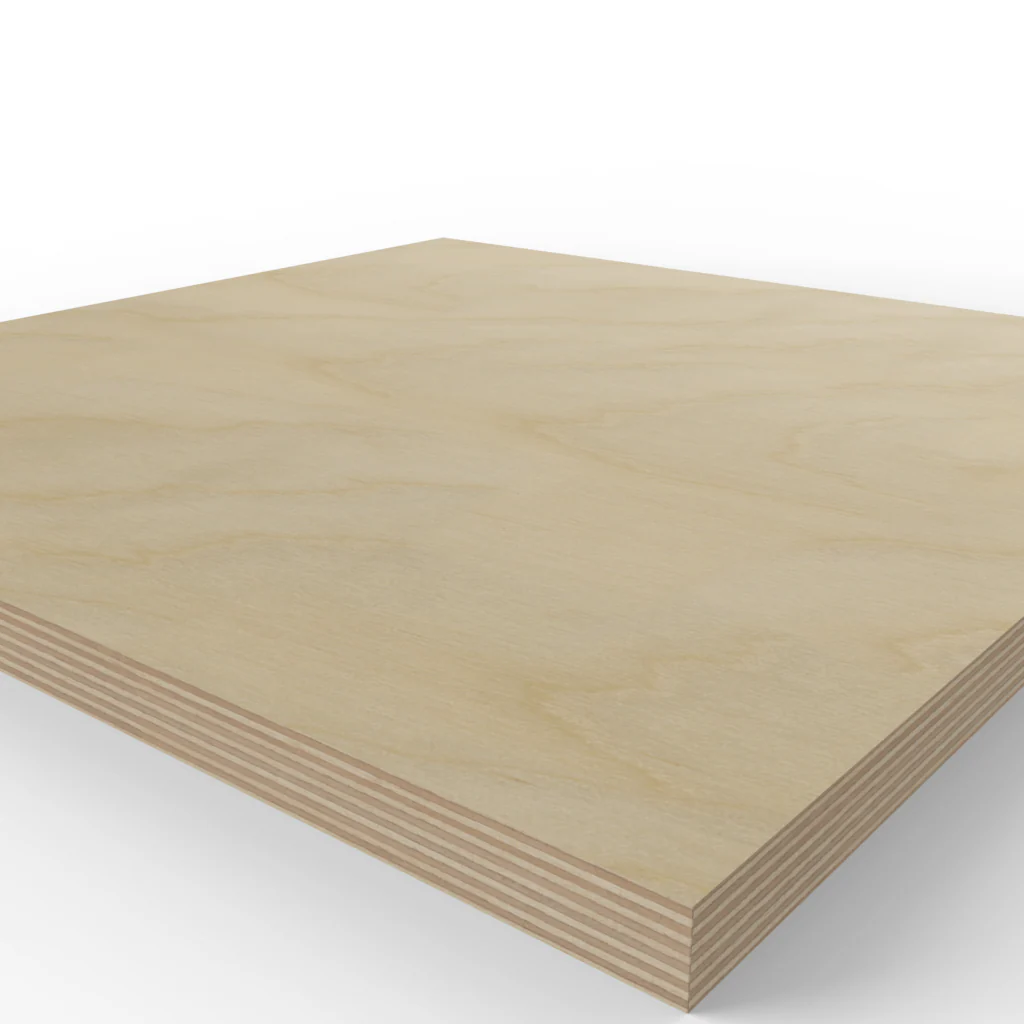
Plywood and LVL manufacturing: Primary feedstock for rotary-peeled core and face layers; optimized for consistent glue penetration and press-cycle reproducibility.
-
Engineered wood products: Used in manufacture of cross-laminated timber components, furniture panels, and interior laminates where low density and stable machining are required.
-
Composite panel production: Ideal for particleboard and MDF facing and lamination to improve surface quality and reduce overlay consumption.
-
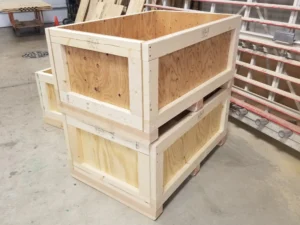
Packaging and crating: Lightweight, dimensionally stable panels for export crates and industrial packaging where strength-to-weight ratio matters.
Why it outperforms alternatives: -
Consistency: Rotary-peeled process provides uniform thickness and sheet continuity, minimizing machine stoppages and offcuts.
-
Bondability: Low and controlled moisture content plus smooth surface deliver superior adhesive wetting and higher bond yields versus irregular sawn veneers.
-
Cost efficiency: Higher usable yield per log and reduced downstream processing time lower overall cost per finished unit.
-
Machinability: Low-density poplar reduces cutter wear and energy consumption during panel production.
-
Competitive Advantages
-
Quality consistency: Tight process controls on peeling, drying and grading ensure repeatable veneer properties across shipments.
-
Supply reliability: Dedicated sourcing partnerships and scheduled production slots reduce lead-time variability for large recurring orders.
-
Logistics capability: Bulk loading and containerized export packaging optimized for 20 MT minimum palletized loads; experienced export documentation team for smooth cross-border delivery.
-
Price competitiveness: Economies of scale on batch production and flexible treatment/grade options allow tailored pricing for high-volume buyers.
-
Sustainability: Option for FSC/PEFC-certified supply and responsibly managed sourcing to meet corporate procurement policies.
-
Technical support: Specification sheets, glue compatibility guidance, and on-request laboratory test reports (moisture profile, density, defect analysis) to support qualification and QA integration.
-
Commercial & Supply Information
-
Minimum order quantity (MOQ): BULK 20 MT
-
Typical loading capacity: 20 MT per 20-ft container (palletized, depending on pallet configuration and moisture-controlled packaging); up to 24–26 MT per 40-ft container where pallet and stowage allow.
Reviews
There are no reviews yet.