
Description
Product Overview
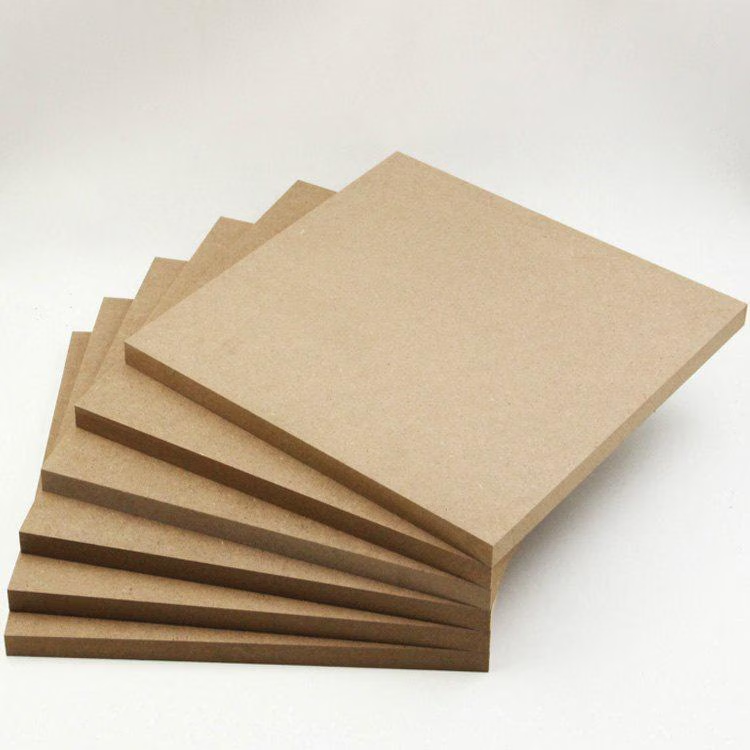
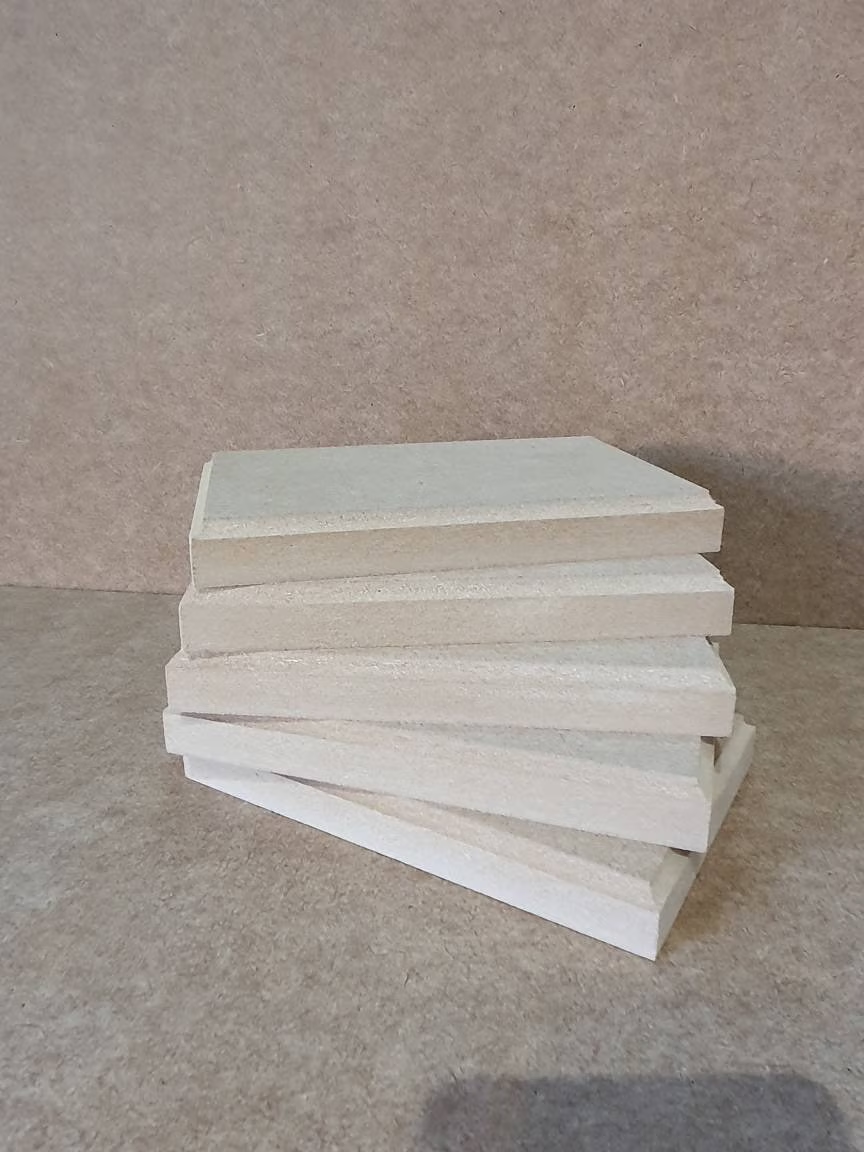
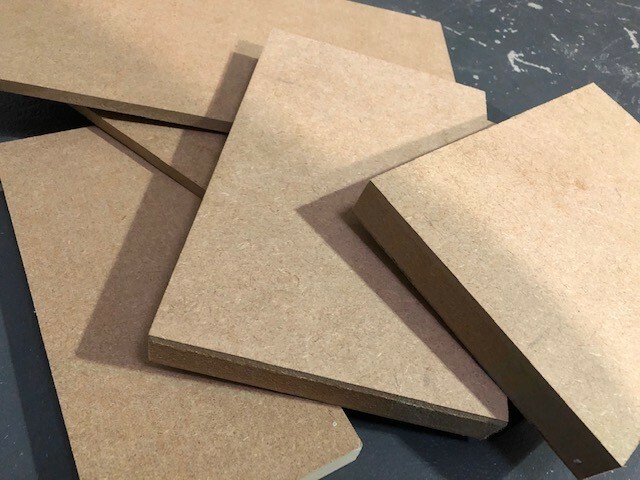
MDF Offcuts are reclaimed medium-density fibreboard remnants generated during industrial panel processing and furniture manufacturing. Primarily used as a low-cost raw material for wood-based composite reprocessing, biomass energy, and industrial filler applications, these offcuts convert waste into economically valuable feedstock. They deliver a predictable, homogenous wood-fiber profile that reduces feedstock variability, lowers input costs, and shortens material preparation time versus mixed wood wastes. Strategically, sourcing graded MDF offcuts supports circular manufacturing, reduces procurement complexity, and strengthens resilient supply chains for downstream processors and energy producers.
Key Specifications & Technical Characteristics
-
Material composition: Medium-density fibreboard (wood fibers, urea-formaldehyde resin binder, wax, mineral additives as applicable).
-
Typical binder content: 6–12% urea-formaldehyde resin (dependent on panel grade).
-
Moisture content at dispatch: 6–12% (custom conditioning available).
-
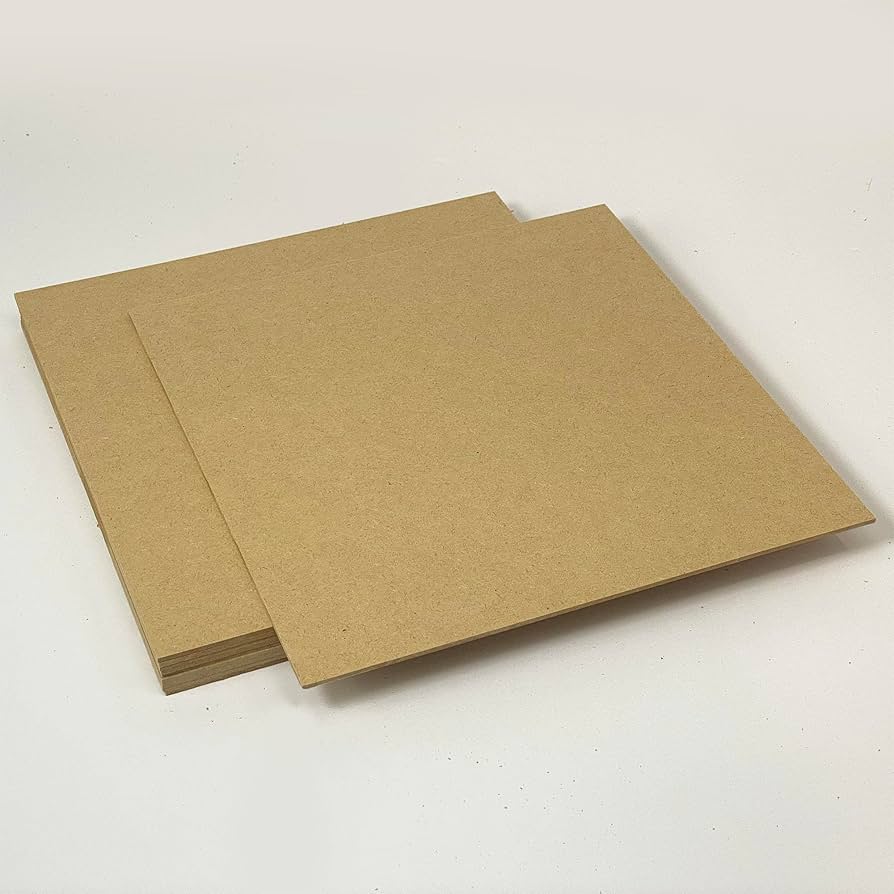
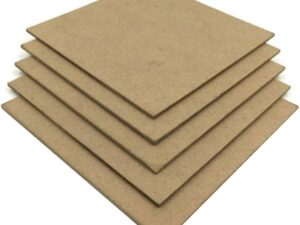
Physical form: Irregular offcut pieces and panels, sizes from small chips to panel slices (customer size-specs can be provided).
-
Particle size distribution: Mix of panel fragments and fibers; options for shredding to defined particle sizes on request.
-
Bulk density (loose): ~200–350 kg/m³ (compacted densities higher; bulk density can be specified per shipment).
-
Color: Light to medium brown with visible resin binders; color consistent with MDF production source.
-
Contaminant levels: Low foreign material incidence when supplied from controlled production lines; screening and foreign-matter removal services available.
-
Packaging and delivery formats: Loose bulk by tipper truck, jumbo bags (FIBC), palletized boxed bundles, or containerized bulk.
-
Shelf life: Stable under dry storage; recommended use within 12 months to avoid biodegradation and moisture uptake.
-
Compliance notes: Supplied from industrial MDF lines; buyer to confirm suitability for food-contact or sensitive applications due to binder chemistry.
Core Industrial Applications
-
Reconstituted panel production: Used as a consistent fiber feedstock for particleboard, MDF reprocessing, and oriented strand products, lowering virgin fiber demand and improving yield.
-
Composite and moulded products: Suitable for injection moulding analogues and filler in resin- and polymer-based composites where dimensional stability matters.
-
Biomass energy and briquetting: Reliable feedstock for pellet mills, briquette production, and industrial boilers; predictable calorific profile improves combustion control versus mixed wood wastes.
-
Industrial fillers and substrates: Employed as low-cost filler in cementitious mixes, landscaping substrates, and acoustic insulation cores.
-
Waste-to-resource programs: Ideal for manufacturers seeking to close-loop material streams; easier sorting and processing reduces pre-treatment costs compared with heterogeneous wood streams.
Why it performs better than alternatives
-
Homogeneity of fiber and binder profile yields consistent processing behavior and product quality versus mixed demolition or post-consumer wood.
-
Lower contamination risk reduces downtime and equipment wear.
-
Predictable moisture and density characteristics simplify drying, bonding, and energy calculations, improving operational efficiency and reducing variable costs.
Competitive Advantages
-
Quality consistency: Sourced from controlled MDF production lines with batch tracking and optional quality certificates.
-
Supply reliability: Large, continuous production volume available from manufacturing partners, enabling steady, contract-backed deliveries.
-
Logistics capability: Flexible loading and packaging (FIBC, bulk, palletized) and containerized export readiness; support for export documentation and customs processing.
-
Price competitiveness: Lower unit cost relative to virgin fiber and many reclaimed wood sources due to minimized sorting and handling.
-
Sustainability benefits: Diverts industrial wood waste from landfill and reduces virgin timber demand, supporting corporate circularity and ESG targets.
-
Technical support: Product specifications, handling guidance, and processing recommendations available; ability to provide sample batches and custom conditioning (drying, shredding) on request.
Commercial & Supply Information
-
Minimum order quantity (MOQ): BULK 20MT
-
Loading capacity: 1 × 20’ container typically loads 18–20 MT depending on packing method; 1 × 40’ container up to 35–40 MT in bulk or palletized configuration.
Reviews
There are no reviews yet.