
Description
-
Product Overview
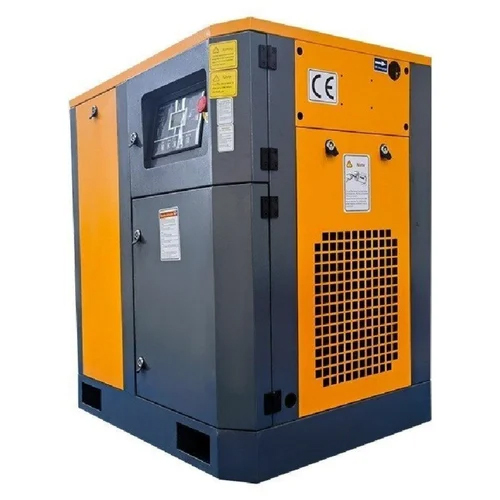
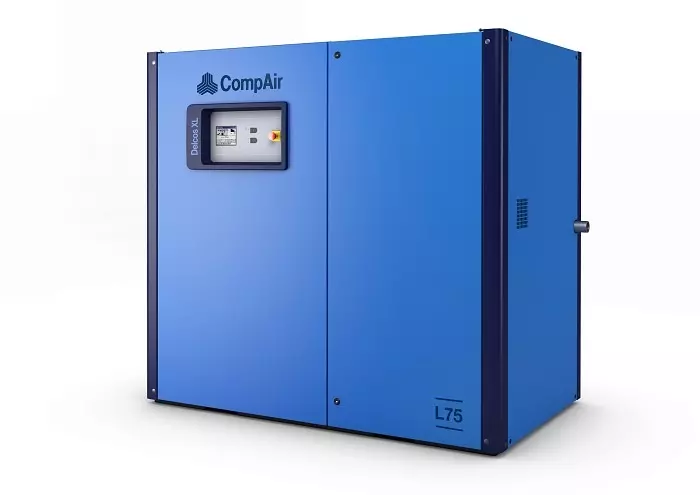
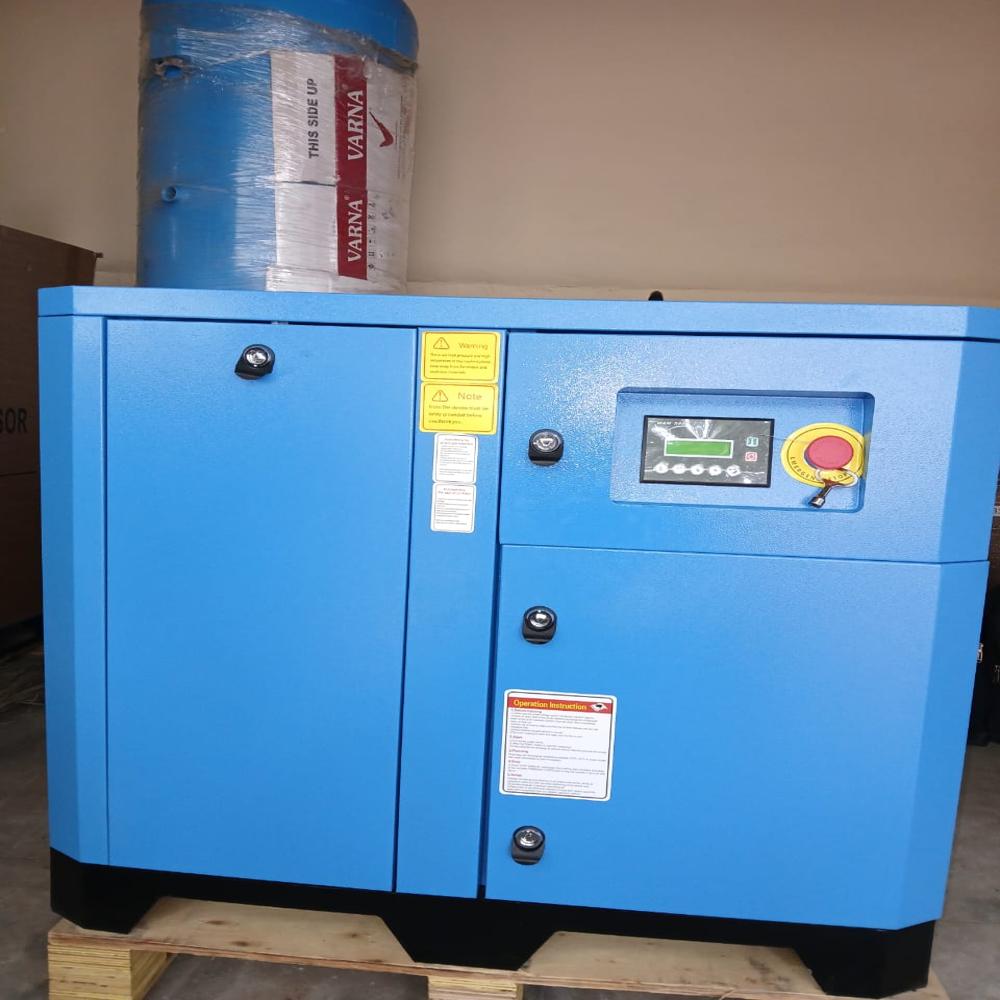
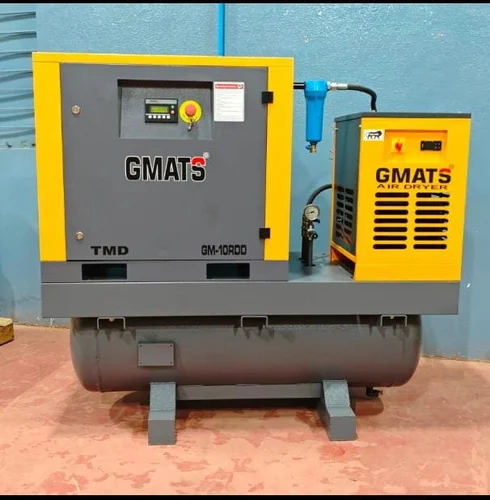
Rotary Screw Air Compressor (Fixed Speed) — an industrial-grade positive-displacement compressor engineered to deliver continuous, high-volume compressed air for heavy-duty manufacturing, processing plants, and utility operations. Designed for fixed-speed operation, it provides predictable performance and maximum uptime for processes that demand stable pressure and long run-hours. The key value proposition is reliable, energy-efficient compressed air delivery with low maintenance intensity and robust serviceability, making it strategically important for facilities seeking to reduce unplanned downtime and total cost of ownership. Confident, durable, and optimized for enterprise-scale air systems, this compressor supports critical production, pneumatic tools, and process control applications across global industrial markets.
-
Key Specifications & Technical Characteristics
-
Compressor type: Rotary screw, single-stage (fixed-speed) with oil-injected or oil-free variants available.
-
Drive: Electric motor direct-coupled to screw element; serviceable coupling or gearbox options.
-
Motor ratings: Standard IEC frame sizes, available from 15 kW to 500 kW (custom ratings on request).
-
Nominal pressure range: 7 bar to 13 bar (100–190 psi) standard; custom higher-pressure configurations available.
-
Free Air Delivery (FAD): Range dependent on model, typically 1.0 to 60+ m3/min (consult model table for exact values).
-
Material/major components: Precision-machined male and female helical rotors (high-grade alloy steel), cast iron or aluminum compressor housing, high-efficiency IE3/IE4 electric motor, oil separator, aftercooler, integrated air/oil heat exchanger.
-
Lubrication: ISO-compliant compressor oil (mineral or synthetic options); oil-free variant uses dry-running rotors and food/medical-grade materials where required.
-
Filtration: Multi-stage inlet and oil filtration; integrated coalescing filters and particulate elements available.
-
Control: Integrated fixed-speed controller with basic protection (pressure switch, thermal protection); optional remote monitoring and PLC interface.
-
Noise level: Model dependent; typically 72–85 dB(A) at 1 m for enclosed canopy versions.
-
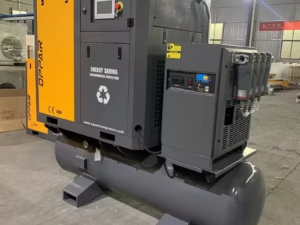
Physical characteristics: Stationary skid or packaged canopy unit; footprint varies by capacity, typical packaged unit depth/width/height dimensions quoted per model; weight range 500 kg to 12,000 kg depending on power/capacity.
-
Operating conditions: Designed for ambient temperatures -20°C to +45°C; optional cold-climate or tropicalization kits.
-
Packaging options: Factory-packed on steel pallet/skid for bulk shipments; container-ready packaging with corrosion protection and desiccant; onsite crating for project cargo.
-
Shelf life / storage: Not applicable to mechanical equipment; recommended dry storage in covered facility, periodic preservation checks for long-term storage (>6 months).
-
Compliance & certifications: Designed to meet CE, ISO 1217 (performance), ISO 9001 manufacturing traceability; local certifications available on request.
-
Core Industrial Applications
-
Manufacturing and assembly plants: Provides continuous compressed air for pneumatic tools, conveyors, robotics, and actuators. Fixed-speed models suit steady-demand lines where stable pressure and predictability are paramount.
-
Petrochemical and process industries: Drives instrumentation, valve actuators, and purge systems; rugged construction resists harsh industrial environments.
-
Food & beverage (with oil-free option): Supports packaging lines, product handling, and cleaning operations where air quality matters.
-
Mining and construction: Powers heavy pneumatic equipment and support services on-site; robust cooling and filtration reduce downtime in dusty environments.
-
Automotive and heavy equipment OEMs: Central compressed air for paint shops, presses, and assembly; fixed-speed selection simplifies maintenance planning.
-
Utilities and power generation: Instrument air and turbine support systems requiring dependable pressure and redundancy.
Why this product performs better than alternatives: Rotary screw fixed-speed compressors deliver superior volumetric efficiency and continuous-duty capability compared with reciprocating compressors for sustained loads. Compared with variable-speed units, fixed-speed machines offer lower initial capital cost and simpler controls for installations with predictable demand profiles. The result is a lower lifecycle maintenance burden, proven reliability in harsh conditions, and competitive upfront economics for steady-load applications.
-
Competitive Advantages
-
Quality consistency: Precision rotor machining and controlled assembly ensure repeatable FAD and pressure performance across production runs.
-
Supply reliability: Configurable production and regional stocking options reduce lead times for common models; spare parts readily available through global distribution channels.
-
Logistics capability: Packaged units designed for container or break-bulk shipment; project logistics support available for oversized or offsite deliveries.
-
Price competitiveness: Lower capital cost versus VSD systems for steady-demand sites, with predictable operating expenses and straightforward maintenance schedules.
-
Sustainability benefits: High-efficiency motor options (IE3/IE4) and optimized heat recovery possibilities (air/oil heat reclaim) improve overall plant energy use and reduce carbon intensity.
-
Technical support & documentation: Comprehensive OEM datasheets, installation manuals, commissioning checklists, and spare-parts BOMs; optional factory commissioning, preventative maintenance contracts, and remote monitoring packages.
-
Commercial & Supply Information
-
Minimum order quantity (MOQ): BULK 20MT.
-
Loading capacity (MT per container): Loading capacity depends on selected model and packaging; typical 20-foot container load for packaged medium-capacity units ranges 6–10 MT, 40-foot container up to 18–22 MT for compact skids. For project-size shipments (20 MT MOQ), we recommend discussing exact model mix to optimize containerization and transport economics.
Reviews
There are no reviews yet.