
Description
-
Product Overview
Rennet Enzyme (Chymosin) is a highly purified proteolytic enzyme preparation containing chymosin, formulated for industrial-scale cheese production and dairy protein processing. Its primary use is controlled milk coagulation to form curd in a wide range of cheese varieties, delivering consistent curd setting, improved yield, and predictable texture development. The key value proposition is reproducible coagulation performance that increases cheese yield and process throughput while reducing variability and rework. Strategically, this product enables large-scale dairy processors and contract manufacturers to standardize quality across plants and geographies, lower cost-per-kg of finished cheese, and accelerate time-to-market for new cheese SKUs.
-
Key Specifications & Technical Characteristics
-
Active component: Chymosin (rennet enzyme) derived via microbial fermentation (genetically selected production strain).
-
Chemical composition: Predominantly chymosin with controlled ancillary proteases and inactive carriers (specified on certificate of analysis).
-
Activity unit: Specified IMCU (International Milk-Clotting Units) per gram; lot-specific activity declared on CoA.
-
Purity/grade: Food / industrial-grade enzyme, GMP-compatible; residual host contaminants below regulatory thresholds; CoA provided.
-
Physical form: Stabilized liquid concentrate or standardized powder (specify chosen SKU).
-
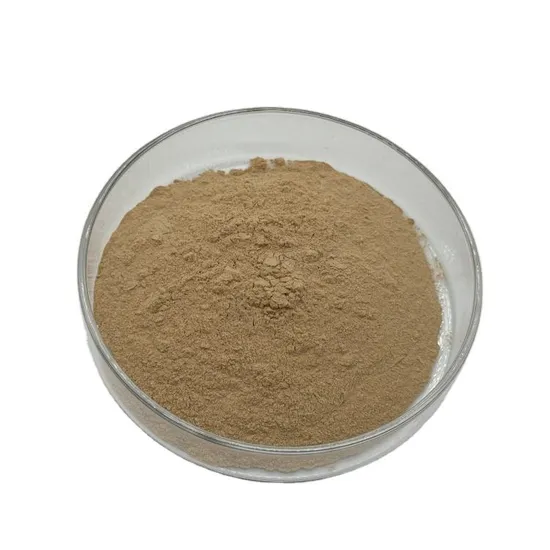
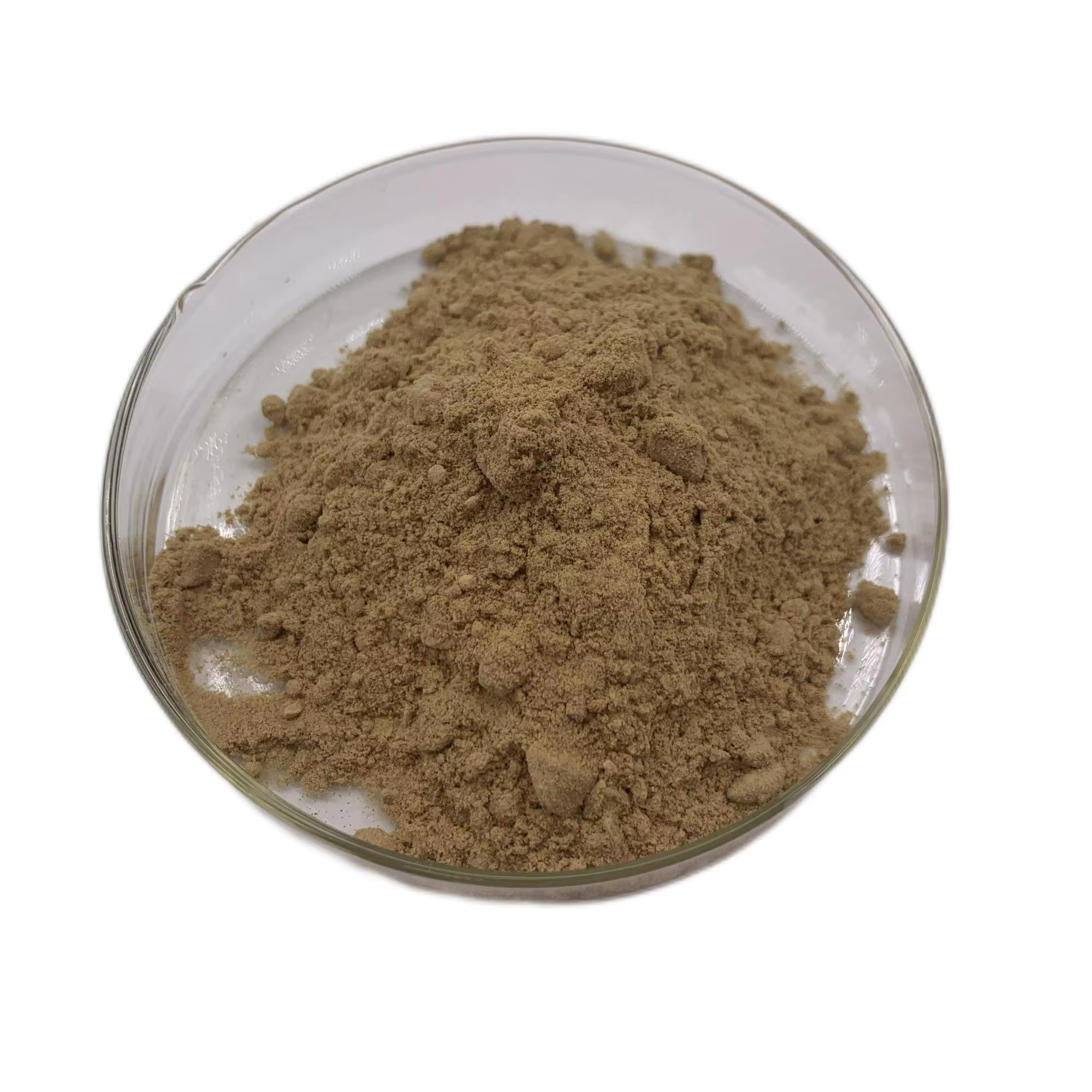
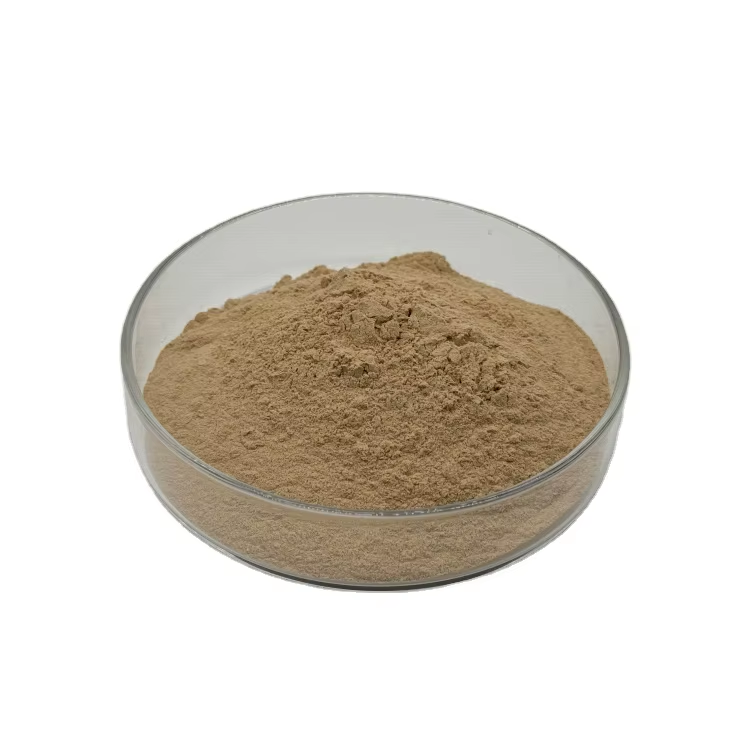
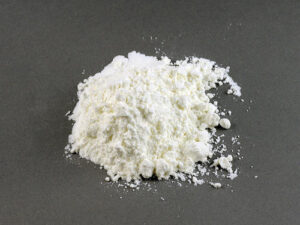
Appearance: Liquid — pale amber to straw; Powder — off-white to beige fine powder.
-
Typical solids (liquid): 10–20% w/w (formulation dependent).
-
Particle size (powder): D90 ≤ 150 µm (typical — confirm per lot).
-
Density (bulk, powder): ~0.45–0.65 g/mL (depends on formulation).
-
pH (liquid): typically 4.0–5.5 (buffered for stability).
-
Storage temp: 2–8 °C for refrigerated liquid; ambient (cool, dry) for powder.
-
Shelf life: Liquid refrigerated 12 months from manufacture; powder 24 months when stored per guidelines.
-
Packaging options:
-
Bulk drums: 200 L (liquid) with UN-compliant liners.
-
IBC: 1,000 L (liquid) for high-throughput plants.
-
Supersacks / kraft-lined bags: 25 kg and 50 kg (powder).
-
Custom bulk packaging available on contract (e.g., flexitanks, ISO tank).
-
-
Documentation provided: Certificate of Analysis, Safety Data Sheet (SDS), Specification Sheet, origin and production statement, shelf-life stability data on request.
-
Core Industrial Applications
-
Primary industries: Industrial cheese manufacturers, dairy ingredient processors, nutritional ingredients producers, contract manufacturing organizations (CMOs) serving retail and foodservice brands.
-
Operational use cases:
-
Mass cheese manufacture (Cheddar, Mozzarella, Gouda, Emmental) where consistent rennet activity controls curd firmness and moisture retention.
-
High-yield coagulation processes to maximize milk-to-cheese conversion ratio and reduce whey losses.
-
Standardized plant operations across multiple sites to ensure SKU parity and reduce QC deviations.
-
Specialty processes: reduced-temperature coagulation, high-acid formulations, and tailored enzymatic profiles for texture innovation.
-
-
Why it outperforms alternatives: Microbially produced chymosin delivers higher specificity for kappa-casein cleavage than generic animal rennets, producing cleaner curd formation, lower bitter peptide formation, and more predictable ripening. Compared with non-specific proteases, it minimizes overproteolysis, improving yield and shelf-life. Powder SKUs offer logistical advantages over refrigerated liquids for distant markets.
-
Competitive Advantages
-
Quality consistency: Batch-to-batch controlled enzyme activity with full CoA and traceable manufacturing records.
-
Supply reliability: Production sourced from multiple validated fermentation sites, capacity-scaled for continuous supply and contingency stock.
-
Logistics capability: Flexible packaging and bulk options, support for refrigerated chain management, and export documentation for global distribution.
-
Price competitiveness: Economies of scale for bulk orders (20 MT and up) with negotiated pricing tiers, lowering landed cost per IMCU compared with small-batch suppliers.
-
Sustainability: Microbial production reduces dependence on animal-derived rennet; optimized formulations reduce required dosing (lower resource intensity per kg cheese).
-
Technical support: Onboarding protocols, dose optimization guidance, application notes for different cheese types, and troubleshooting from enzyme specialists. Full regulatory support documentation for food-grade use in target markets.
-
Commercial & Supply Information
-
Minimum order quantity (MOQ): BULK 20MT.
-
Loading capacity (MT per container): Typical loadings:
-
20-foot container (standard DRY): up to 20 MT powder (25–50 kg bags) depending on palletization.
-
20-foot refrigerated / flexitank: up to 14–18 MT liquid (density and packaging dependent).
-
40-foot HQ / bulk: up to 24–26 MT powder; up to 24 MT liquid with appropriate tanks.
-
-
Lead times: Production lead time and allocation confirmed at order; priority allocations for contract customers.
-
Commercial terms: Incoterms, pricing tiers, and long-term supply agreements available upon inquiry.
Reviews
There are no reviews yet.