
Description
-
Product Overview
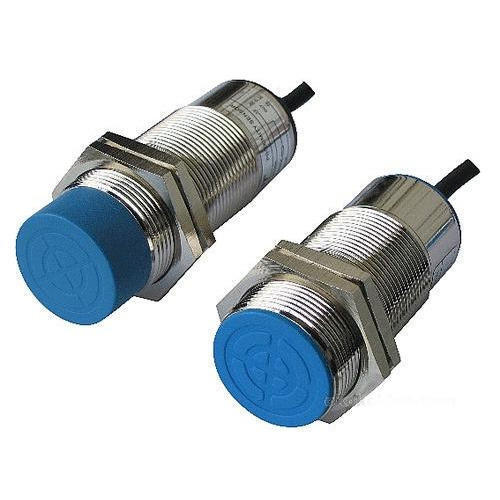
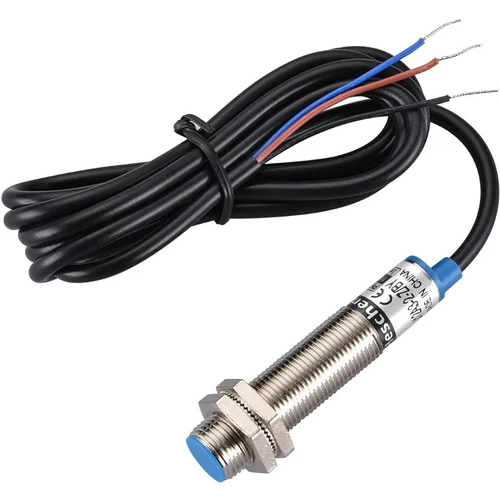
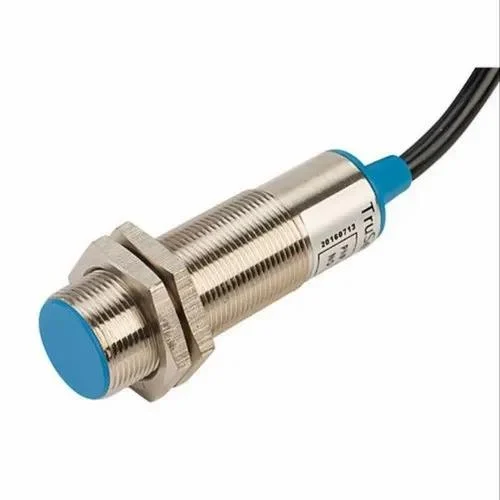
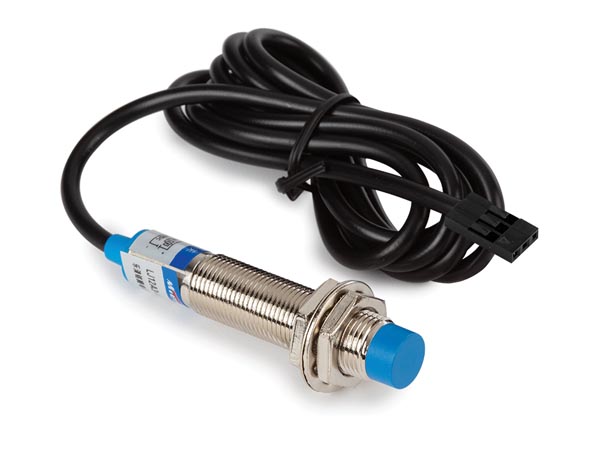
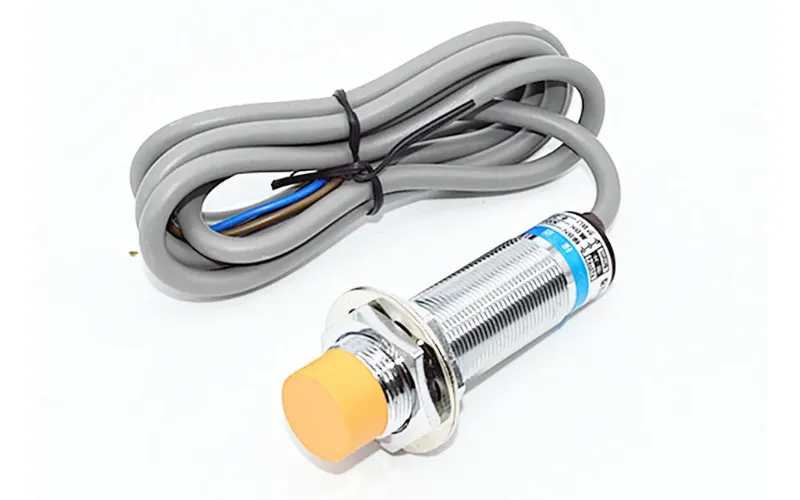
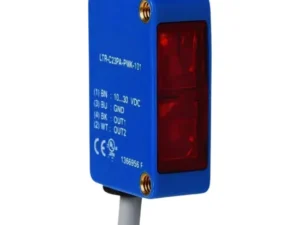
The Proximity Sensor — Inductive Type is an industrial-grade non-contact position sensor that detects the presence or movement of metallic targets using a high-frequency electromagnetic field. It is primarily used for object detection, position sensing, and automation feedback in heavy-duty manufacturing, material handling, and process-control environments. The key value proposition is reliable, maintenance‑free detection with fast switching, high immunity to dirt and vibration, and long operational life—delivering consistent uptime for automated systems. Strategically, it reduces production interruptions, lowers total cost of ownership versus mechanical switches, and enables higher throughput and safer, more predictable control in modern smart-factory deployments.
-
Key Specifications & Technical Characteristics
-
Sensor type: Inductive proximity sensor (PNP/NPN options available), normally closed/normally open configurable.
-
Sensing target: Ferrous and non-ferrous metallic targets (optimal performance on ferrous metals).
-
Sensing distance (nominal): Typical ranges 1–30 mm depending on model; extended-range models up to 50 mm.
-
Housing material: Stainless steel (AISI 316) or nickel‑plated brass options for corrosion resistance.
-
Face material: PBT or reinforced polymer for impact resistance.
-
Cable/connector: PVC-shielded cable length options (2 m, 5 m, 10 m) or M12 quick-connect.
-
Electrical ratings: Supply voltage 10–30 V DC (industrial standard), current consumption <10 mA idle, switching current up to 200–400 mA (model dependent).
-
Switching frequency: Up to 1–3 kHz (fast-switching variants available).
-
Protection class: IP67 (standard), IP69K available for washdown applications.
-
Shock & vibration: Rated to industrial levels (e.g., 50 g shock, 5 g vibration) for reliable field use.
-
Operating temperature: -25°C to +85°C (extended temperature options on request).
-
EMC/Certifications: CE, RoHS, UL options; EMI/ESD hardened designs available.
-
Indicators: Integrated LED for state/status; diagnostic variants with multifunction outputs.
-
Response time: Typical <1 ms for high-speed models.
-
Packaging options: Individual carton, bulk carton (10–50 units per box), palletized wooden crate for export.
-
Shelf life: Not applicable to electronics in normal storage; recommended storage conditions 0–40°C, <85% RH for optimal longevity.
-
Serialization & traceability: Option for serial number engraving and batch traceability documentation (material certificates available on request).
-
Core Industrial Applications
-
Primary industries: Automotive manufacturing, robotics and assembly lines, packaging, material handling and logistics, food & beverage (with IP69K washdown models), steel production, heavy machinery, and process automation.
-
Specific use cases:
-
Conveyor object detection and counting.
-
End‑of‑travel and position detection on pneumatic or hydraulic actuators.
-
Tool presence sensing in CNC and robotic cells.
-
Safety interlocks and door/guard monitoring when combined with safety controllers.
-
Metal detection in packaging lines to trigger downstream actions.
-
-
Why it outperforms alternatives:
-
No mechanical wear: non-contact detection eliminates bounce and mechanical failure modes inherent to microswitches.
-
High immunity to dust, oil, and vibration provides uptime advantages over optical or mechanical sensors in harsh environments.
-
Faster switching and higher switching frequency deliver better performance in high-speed lines than many capacitive or photoelectric sensors.
-
Robust IP-rated housings and stainless‑steel options extend lifetime in corrosive or washdown environments, improving lifecycle cost versus lower-grade sensors.
-
-
Competitive Advantages
-
Quality consistency: Manufactured to ISO-controlled processes with batch testing and optional factory acceptance tests to ensure repeatable sensing performance.
-
Supply reliability: Forecast-driven production schedules with safety stock, multi‑regional distribution centers, and contract manufacturing partners to reduce lead times and mitigate single-source risk.
-
Logistics capability: Export-ready packaging, palletization, and freight consolidation with experience handling containerized shipments and expedited air freight for critical orders.
-
Price competitiveness: Tiered pricing for volume purchases, contract pricing for recurring B2B procurement, and total-cost-of-ownership analysis demonstrating rapid payback versus mechanical alternatives.
-
Sustainability: RoHS-compliant components, reduced material waste through long sensor life, and recyclable packaging options to support corporate sustainability goals.
-
Technical support & documentation: Comprehensive datasheets, wiring diagrams, application notes, installation guides, calibration/adjustment procedures, and responsive technical support (email & phone) plus optional on-site commissioning assistance and customized sensor tuning.
-
Commercial & Supply Information
-
Minimum order quantity (MOQ): BULK 20 MT (equivalent unit count depends on sensor model and packaging density; typical bulk pallet quantities provided on request).
-
Loading capacity (MT per container): Standard 20-foot container loading capacity approximately 20 MT; 40-foot container loading capacity approximately 26–27 MT. Exact loading depends on chosen packaging configuration and sensor unit dimensions; logistics team will provide container load plans per order.
-
Lead times: Standard lead time 4–8 weeks for bulk orders; expedited production and air shipment available subject to surcharge.
-
Warranty: Standard 12-month limited warranty; extended warranty and service contracts available for enterprise customers.
-
Documentation supplied: Commercial invoice, packing list, certificates of conformity (CE/RoHS), optional material/inspection certificates, and traceability reports.
Reviews
There are no reviews yet.