
Description
1. Product Overview
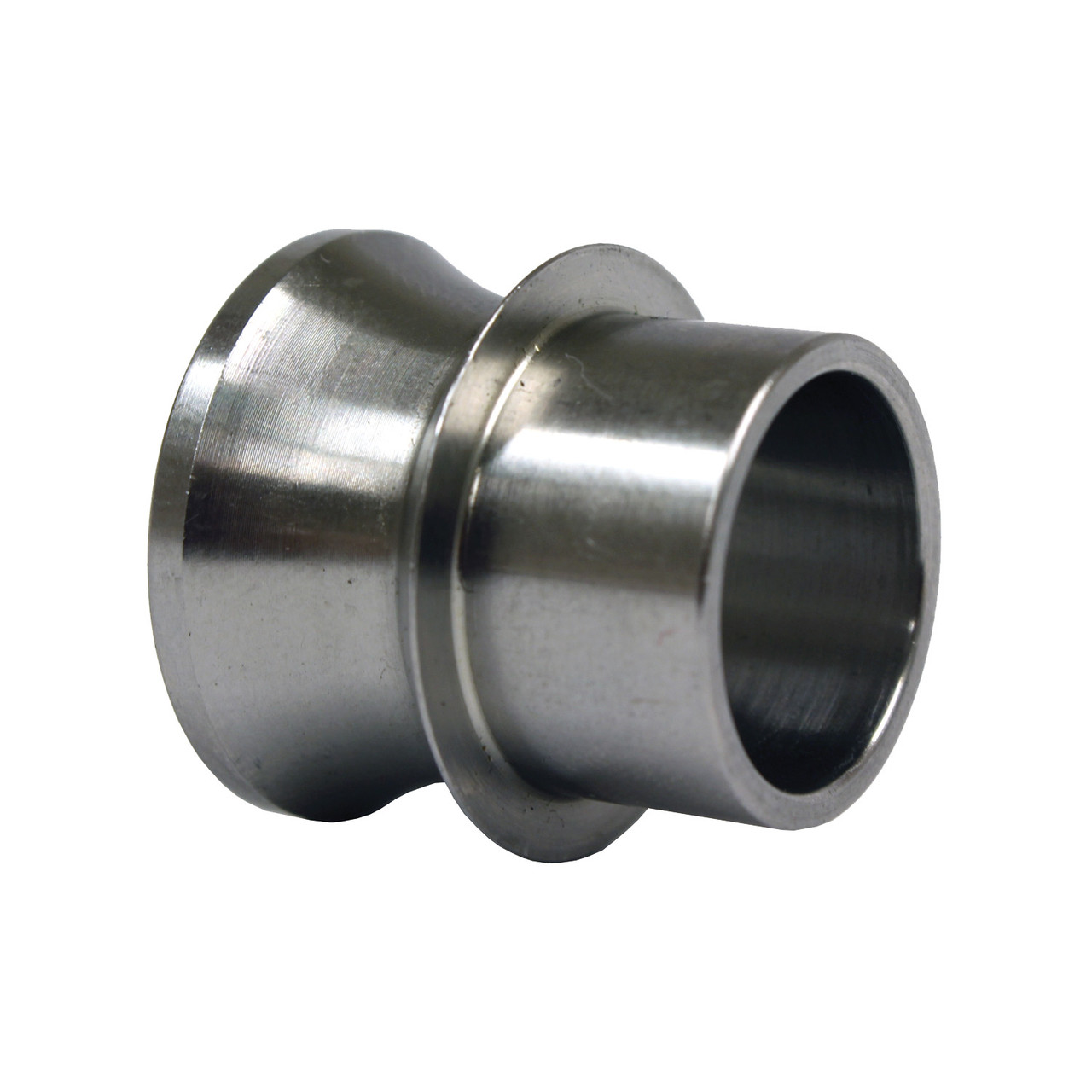
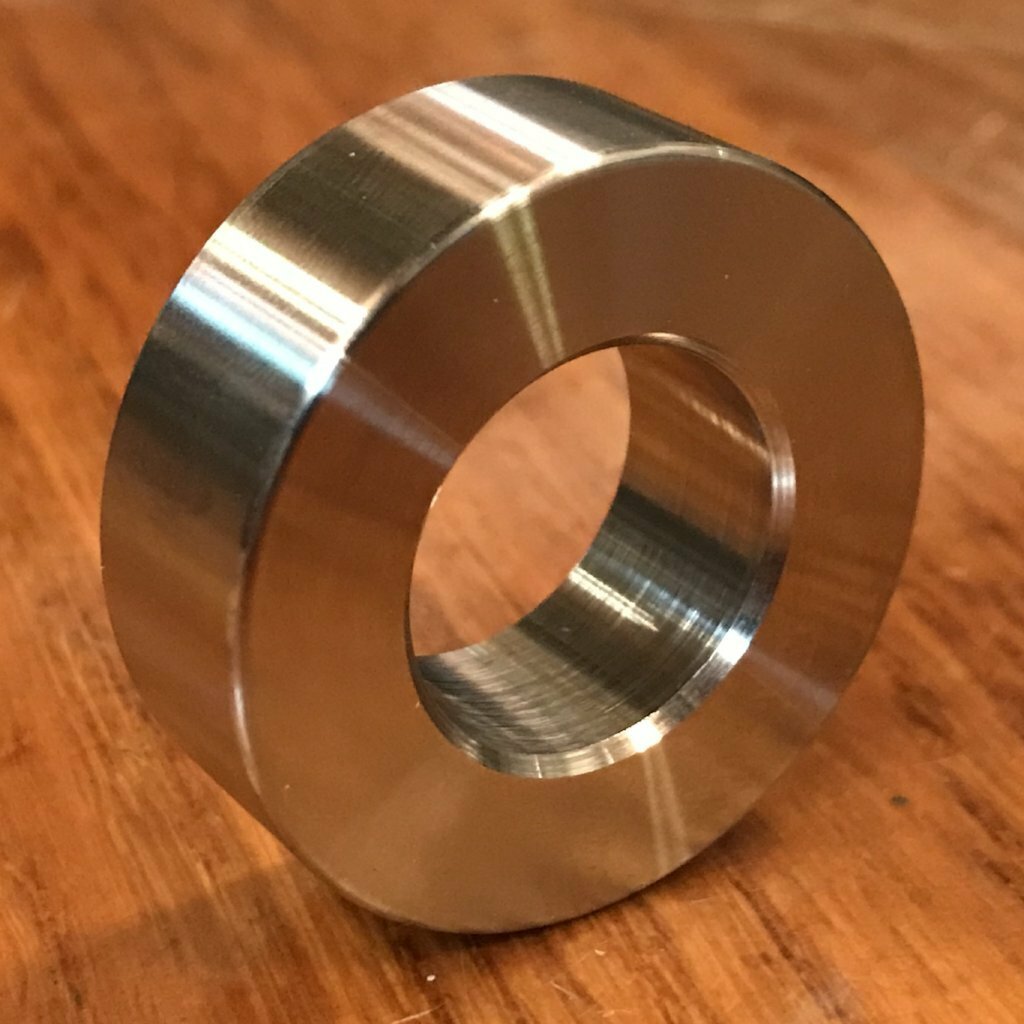
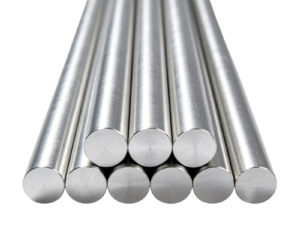
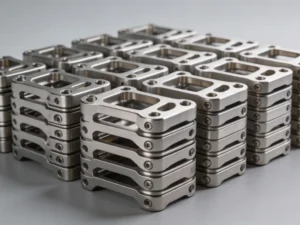
Precision Stainless Steel Spacer is a high-tolerance machined component engineered for critical alignment, load distribution, and gap control in demanding mechanical assemblies. Its primary industrial use spans automotive systems, aerospace structures, heavy machinery, electronics, and energy infrastructure where dimensional stability under stress is non-negotiable. The key value proposition lies in its superior corrosion resistance, micron-level dimensional accuracy, and repeatable performance that reduces assembly failure rates and maintenance downtime. It is strategically important in the market because it directly enables longer equipment lifecycles, tighter tolerances in automated production, and compliance with ISO/ASTM standards for safety-critical applications.
2. Key Specifications & Technical Characteristics
- Chemical Composition / Material Components: AISI 304, 316, 316L, 410, or 17-4PH stainless steel; optional passivation per ASTM A967
- Purity Level or Grade: Commercial grade with certified mill test reports; Ra surface finish 0.4–1.6 μm; hardness HRC 20–40 depending on alloy
- Physical Characteristics:
- Form: Cylindrical, square, hexagonal, custom profiles; ID 2mm–150mm, OD 4mm–200mm, thickness 0.5mm–100mm; tolerance ±0.01mm to ±0.005mm
- Color: Natural metallic silver; optional electro-polished or PVD coated finish
- Density: 7.75–8.00 g/cm³ based on alloy selection
- Particle Size: Not applicable — solid machined component
- Packaging Options: Vacuum-sealed PE bags with desiccant, compartmentalized plastic trays, ESD-safe packaging for electronics grade, wooden crates for bulk; custom barcoding available
- Shelf Life: Indefinite under dry, non-corrosive storage; no degradation in mechanical properties
3. Core Industrial Applications
- Primary Industries: Automotive & EV drivetrains, aerospace & defense, industrial automation, renewable energy, medical devices, semiconductor equipment, oil & gas, marine engineering
- Specific Operational Use Cases: Precision alignment of bearings and shafts, thermal expansion gap management in turbine assemblies, electrical insulation spacing in PCB stacks, load-bearing standoffs in chassis systems, vibration dampening interfaces in robotics
- Performance vs Alternatives: Outperforms carbon steel spacers in corrosive/washdown environments; exceeds plastic or aluminum spacers in compressive strength, creep resistance, and temperature range -60°C to 870°C; maintains tolerance where stamped parts deform
- Efficiency, Durability, or Cost Advantages: Reduces rework from tolerance stack-up by up to 40%; lifecycle 3x longer than plated mild steel in saline/chemical exposure; enables lean assembly with pre-qualified dimensional consistency, lowering total cost of ownership
4. Competitive Advantages
- Quality Consistency: 100% dimensional inspection via CMM + SPC process control; Cpk ≥1.67 guaranteed; full material traceability to heat/lot number
- Supply Reliability: 15,000 MT annual machining capacity across ISO 9001:2015, IATF 16949, and AS9100D certified facilities; 98.6% on-time delivery rate
- Logistics Capability: Global fulfillment from bonded warehouses in US, EU, SG; DDP/DDU terms; VMI and Kanban programs available
- Price Competitiveness: Tiered volume pricing with LTA options; tooling amortization for custom runs; 12–18% TCO savings vs in-house machining
- Sustainability or Environmental Benefits: 70%+ recycled stainless content; RoHS/REACH compliant; ISO 14001 manufacturing; scrap buyback program
- Technical Support or Documentation Availability: Full PPAP Level 3, IMDS, 3.1/3.2 MTC, FDA/USP Class VI docs on request; application engineering support for tolerance optimization
5. Commercial & Supply Information
- Minimum Order Quantity (MOQ) BULK: 20MT
- Loading Capacity: 24–26 MT per 20ft container depending on alloy and packaging
Reviews
There are no reviews yet.