
Description
1. Product Overview
Praseodymium Oxide Residue is a high-value rare earth intermediate derived from the refining of light rare earth concentrates, consisting primarily of praseodymium oxide (Pr₆O₁₁) with controlled impurity profiles. Its primary industrial use is as a cost-effective feedstock for NdPr alloy, ceramic pigments, specialty glass, and functional additives in advanced materials. The key value proposition lies in delivering consistent rare earth chemistry at a competitive price point for manufacturers requiring praseodymium content without full high-purity separation costs. It is strategically important because praseodymium is a critical input for NdFeB permanent magnets, yellow ceramic pigments, and optical glass, with global supply chains heavily concentrated and separation capacity as the main bottleneck.
2. Key Specifications & Technical Characteristics
- Chemical Composition / Material Components: Praseodymium oxide (Pr₆O₁₁), CAS: 12037-29-5, with minor rare earth oxides (La₂O₃, Nd₂O₃, CeO₂) and controlled non-REE impurities.
- Purity Level / Grade: Typical TREO ≥ 97.0%; Pr₆O₁₁/TREO ≥ 90.0%. Custom grades available from 95.0% to 99.9% upon request.
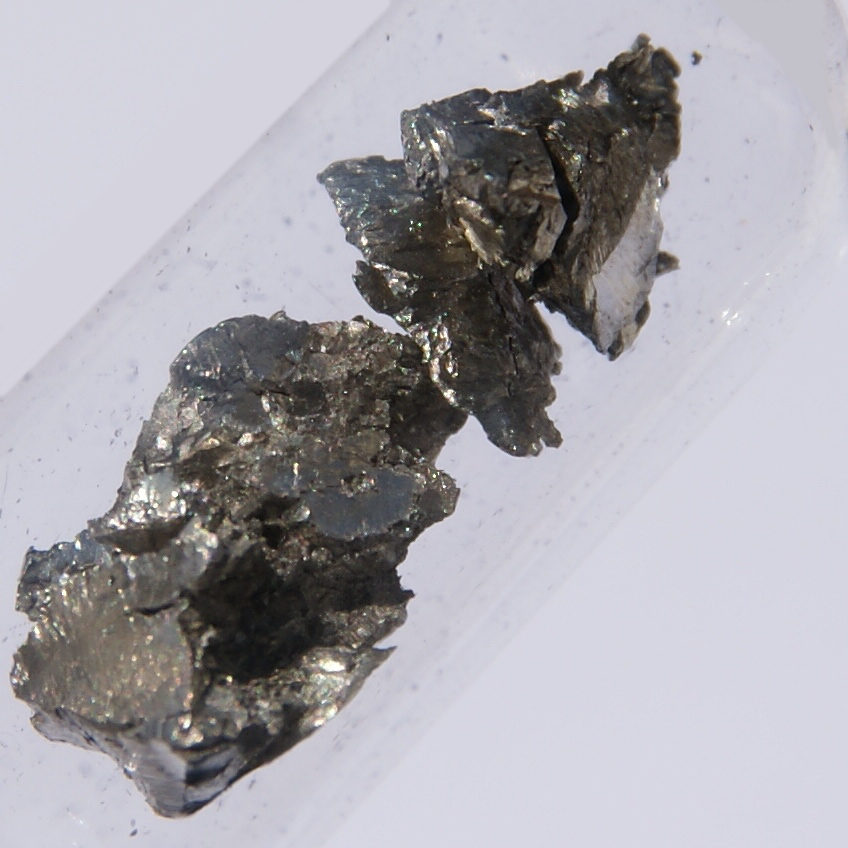
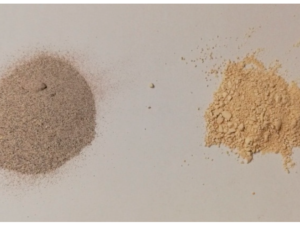
- Physical Characteristics: Dark green to black powder. Particle size D50: 2–15 μm, customizable. Bulk density: 1.2–1.8 g/cm³. Melting point: 2500°C. Insoluble in water.
- Packaging Options: 25 kg woven PP bags with PE liner, 500 kg / 1000 kg jumbo bags on pallets, or 200 kg steel drums. Vacuum sealed options for moisture-sensitive applications.
- Shelf Life: 24 months when stored in sealed, dry conditions away from direct sunlight and acids.
3. Core Industrial Applications
- Primary Industries: Permanent magnet alloys, technical ceramics, specialty glass, aerospace components, and electrochemical materials.
- Specific Operational Use Cases: Feedstock for NdPr metal used in sintered NdFeB magnets; yellow pigment for zirconia ceramics and tiles; dopant for optical glass filters and welding goggles; alloying additive for high-strength aerospace alloys; precursor for catalysts and solid-oxide fuel cell materials.
- Why It Performs Better Than Alternatives: Offers a balanced Pr content at lower cost than separated 99.9% Pr₆O₁₁ while maintaining batch-to-batch consistency required for alloy and pigment performance. Reduces reliance on full SX separation streams, easing basket economics for buyers.
- Efficiency, Durability, or Cost Advantages: High thermal stability and chemical resistance improve process yields in ceramic firing and glass melting. Using residue-grade material lowers raw material cost per unit of Pr without sacrificing downstream magnet or pigment properties when properly qualified.
4. Competitive Advantages
- Quality Consistency: Multi-batch testing with ICP-OES and XRF to ensure stable Pr₆O₁₁ content and impurity limits, supporting customer qualification cycles.
- Supply Reliability: Direct integration with upstream cracking and SX facilities mitigates separation bottlenecks and ensures stable monthly output.
- Logistics Capability: Experienced in IMDG-compliant rare earth shipments with global freight partners; bonded warehouse options in Asia, EU, and US.
- Price Competitiveness: Residue positioning leverages basket economics to deliver 15–30% savings versus high-purity oxide for applications not requiring 99.99% grade. Pricing referenced to Asian Metals/Shanghai Metals Market.
- Sustainability or Environmental Benefits: Utilizes process streams that would otherwise require further separation or storage, improving overall rare earth recovery efficiency and reducing waste.
- Technical Support or Documentation Availability: Full COA, MSDS, REACH/ROHS compliance docs, and traceability to mineralogy and cracking route provided. Application engineers available for magnet, ceramic, and glass formulation support.
5. Commercial & Supply Information
- Minimum Order Quantity (MOQ): BULK 20MT
- Loading Capacity (MT per container): 20MT per 20′ FCL
Reviews
There are no reviews yet.