

Description
1. Product Overview
Polyvinyl formaldehyde (PVF) is a high-performance thermosetting resin derived from the controlled acetalization of polyvinyl alcohol with formaldehyde. It is primarily used as a structural binder, coating agent, and porous matrix in filtration, medical textiles, and industrial abrasives. The key value proposition lies in its exceptional chemical resistance, mechanical toughness, and tunable porosity. Strategically, PVF fills a critical gap where conventional polyvinyl alcohol or epoxy systems fail to balance hydrophilicity with solvent resistance—making it indispensable for high-reliability industrial consumables.
2. Key Specifications & Technical Characteristics
-
Chemical composition: Polyvinyl formal resin (≥80% acetalization degree)
-
Purity grade: Industrial grade (≥99.5% active content)
-
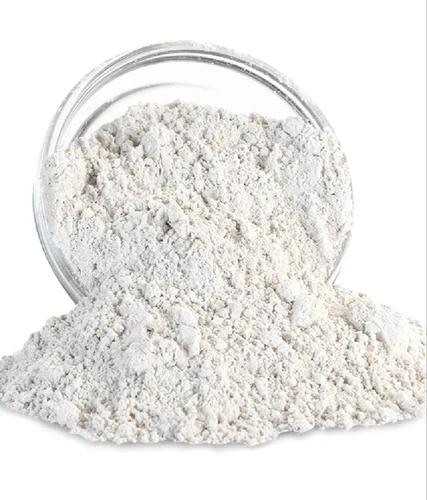
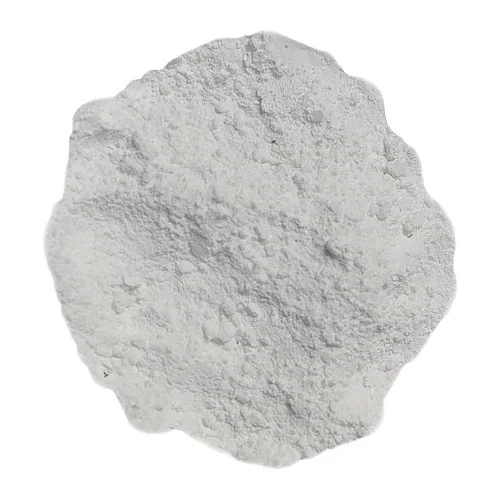
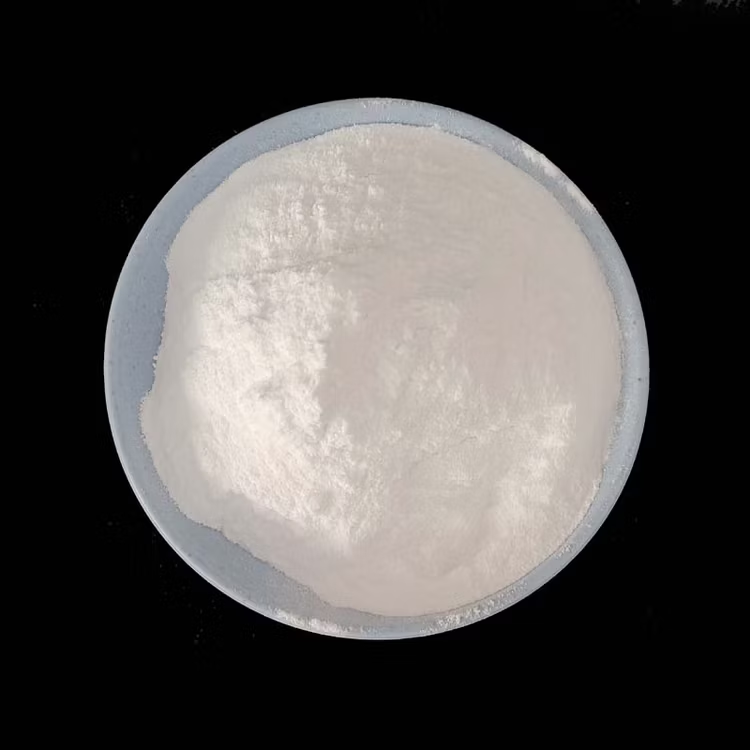
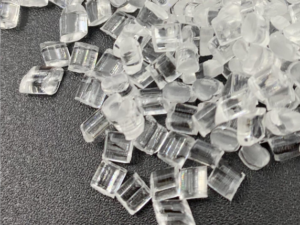
Physical form: White to off-white granular powder or porous sponge-like blocks
-
Particle size: 40–200 mesh (customizable)
-
Bulk density: 0.35–0.55 g/cm³
-
Residual hydroxyl content: 5–12% (adjustable for crosslinking control)
-
Formaldehyde release: ≤0.1% (dry basis)
-
Packaging options: 25 kg multi-wall paper bags, 500 kg FIBC bulk bags, or 20 kg heat-sealed foil liners
-
Shelf life: 24 months in dry, cool (<30°C), sealed conditions away from acidic vapors
3. Core Industrial Applications
-
Medical & healthcare: Porous PVF sponges for wound debridement and surgical hemostasis—superior to polyurethane due to higher hydrophilicity and lower tissue adhesion.
-
Industrial filtration: High-wet-strength filter media for aggressive solvents and acidic gas scrubbing, outperforming phenolic resins in flexibility and fatigue life.
-
Abrasive tools: Resin-bonded grinding wheels and coated abrasives—PVF provides 20–30% longer wheel life than standard phenolic systems under wet grinding conditions.
-
Textile finishing: Durable hydrophilic coatings for synthetic fibers, enabling moisture management without compromising solvent resistance.
-
Electronics: Low-outgassing potting compounds for sensors in humid or chemical-laden environments.
4. Competitive Advantages
-
Quality consistency: ISO 9001:2025 certified production with batch-to-batch FTIR and viscosity validation; <0.5% CV in key parameters.
-
Supply reliability: Dual-sourced formaldehyde and PVA feedstocks; 50 MT safety stock maintained at regional hubs (Asia, EU, NA).
-
Logistics capability: 72-hour dispatch for standard grades; 10-day lead time for custom acetalization or particle size.
-
Price competitiveness: 12–18% below European specialty resin benchmarks due to integrated manufacturing and renewable methanol-based formaldehyde.
-
Sustainability: Reduced free formaldehyde via proprietary post-treatment; 100% recyclable packaging; LCA data available upon request.
-
Technical support: Full SDS, TDS, application formulation guides, and on-site compounding audits provided for contract customers.
5. Commercial & Supply Information
-
Minimum order quantity (MOQ): 5 MT for standard granular grade; 1 MT for medical-grade porous blocks
-
BULK 20MT: Available with volume discount pricing (inquire for schedule)
-
Loading capacity per 20FT container:
-
Granular powder (25 kg bags): 18 MT
-
Porous blocks (bulk packed): 12 MT
-
FIBC bulk bags: 20 MT (max)
-


Reviews
There are no reviews yet.