
Description
1. Product Overview
Polypropylene Random Copolymer (PP-R) is a high-precision thermoplastic polymer produced via a continuous bulk-phase copolymerization process, where ethylene monomers are randomly distributed within the polypropylene molecular chain. It is the material of choice for high-temperature fluid handling systems, particularly pressurized hot and cold water plumbing, as well as clean packaging for medical and pharmaceutical applications. Strategically, PP-R bridges the gap between standard polypropylene’s thermal resistance and the impact performance required for long-service-life infrastructure, making it indispensable for industries prioritizing operational safety and lifecycle cost reduction.
2. Key Specifications & Technical Characteristics
-
Chemical composition: Propylene-ethylene random copolymer (ethylene content typically 1–7 wt%)
-
Purity level / Grade: Injection molding & extrusion grade; complies with ISO 1874-1 and ASTM D4101
-
Melt Flow Rate (MFR): 0.25 – 0.35 g/10min (230°C/2.16kg) for pipe extrusion; up to 2.0 – 12.0 g/10min for molding
-
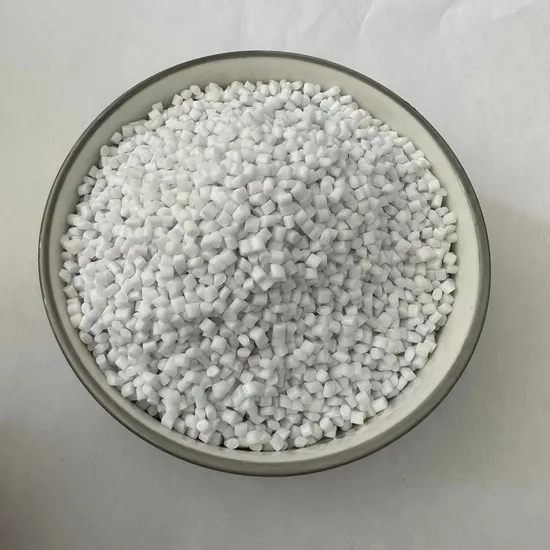
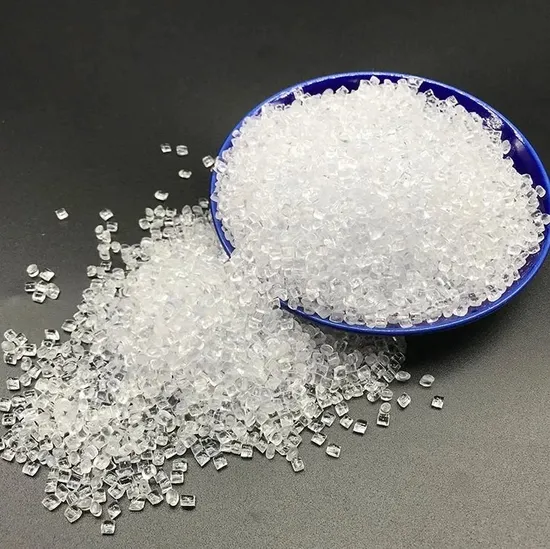
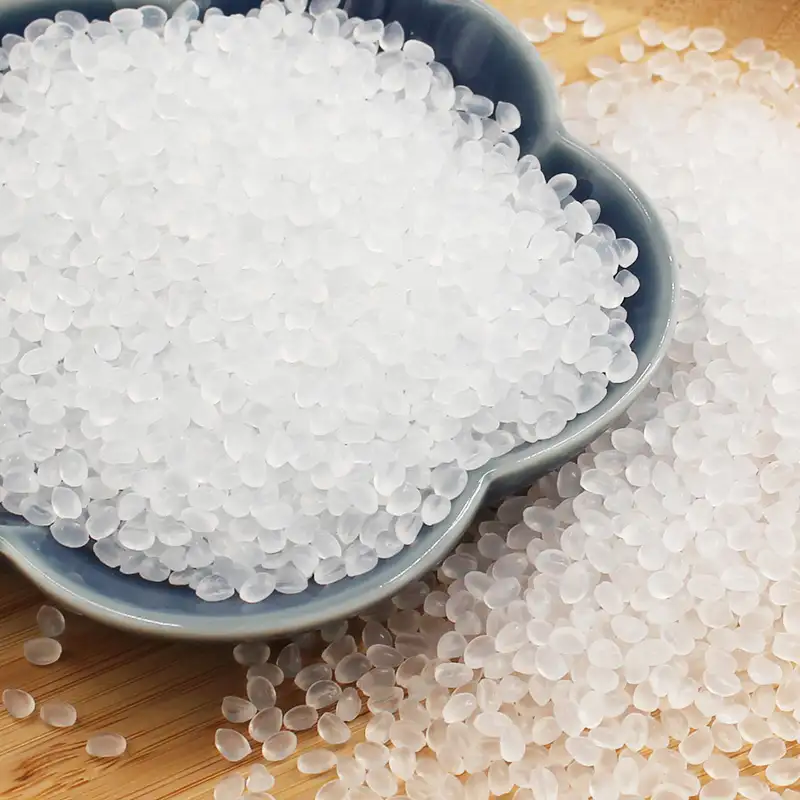
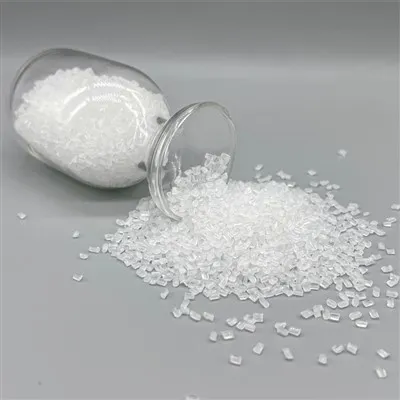
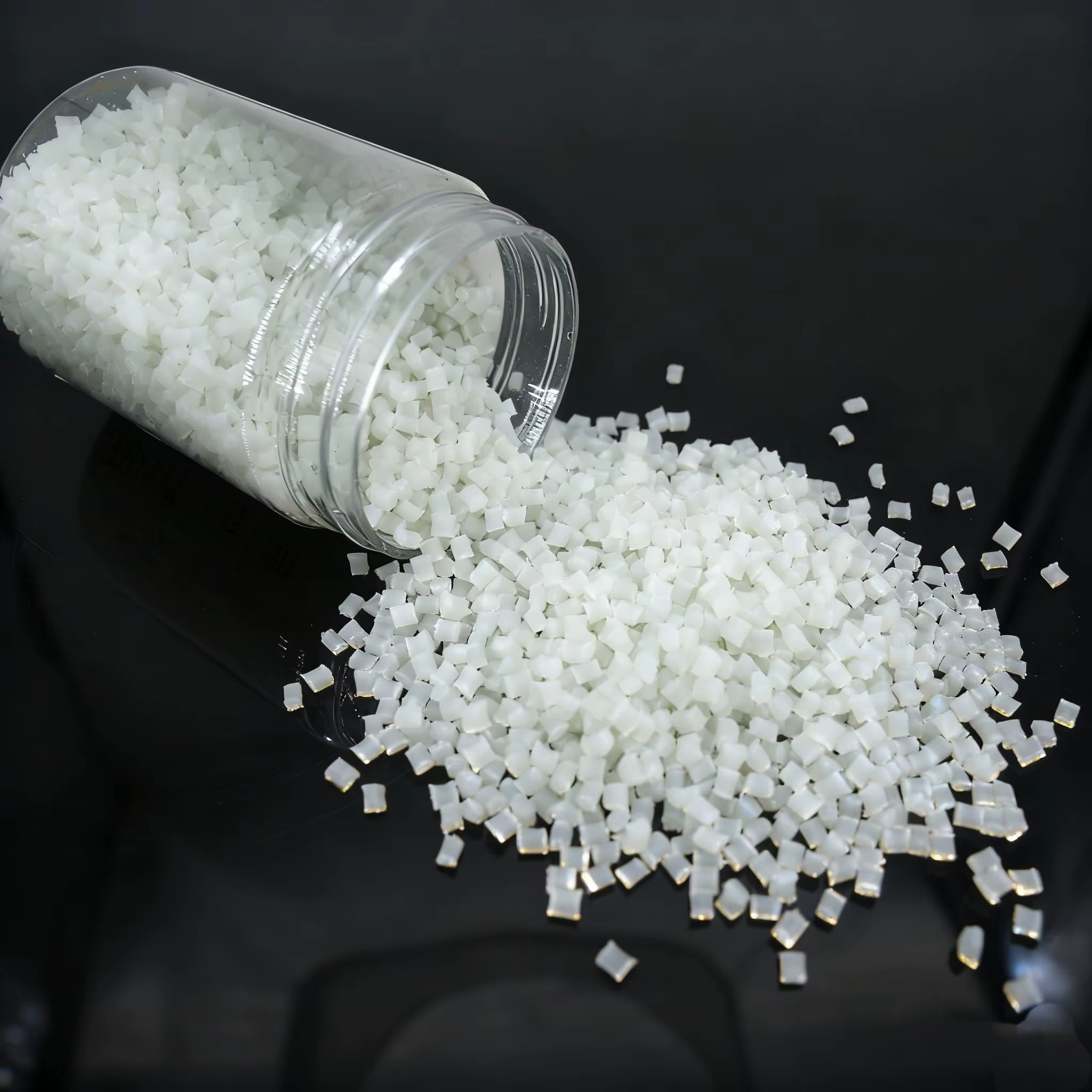
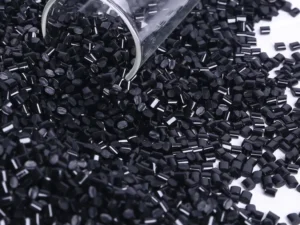
Physical characteristics: White, translucent spherical or cylindrical pellets; bulk density 0.50–0.55 g/cm³; particle size 2–5 mm
-
Melting temperature: 140–150°C
-
Packaging options: 25 kg moisture-barrier bags, 750 kg FIBCs (big bags), or 1,250 kg heat-sealed octabins
-
Shelf life: 24 months when stored below 50°C in dry, UV-shielded conditions
3. Core Industrial Applications
-
Building & construction (hydronic systems): Used to manufacture pressure pipes, fittings, and manifold systems for hot drinking water (up to 80°C continuous) and underfloor heating. PP-R outperforms PEX and PB in creep resistance under sustained pressure, eliminating stress cracking failures common in alternating thermal loads.
-
Medical fluid packaging (IV bags, tubing components): Random copolymer architecture provides exceptional clarity and gamma sterilization stability, with lower leachable profiles than homopolymer or flexible PVC.
-
Food contact films & rigid containers: Offers superior heat-seal initiation temperature (lower than homopolymer), reducing sealing dwell time by 20–30% while maintaining impact resistance at –10°C – a critical advantage for frozen food packaging.
-
Chemical equipment lining: Excellent resistance to dilute acids and alkalis (pH 4–12) at 60°C, replacing more costly PVDF in non-aggressive media handling.
4. Competitive Advantages
-
Quality consistency: Statistical process control (SPC) with Cpk > 1.33 on MFR and ethylene content; each lot validated by FTIR and DSC.
-
Supply reliability: Dual-sourced monomer feedstocks and three dedicated production lines ensure 99.5% on-time-in-full delivery rate, with safety stock held across three regional hubs (Asia, MENA, Europe).
-
Logistics capability: Laser-etched lot tracing on all packaging; moisture proof laminates standard for ocean freight up to 45 days without re-drying.
-
Price competitiveness: Formula-linked quarterly pricing (propylene + ethylene spot + conversion margin) eliminates opaque surcharges; volume incentive tiers from 20MT to 500MT.
-
Sustainability: ISCC PLUS certified mass-balance bio-circular grades available (up to 70% renewable content); fully recyclable under resin identification code 5.
-
Technical support: Full weldability guidelines, pipe extrusion FEA modelling, and regulatory compliance packs (NSF/ANSI 61, WRAS, FDA 21 CFR 177.1520).
5. Commercial & Supply Information
-
Minimum Order Quantity (MOQ): 20 metric tons (one standard bulk container lot)
-
Loading capacity: 20 MT per 20-foot dry container (palletized, 40 bags × 25kg per pallet, 20 pallets total)
or 26 MT per 20-foot container using octabins / FIBCs (non-palletized, max net weight per packaging type)
Reviews
There are no reviews yet.